
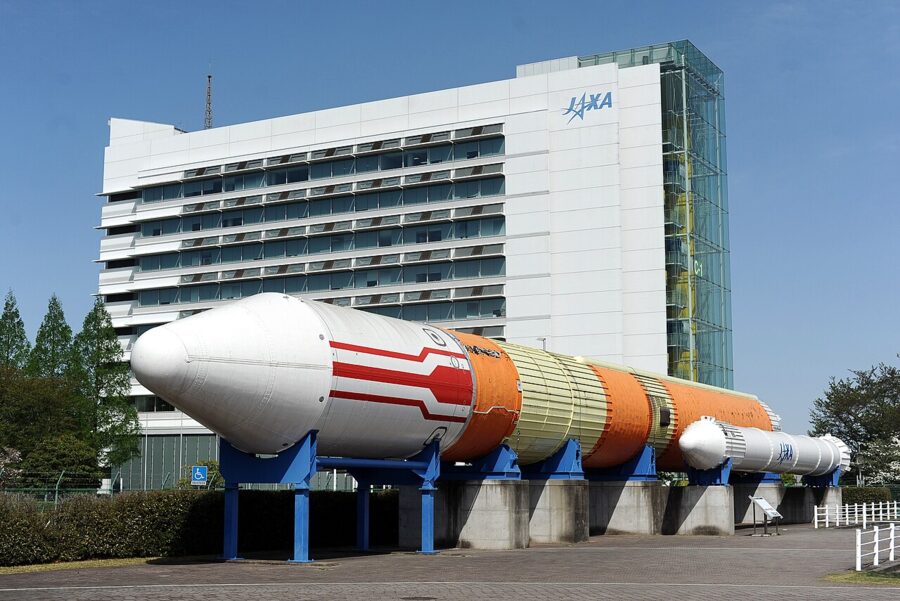

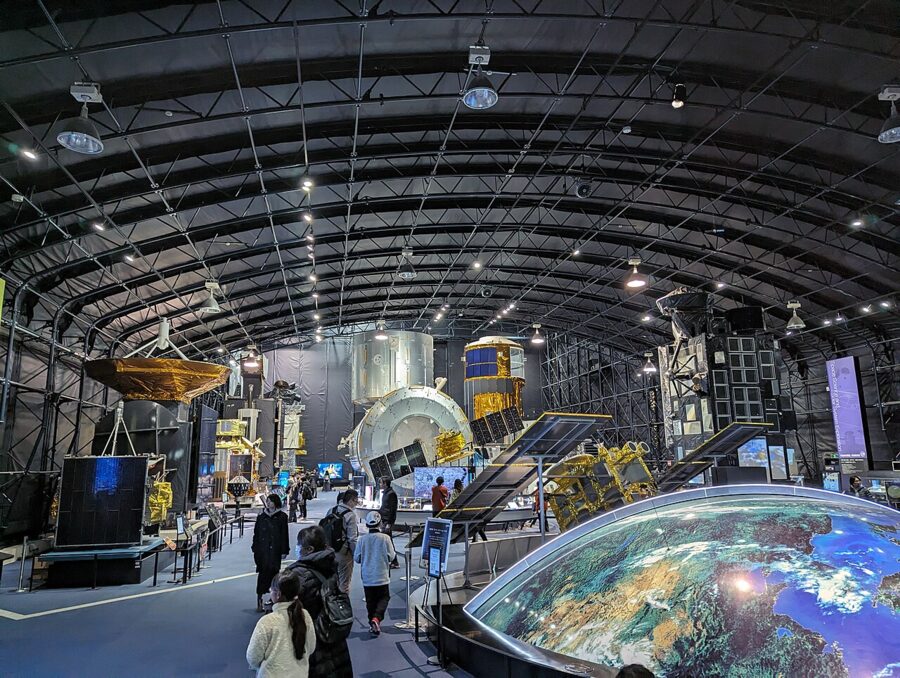
The H-II rocket at Tsukuba Space Center lies on its side just inside the main gate, 50 meters of white and orange on a row of blue cradles, and it costs nothing to walk its full length. Inside the Space Dome exhibition hall nearby is a full-size model of Kibo, Japan’s module on the International Space Station, and a short bus ride across the site is the room where flight controllers run the real one.
Tsukuba is a day trip, though, and the closer options have shifted. Miraikan, Tokyo’s big science museum in Odaiba, is closed for a full refit until April 23, 2027. At the National Museum of Nature and Science in Ueno, the basement floor that holds the universe galleries shut for renovation on September 8, 2026.
So a space day around Tokyo right now runs on planetariums, a VR trip to the Moon at Tokyo Dome City, and the working sites of JAXA and the national observatory, most of which charge little or nothing. Below is what each one shows, what it costs as of November 2026, and which suits children, adults or a wet afternoon.
Contents8 sections
- What is open, and what it costs
- Space Travelium TeNQ at Tokyo Dome City
- The National Museum of Nature and Science, Ueno
- Miraikan, closed until April 2027
- Tokyo's best planetariums
- JAXA sites you can visit in a day
- National Astronomical Observatory of Japan, Mitaka
- Which one for children, adults or a rainy afternoon
What is open, and what it costs
Prices below are for one adult, from each operator’s own site in November 2026. Every place on this list closes on some weekdays, and the closing day is the thing most likely to trip up a plan.
| Place | Best for | Adult price | Closed |
|---|---|---|---|
| Space Travelium TeNQ, Tokyo Dome City | VR Moon trip, older kids and adults | ¥2,500 (about $16) weekdays, ¥3,000 (about $19) weekends | Open daily on the current calendar |
| National Museum of Nature and Science, Ueno | Rocket launcher, meteorites, dome theater | ¥630 (about $4) | Mondays |
| Tama Rokuto Science Museum, Nishitokyo | The biggest dome, live narration, kids | ¥1,040 (about $7) with one show | Mondays and the day after holidays |
| Konica Minolta planetariums (Yurakucho, Skytree, Ikebukuro) | Music and aroma shows, English audio at two | ¥1,600 (about $10) online | Check each schedule |
| Cosmo Planetarium Shibuya | Live star talks, cheaply | ¥800 (about $5) | Mondays |
| JAXA Tsukuba Space Center | Real hardware, guided tour of the control room | Free (tour ¥500, about $3) | Irregular; check the calendar |
| JAXA Sagamihara Campus | Hayabusa probes, M-V rocket | Free | Check the calendar |
| National Astronomical Observatory, Mitaka | Historic telescopes, quiet walk | Free | Dec 28 to Jan 4 only |
Miraikan would top this table in a normal year. It returns on April 23, 2027, with new permanent exhibitions and new programs in its dome theater, which runs planetarium shows as well as films.
Space Travelium TeNQ at Tokyo Dome City
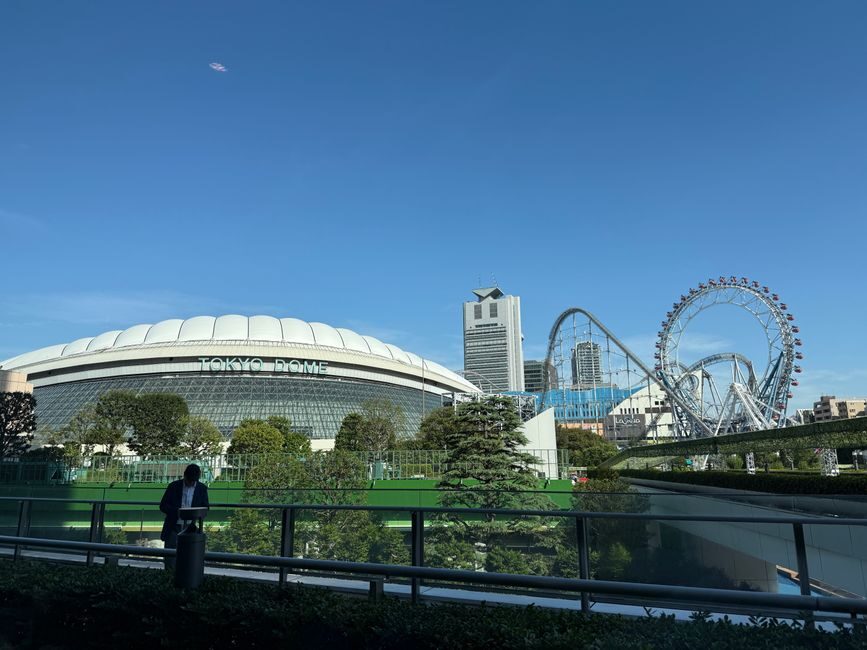
The original Space Museum TeNQ opened on the sixth floor of Tokyo Dome City’s Yellow Building in July 2014 and closed in March 2023. Its standout was a theater you looked down into, like peering at Earth from orbit. The same floor reopened in November 2024 as Space Travelium TeNQ, which swaps the museum idea for a space-travel theme built around virtual reality.
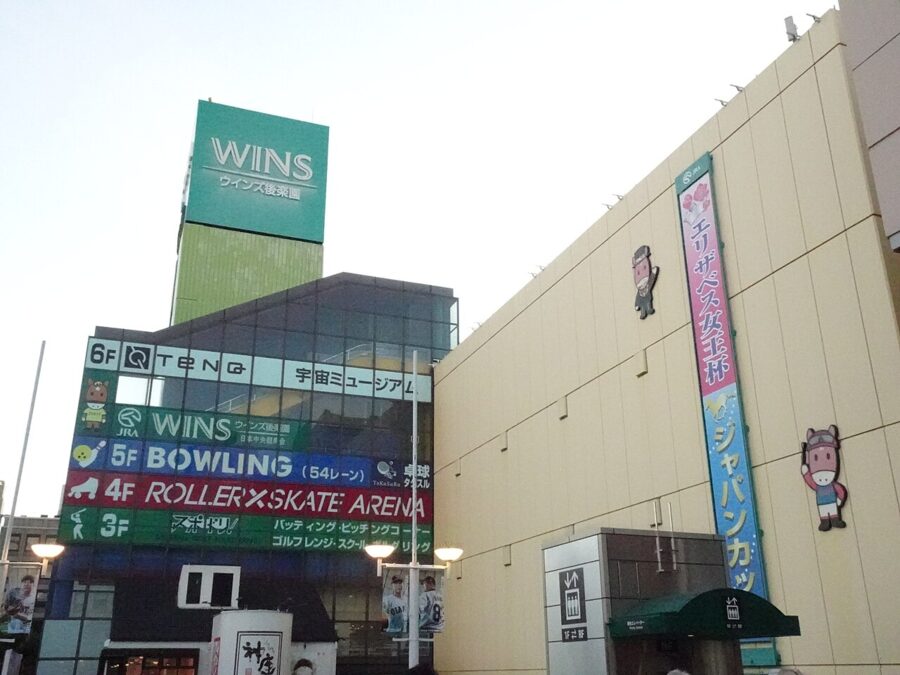

The main event is the SORAVEL LINE, a free-roaming VR ride of about 20 minutes: you wear a headset, walk rather than sit, ride a rocket to the Moon and stroll its surface. It runs in Japanese or English, one ride per ticket. Around it are the Space Terminal exhibits on space travel, a gallery of space products made by companies and research groups, a classroom for short courses, and the TeNQ space shop.
Tickets cost ¥2,500 for adults on weekdays and ¥3,000 on weekends and holidays, with ¥1,800 (about $12) for junior high and high school students (ID required), ¥1,300 (about $8) for elementary pupils and ¥800 for preschoolers aged three and up. Under-3s go free. Hours are 11:00 to 21:00 on weekdays and 10:00 to 21:00 on weekends, with last entry an hour before closing. Online sales open at midnight on the first of each month for the month after.
Read the rules before you bring children. Under-10s need a companion of junior high age or older, under-7s can’t do the VR at all, and 7- to 12-year-olds need a parent or guardian over 18 with them plus a signed consent form. The VR area also turns away sandals, heels of 5 cm or more, long skirts and dresses, trousers that drag and sleeves that cover your hands, so dress as if for a climbing gym.
Eat in LOUNGE Q, the café wrapped in projected nebulae, where TeNQ CAFE 138 serves star-themed drinks and sweets and runs a seasonal menu (autumn’s was on in November 2026). The Yellow Building entrance is just across the Korakubashi footbridge from JR Suidobashi Station’s west exit; Korakuen on the Tokyo Metro and Suidobashi on the Toei Mita Line (exit A2) are both a short walk.
The National Museum of Nature and Science, Ueno
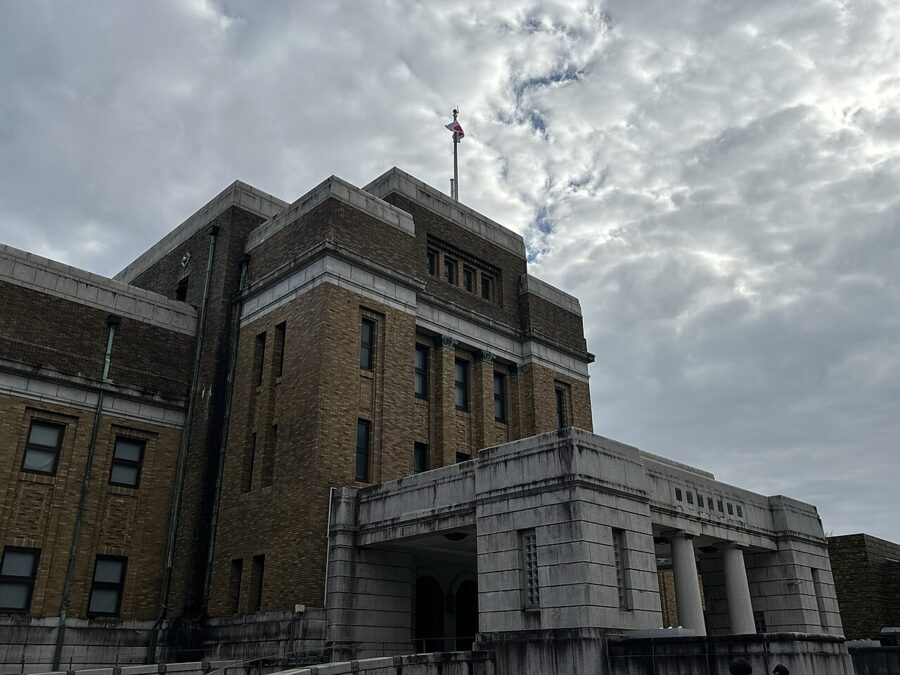

Tokyo’s national science museum, known locally as Kahaku, is still worth a space-minded visit, but go in knowing what’s shut. The Global Gallery’s third basement, which covers telescopes, the solar system, galaxies and the expansion of the universe, has been closed for renovation since September 8, 2026. Part of the Global Gallery’s second floor, which includes a section on Japanese space development, has been closed since March. The museum’s English floor map marks both, so check it on the day.
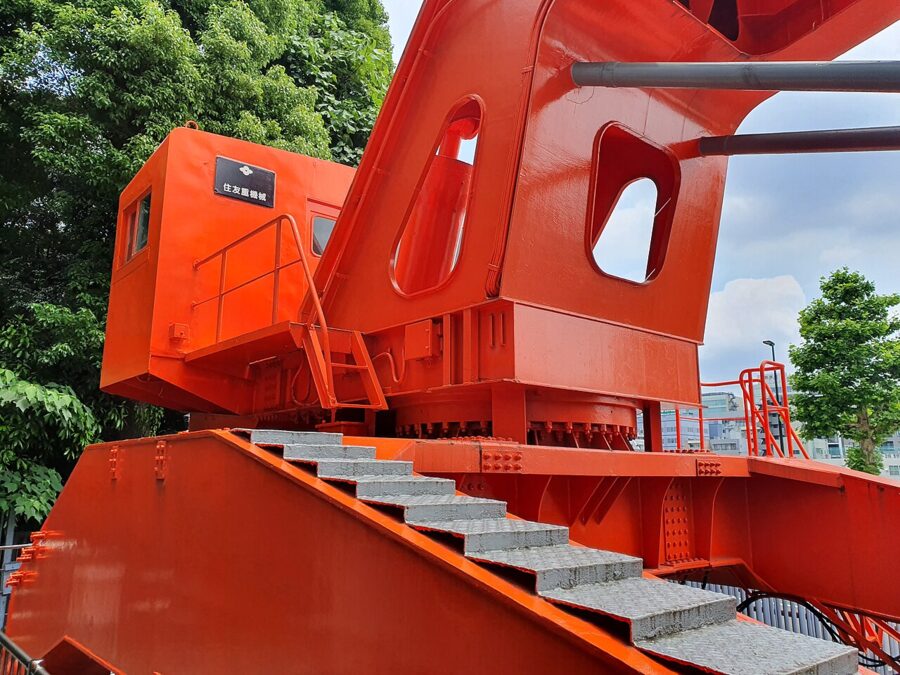
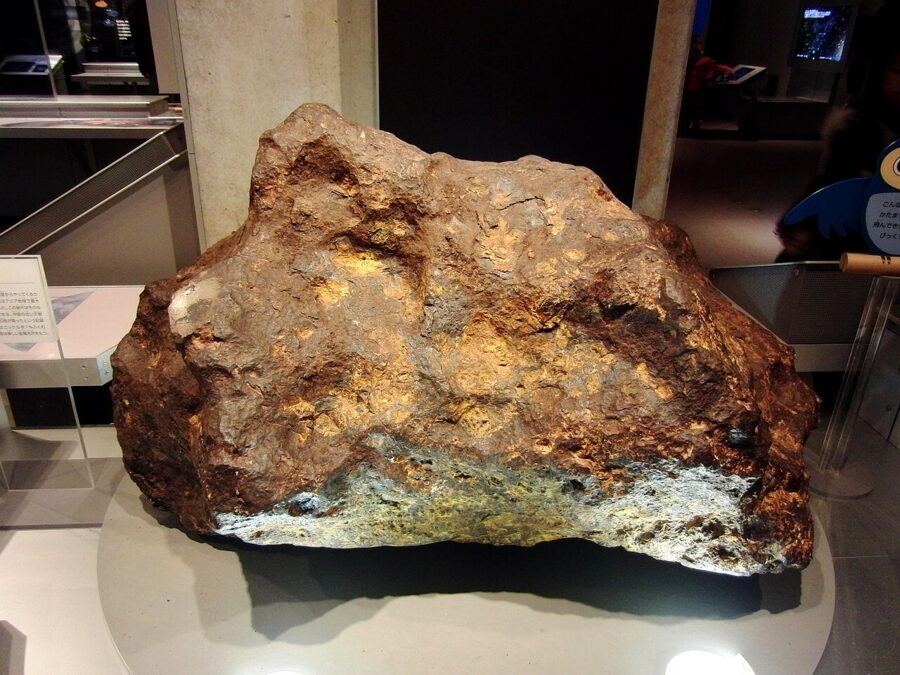
Here’s what remains. Outside, behind the Global Gallery on the side facing the JR tracks, stands the launcher that sent Japan’s first satellite, Ohsumi, into orbit on February 11, 1970. Inside the Japan Gallery, the room called Techniques in Observing Nature covers how Edo-period astronomers read the heavens and kept the calendar, and the section on the nature of the Japanese islands includes meteorites that fell in Japan.
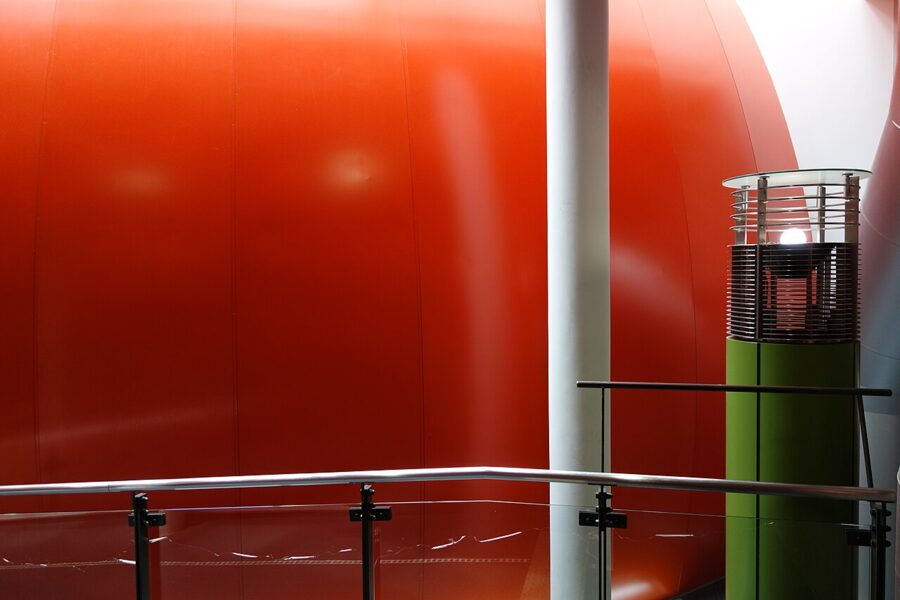
Then there’s Theater 36○, a sphere 12.8 meters across (chosen as roughly a millionth of Earth’s diameter) in the Japan Gallery basement. You stand on a bridge through the middle while the film plays on every surface around you, above and below. It’s dizzying in a good way.
Admission is ¥630 for adults and university students and free for anyone under 18 or over 65, with ID. Hours are 9:00 to 17:00 (last entry 16:30), closed Mondays (Tuesday when Monday is a holiday) and December 28 to January 1. It’s a five-minute walk from JR Ueno Station’s Park Exit.

For something rarer, the museum runs Nights for Astronomical Observation on the first Friday of each month, from 18:30 between September and March and from 19:30 between April and August. They last 90 minutes, happen only on clear nights, cost ¥320 (about $2) for adults and need booking in advance.

Miraikan, closed until April 2027
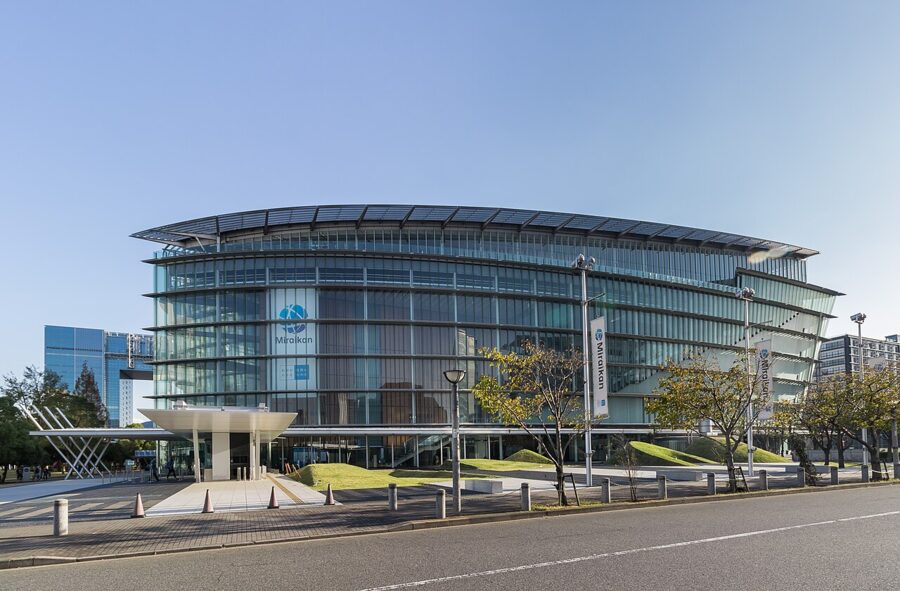

Miraikan, the National Museum of Emerging Science and Innovation, closed on October 1, 2026 for a six-month refit, 25 years after it first opened, and reopens on Friday, April 23, 2027. The museum has said the reopening brings new permanent exhibitions on themes such as genomes and brains, new full-dome 3D films and planetarium programs in the Dome Theater, a renewed children’s area, and a new restaurant and café.
If your trip falls after the reopening, plan for a weekday. Normal hours are 10:00 to 17:00 with ticket sales ending at 16:30, and the museum closes on Tuesdays (opening on Tuesdays that fall on a national holiday). The nearest stations are Telecom Center and Tokyo International Cruise Terminal on the Yurikamome line, both a few minutes’ walk. Check the admission page for post-reopening prices before you go.
Tokyo’s best planetariums
Tokyo’s planetariums split into two kinds. The city-run and science-museum domes give you a live narrator talking through tonight’s sky, cheaply. The commercial domes run polished 40-minute shows with music, fragrance and reclining pair seats, at about twice the price.
Tama Rokuto Science Museum: the giant dome
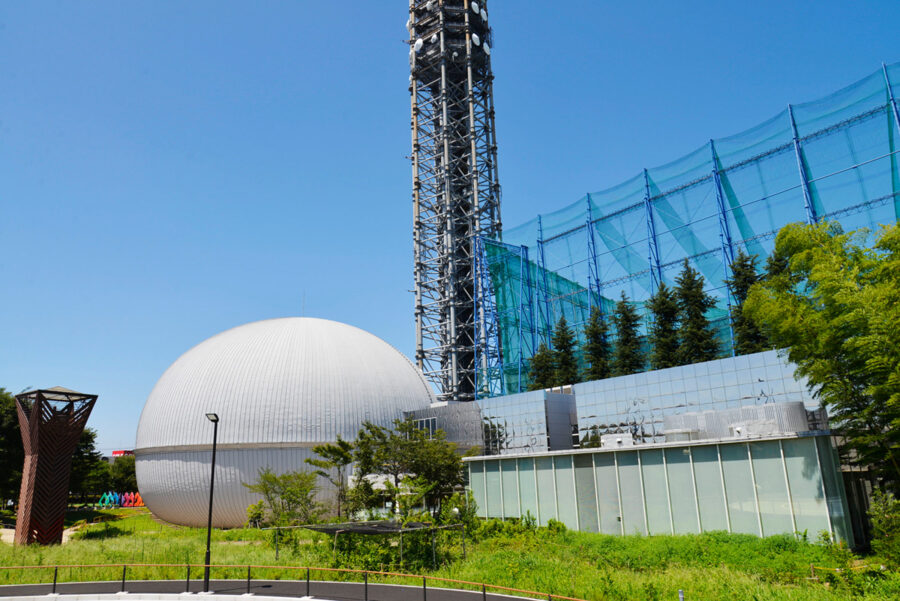

If you only see one, make it this one.
The dome, called the Science Egg, is 27.5 meters across, and its CHIRON II projector, built by Goto Inc. in Fuchu on Tokyo’s west side, puts more than 140 million stars on it. Guinness World Records listed it as the most advanced planetarium when it was installed in 2012. Every planetarium show is narrated live by staff, about 45 minutes for the main program and 35 for the kids’ version, and some of the large-format films have English audio if you ask at the ticket desk.
Entry to the exhibition rooms costs ¥520 (about $3) for adults and ¥210 (about $1) for children from four through high school. Add one planetarium show or big-screen film and it’s ¥1,040, or ¥1,460 (about $9) for both. Tickets are same-day only, sold from 9:30 on a first-come basis, and each show seats 220.
The museum opens 9:30 to 17:00 (tickets until 16:00) and closes on Mondays, the day after national holidays and over New Year, plus some maintenance days. It sits in Nishitokyo, an 18-minute walk from the north exit of Hana-Koganei Station on the Seibu Shinjuku Line, or about 25 minutes on the Hana bus from the north exit of Tanashi Station to its last stop. Allow a full afternoon: the five hands-on rooms downstairs keep children busy between shows.
Konica Minolta’s three domes: Yurakucho, Skytree and Ikebukuro
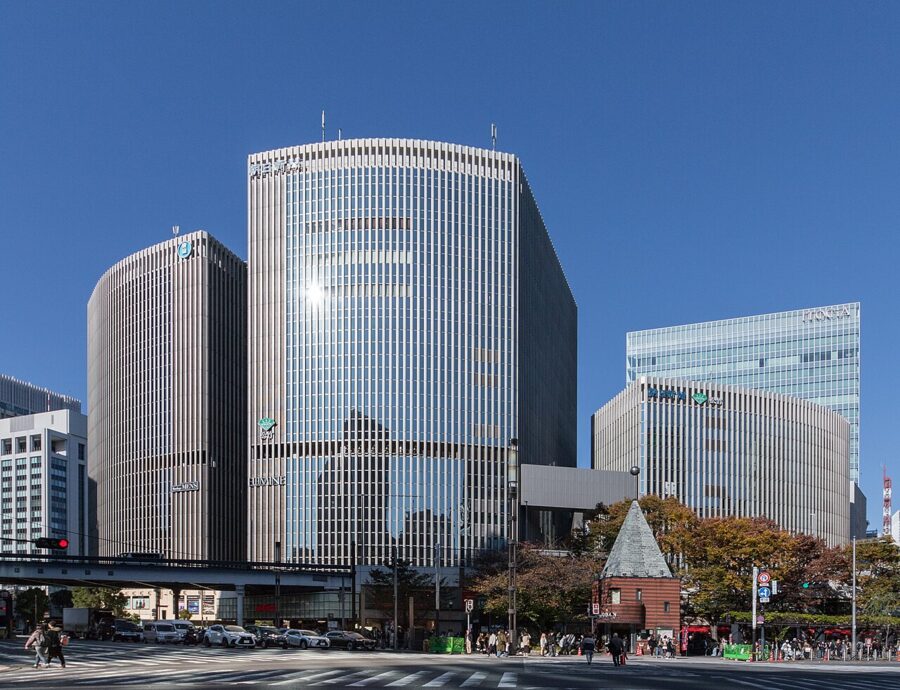

The planetarium maker Konica Minolta runs three domes in central Tokyo, and they are the polished option. Shows run about 40 minutes and lean on music collaborations and “healing” programs with a scent piped into the dome. Two of them, Planetaria TOKYO and Tenku, offer English audio on headphones for selected shows; in November 2026 that meant In Search of Shooting Stars, set to songs by the rock band BUMP OF CHICKEN, and a Fiji-themed healing show.
A general seat costs ¥1,600 for adults bought online, ¥200 less than at the counter, and ¥1,000 (about $6) for children aged four and up. Healing shows and shows using the SOUND DOME 3D audio system cost ¥1,900 (about $12), and the healing shows don’t admit preschoolers. The real draw is the premium seating: the galaxy pair seats at Planetaria TOKYO and the crescent-moon seats at Tenku run ¥4,200 to ¥4,400 (about $27 to $28) a pair online, depending on the day.
- Planetaria TOKYO is on the ninth floor of Yurakucho Mullion, three minutes from JR Yurakucho Station’s central exit. Ginza’s cafes are on the other side of the street, which makes this the easy evening pick.
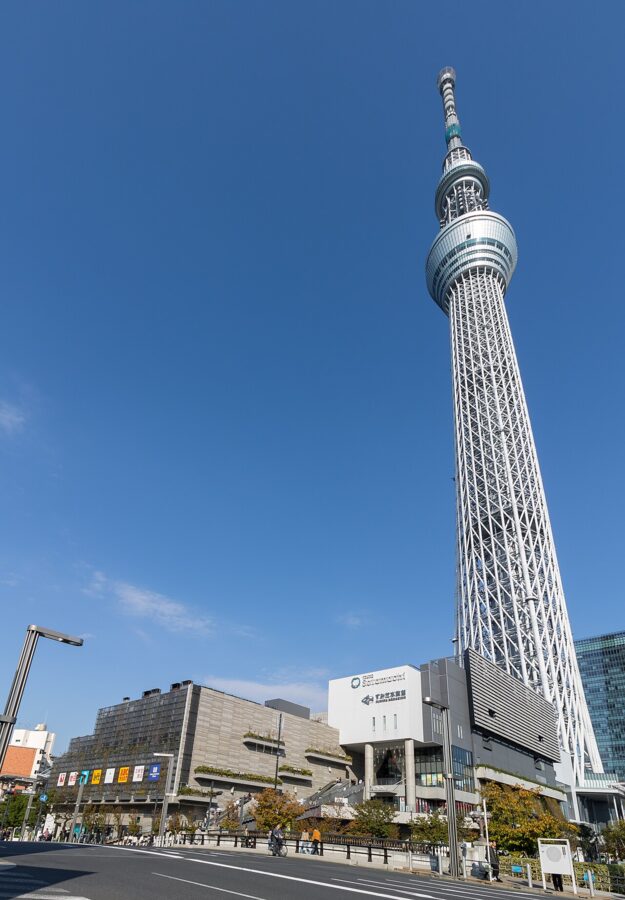
- Tenku is on the seventh floor of Tokyo Solamachi’s East Yard at Tokyo Skytree Town. From Oshiage Station, allow about ten minutes inside Solamachi to reach it.
- Manten is on the roof of the World Import Mart Building in Sunshine City, about a 20-minute walk from the east exit of Ikebukuro Station. Its premium seats are grass mats (¥3,200, about $21, a pair online) and cloud seats, and you take your shoes off for both.


Cosmo Planetarium Shibuya: live talks for ¥800
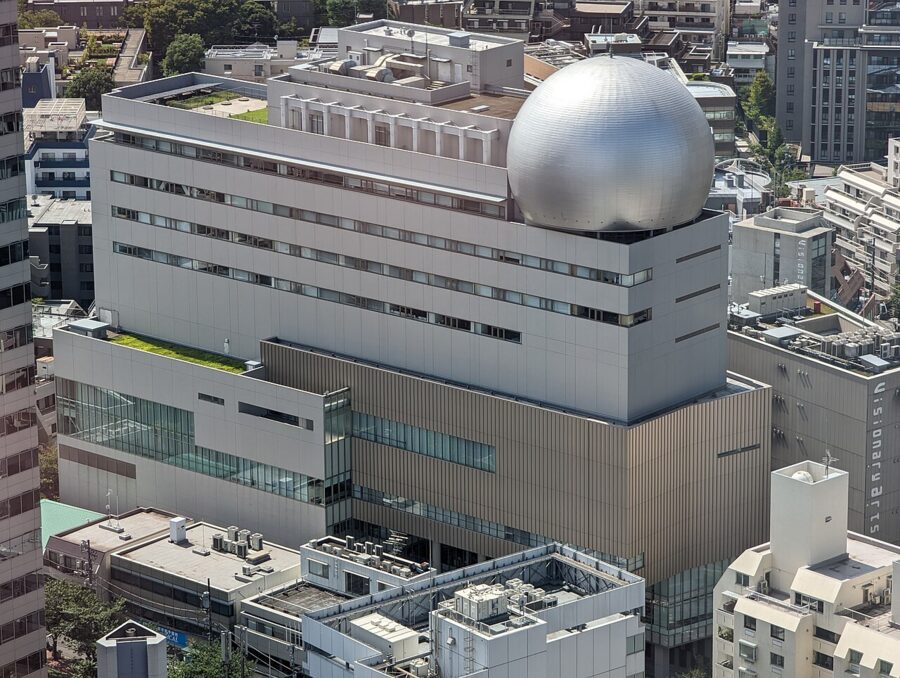
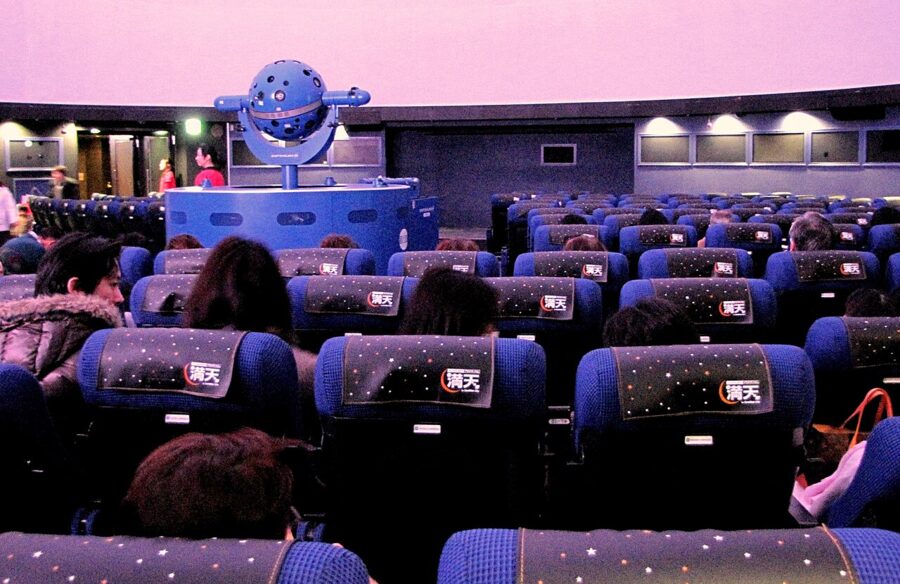
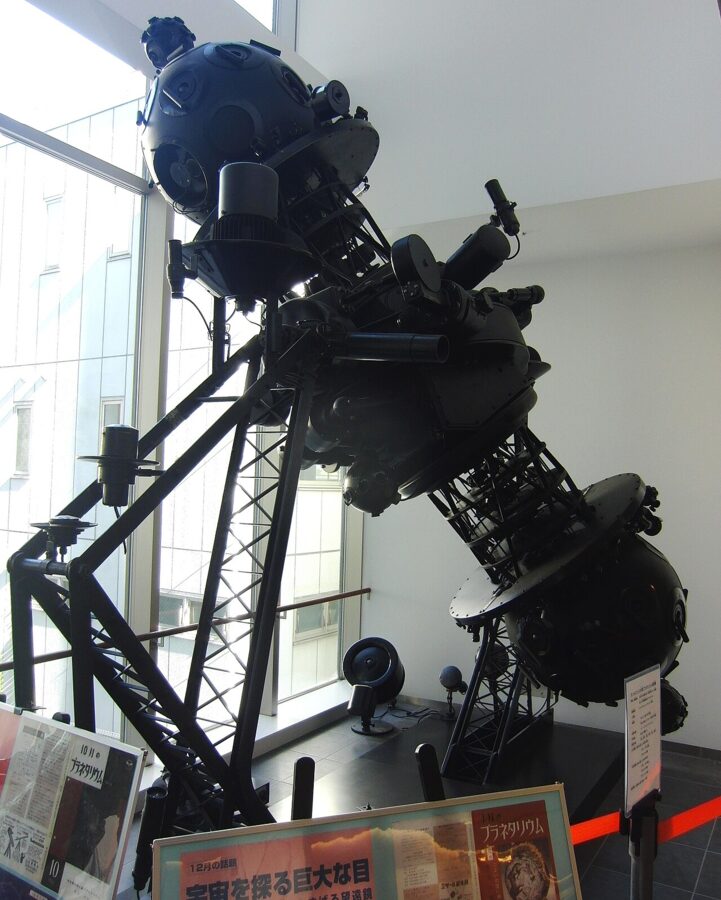
Shibuya got its first planetarium in 1957, when the Gotoh Planetarium opened on the eighth floor of the Tokyu Bunka Kaikan by the station, its dome poking out of the roof. It closed in 2001. Today the ward runs Cosmo Planetarium Shibuya in its Cultural Center Owada in Sakuragaoka, and it’s the best value in central Tokyo: ¥800 for adults, ¥400 (about $3) for elementary and junior high pupils, and free for a preschooler on a parent’s lap.
Eight star narrators take turns at the console, so the same program sounds different depending on who’s on. A Saturday in November 2026 ran from a kids’ show at 11:00 through “Tonight’s Star Tour”, programs on Hawaii, the Uyuni salt flat, Einstein and Mucha, and a music-and-stars show at 19:00. All 120 seats are unreserved, and tickets come from the machine in the 12th-floor lobby. Hours are 12:00 to 20:00 Tuesday to Friday and 10:00 to 20:00 at weekends and on holidays; it closes on Mondays.

It’s a cheap rainy-hour fix if you’re already in Shibuya. On December 13, 2026, it runs a special program for the Geminid meteor shower.
JAXA sites you can visit in a day
The Japan Aerospace Exploration Agency runs three sites within reach of central Tokyo that let the public in, all for free. Tsukuba is the one worth the trip; Sagamihara is the one for probe fans; Chofu is mostly about aircraft.
Tsukuba Space Center
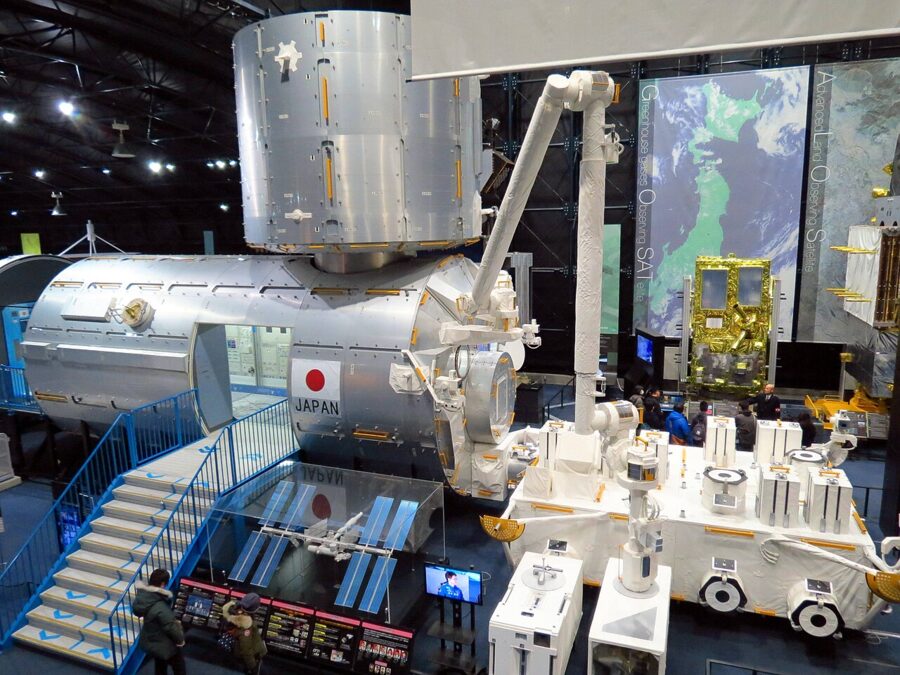

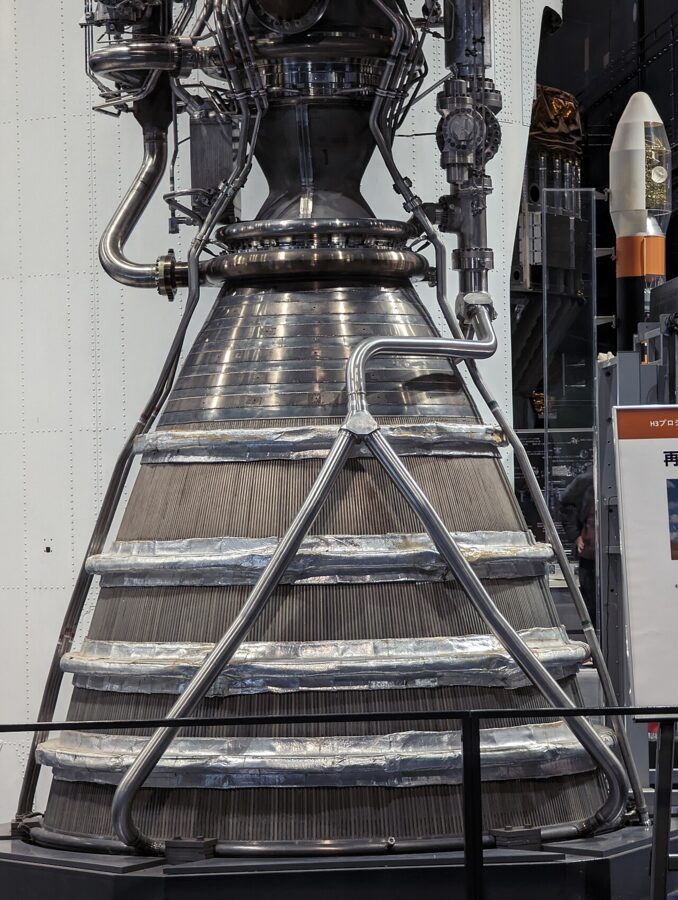
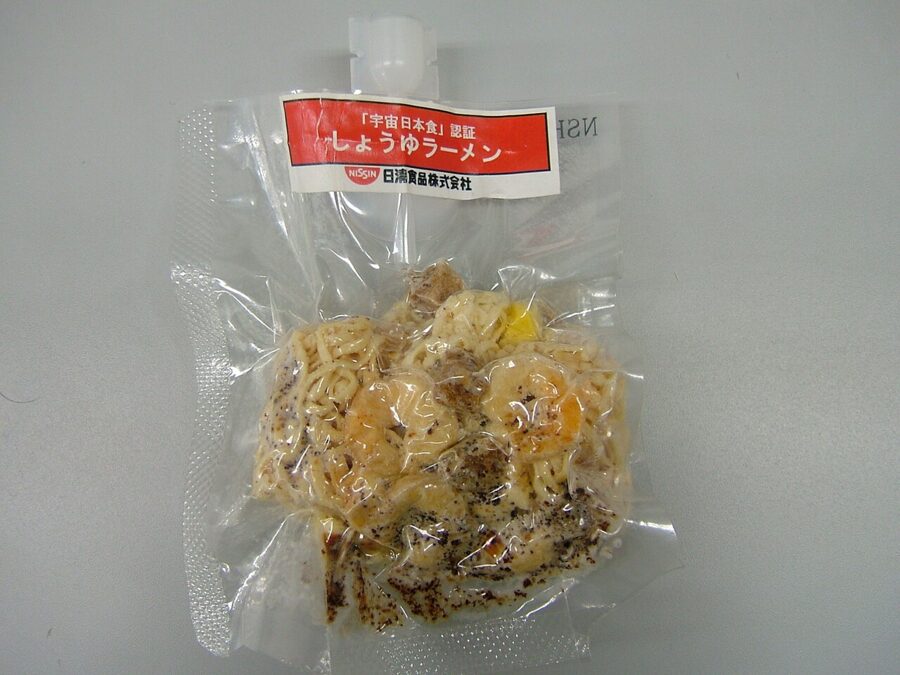
The Space Dome, JAXA’s exhibition hall here, is open 10:00 to 17:00 with no ticket. Inside are full-size satellites, a real rocket engine and the Kibo model, and at the museum shop, Planet Cube, space food and stationery are the popular buys. The center closes on irregular days and from December 29 to January 3, so check the opening calendar on the visitor site before you go.
The guided tour is the part to book. It costs ¥500 for adults, cash only, and is free for anyone under 18. Tours run at 11:30 and 15:00, with up to 40 people each, and the 11:30 tour on Thursdays is in English.
A bus takes you round the site for about 70 minutes: a short film, then the astronaut training building, where you look through glass at the closed-environment and low-pressure chambers used to train astronauts, then the Kibo control room, where flight controllers run the real module around the clock. No photos in the control room.
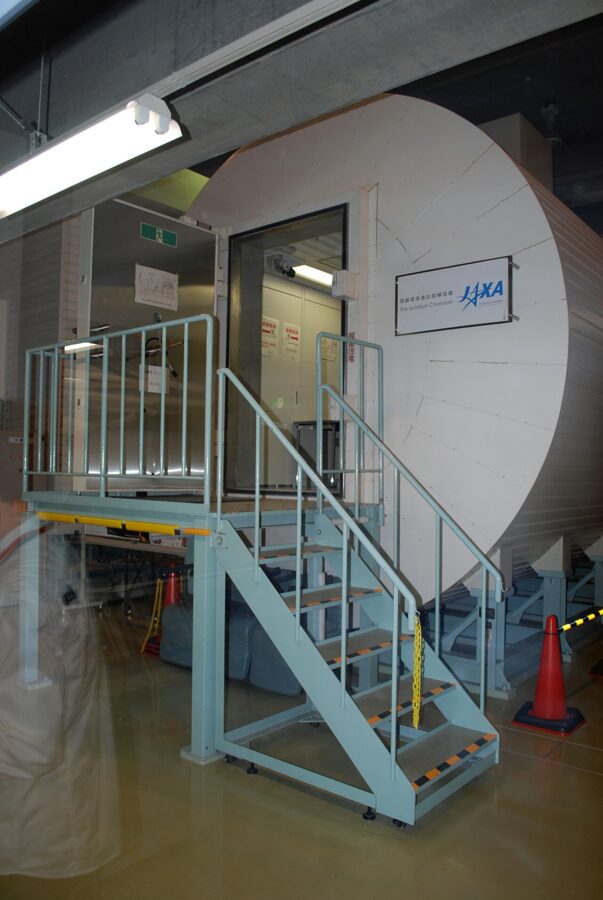


Booking is online only, through JAXA’s Japanese-language visitor site. Bring photo ID for everyone of junior high age and up, check in at the counter in the E-2 building 30 to 60 minutes before your tour, and note that the content is pitched at upper elementary pupils and older.
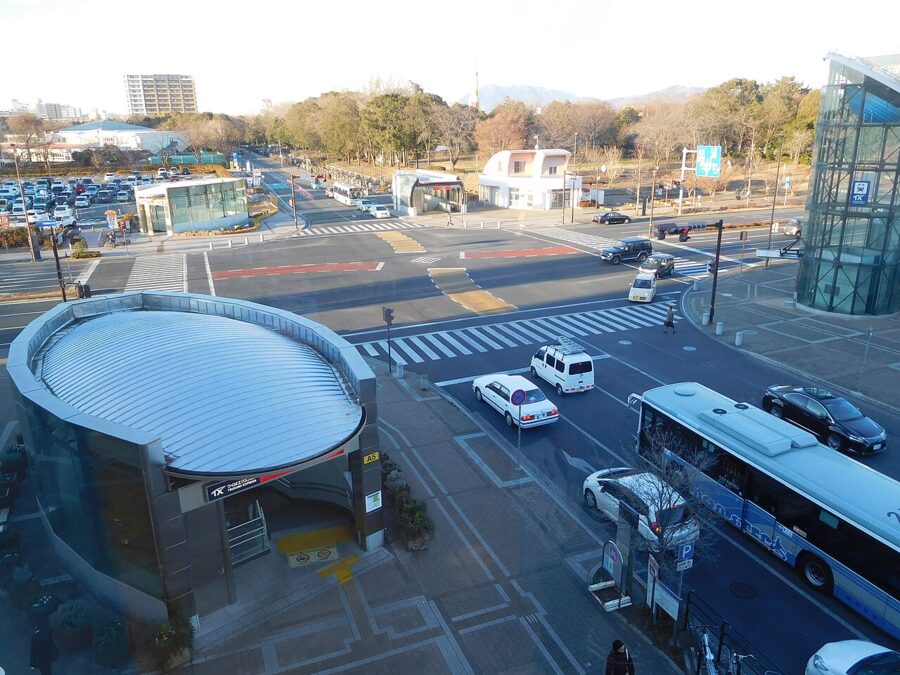
To get there, take the Tsukuba Express from Akihabara to the end of the line at Tsukuba, then a Kantetsu bus bound for Arakawaoki Station to the stop for the National Institute for Materials Science (物質材料研究機構), a minute’s walk from the gate. A taxi from Tsukuba Station takes about ten minutes. There is also a highway bus from the Yaesu South Exit of Tokyo Station to Namiki 1-chome, a minute from the gate. If your dates allow, the center holds its yearly open day on Saturday, November 28, 2026.

Sagamihara Campus, with a planetarium next door
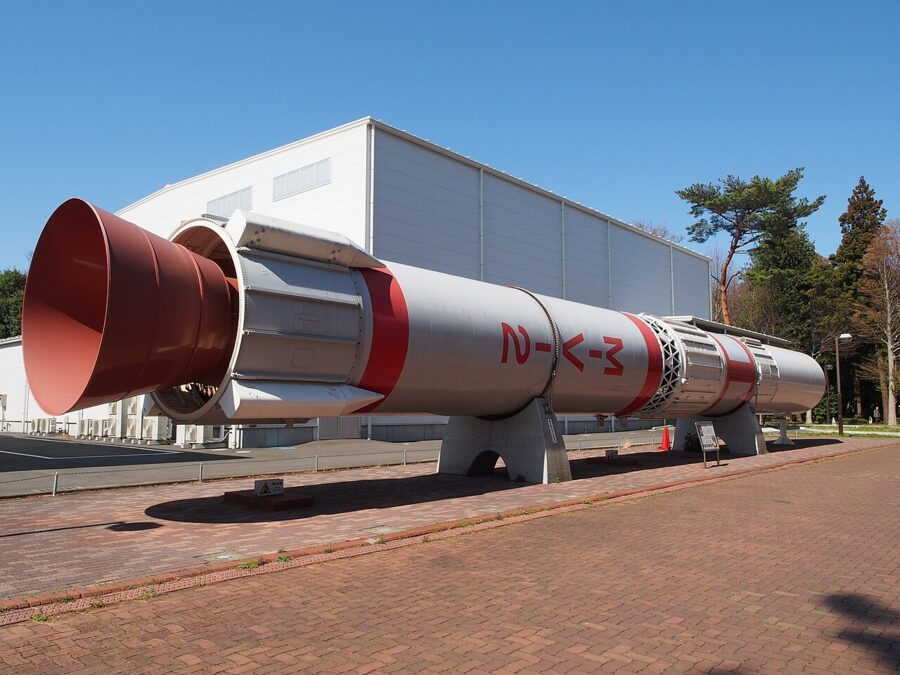

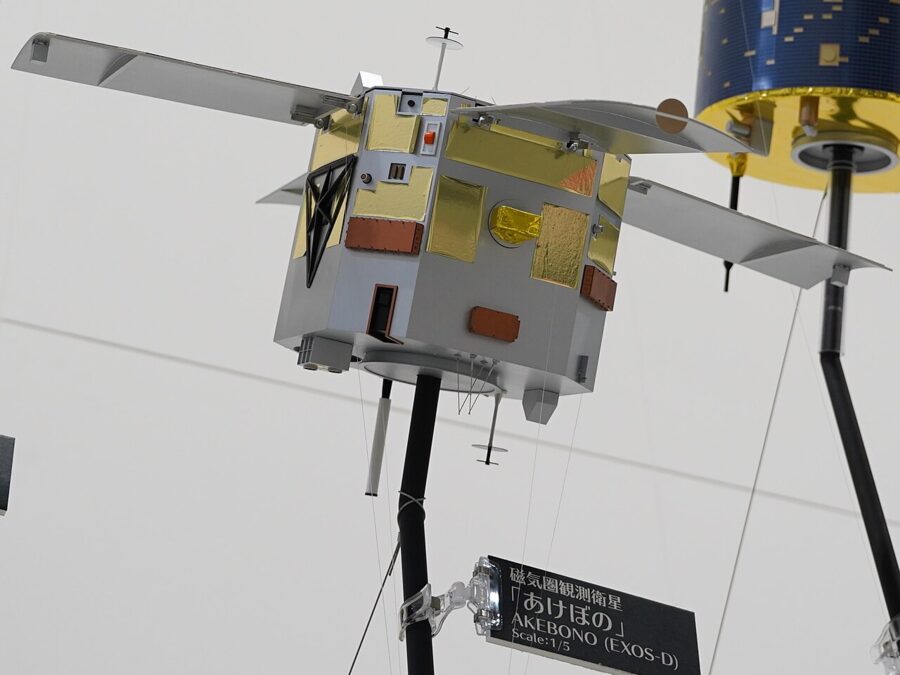
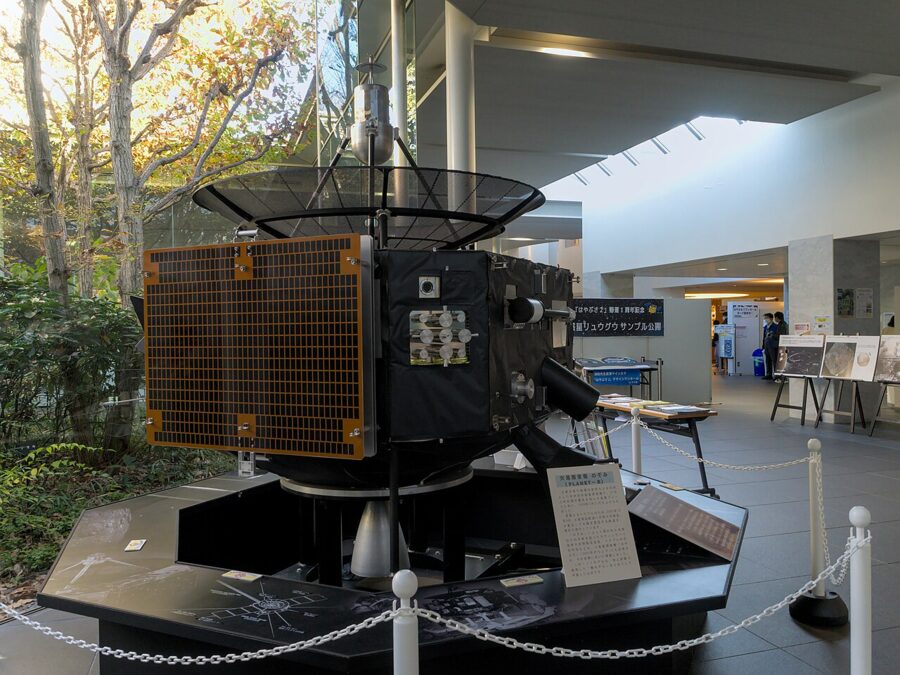
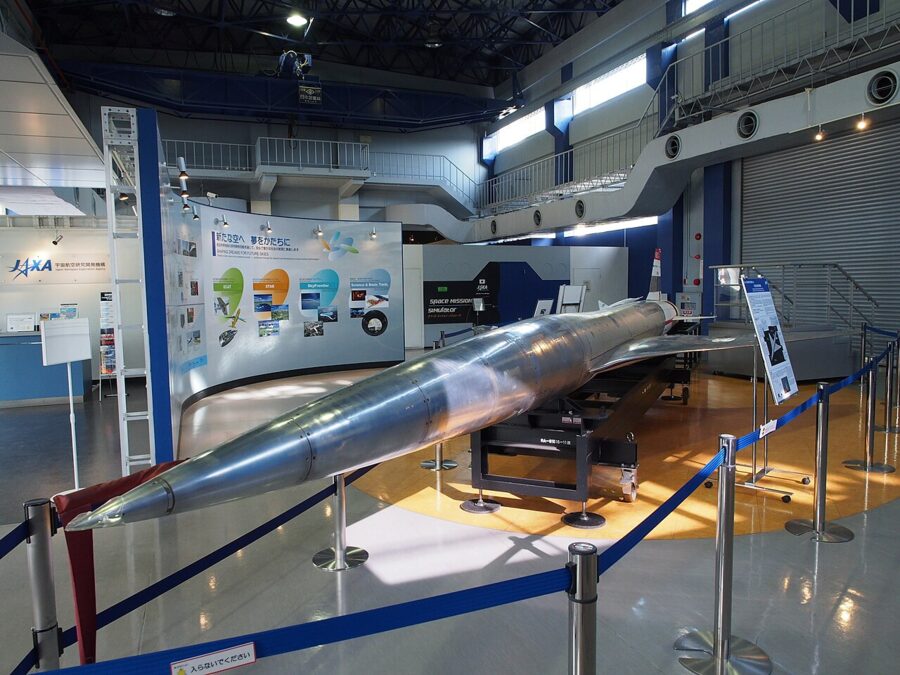
The Institute of Space and Astronautical Science, JAXA’s science arm, is based at Sagamihara in Kanagawa, and it’s the institute behind the Hayabusa asteroid missions. Its exhibition hall, the Space Science Exploration Exchange Building, is free and open 10:00 to 17:00 (last entry 16:45) on the days marked in its calendar. Inside are models of satellites, probes and rockets, an interactive game in which you steer Hayabusa2 down onto the asteroid Ryugu, and a library of space books for the public; outside lies a model of the M-V rocket.

From the No. 2 stop at Fuchinobe Station on the JR Yokohama Line, a loop bus takes 10 to 15 minutes to Shiritsu Hakubutsukan-mae, then it’s a two-minute walk. You can also walk from the station in about 20 minutes. The bus stop is named for Sagamihara City Museum, which stands next door and makes this a full day.
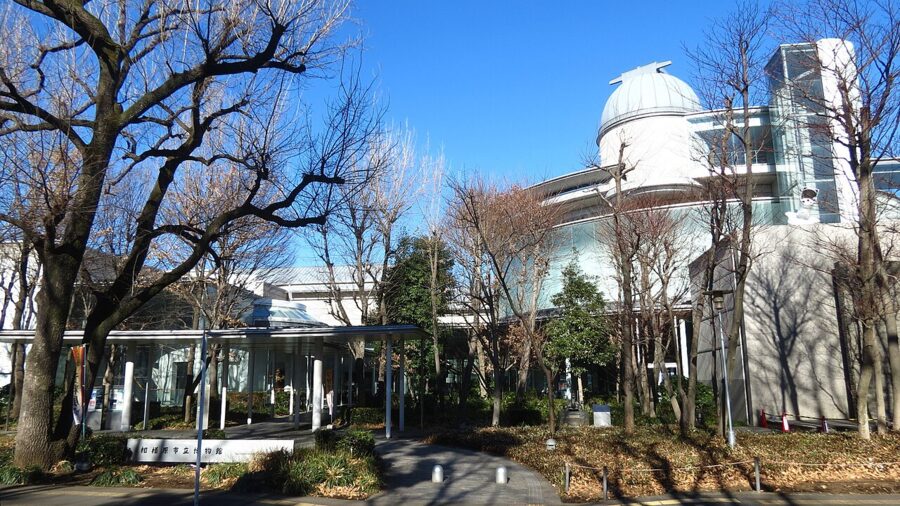

The city museum’s planetarium took the name Kiraboshi Ginga Planetarium in July 2026, and it’s one of the cheapest domes around Tokyo: ¥500 for adults and ¥200 (about $1) for elementary and junior high pupils, with preschoolers free. There are no advance tickets; the machine starts selling at 9:30, and each show seats 180. The museum’s own galleries are free and mix space exhibits with local history and nature. It opens 9:30 to 17:00 and closes on Mondays and the day after national holidays.

Chofu Aerospace Center
JAXA’s Chofu site, in western Tokyo, has a free exhibition room on JAXA’s aviation research, from wind tunnels to experimental aircraft. It’s aimed at aviation more than space, so I’d only go if you’re already in Chofu or heading to Jindaiji. You don’t need to book: sign in at the gatehouse. It opens 10:00 to 17:00 and closes on Sundays, Mondays, national holidays and from December 29 to January 3.

National Astronomical Observatory of Japan, Mitaka
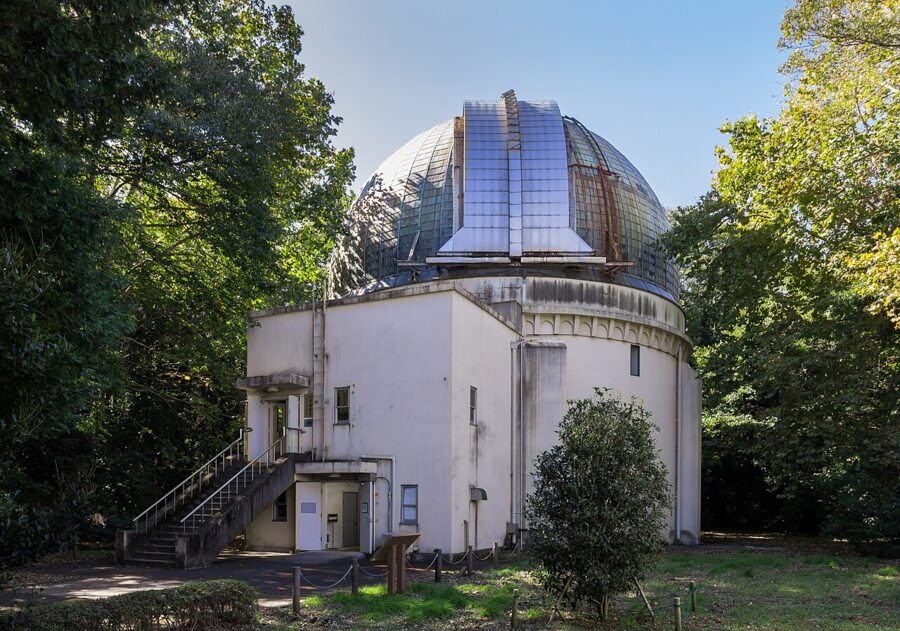

The observatory’s headquarters in Mitaka is the quietest space visit near Tokyo, and the one adults tend to like best. The campus is open every day from 10:00 to 17:00 (entry until 16:30) except December 28 to January 4, and it’s free. You sign in at the gatehouse by the main gate, take a visitor sticker and follow a marked route through woods past domes from the 1920s.
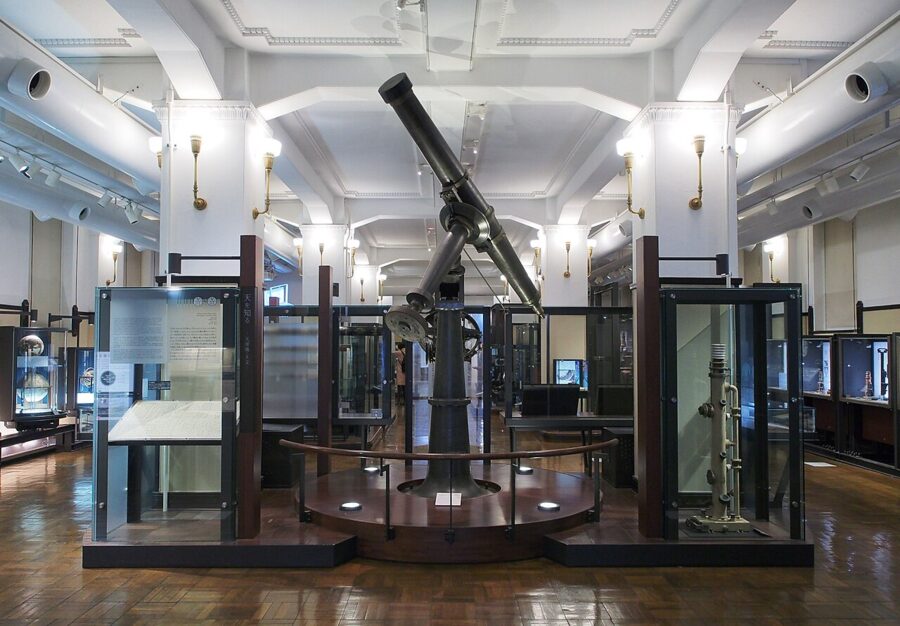
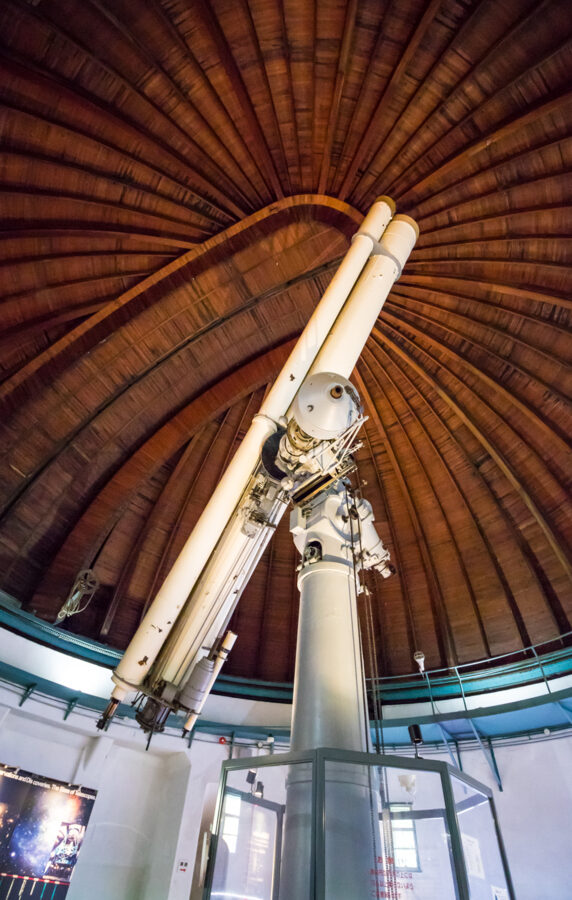
The big one is the Great Equatorial Telescope building, whose dome was built in 1926. Inside is a 65 cm Zeiss refractor installed in 1929, the largest-aperture refracting telescope in Japan, under a wooden dome made with help from shipyard builders. It stopped observing as it aged and became the observatory’s history museum in 2001.

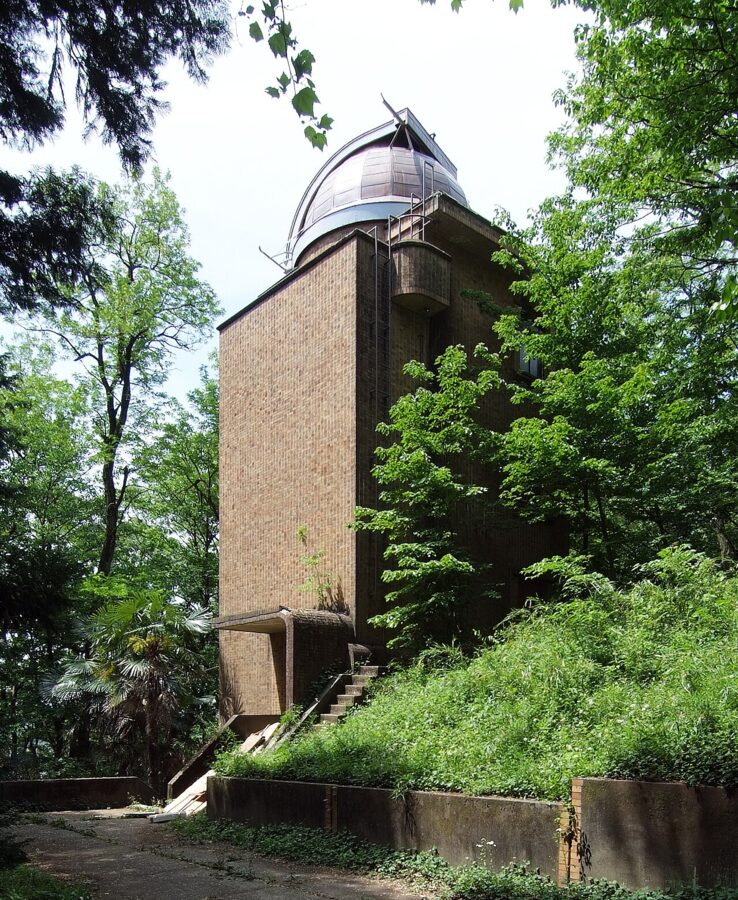
Along the route are the First Equatorial Room of 1921, whose 20 cm Zeiss telescope tracked sunspots for 61 years from 1938, and the Solar Tower Telescope of 1930, built for the same purpose as the Einstein Tower in Potsdam and called by the same name. The observatory hands out printed guides in five languages, including English, and has an audio guide you can play on your phone.

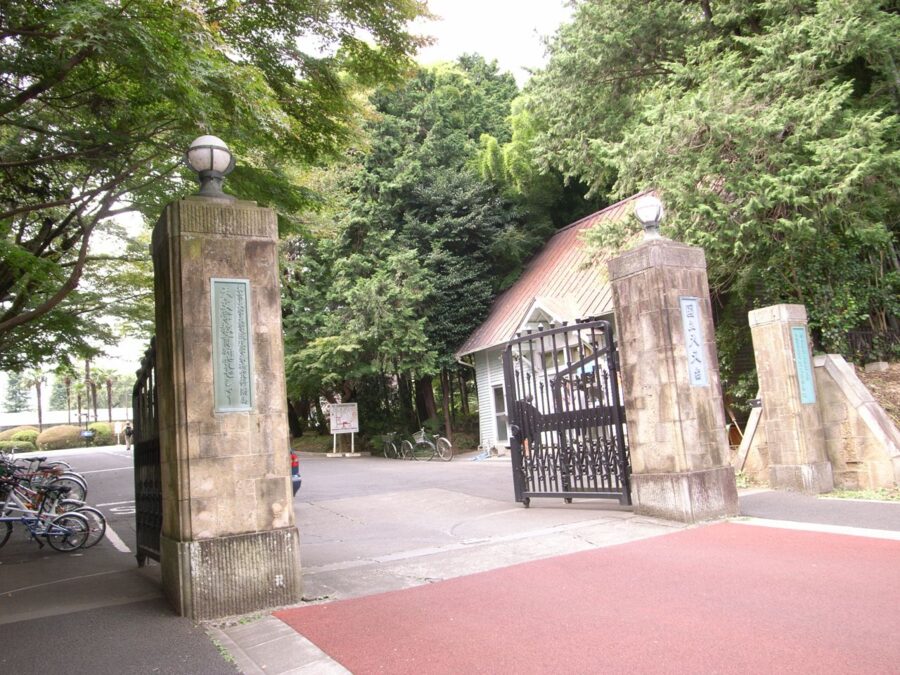

From JR Mitaka Station’s south exit, take the Odakyu bus 鷹51 from stop 5 toward Chofu Station North Exit and get off at Tenmondai-mae, about 20 minutes for ¥250 (about $2). Buses on the same number bound for International Christian University or Osawa don’t stop there, so read the destination. The campus cafeteria is open to visitors on weekdays from 11:40 to 13:15, and on some weekends staff run sun observations at the First Equatorial Room.
Which one for children, adults or a rainy afternoon
For children under ten, Tama Rokuto is the best space museum in Tokyo: a kids’ planetarium show, five hands-on rooms, and prices that barely register. Sagamihara is the runner-up, with a free JAXA hall and a ¥200 child ticket for the planetarium next door. TeNQ is a poor fit for this age, because under-7s can’t use the VR.
For older children and teenagers, TeNQ’s walk-around Moon trip is the most interactive space attraction in central Tokyo, and the Tsukuba tour is free for anyone under 18. If you can only do one, do Tsukuba on a Thursday and book the English tour.
For adults, Mitaka for the old telescopes, then a Konica Minolta healing show or Cosmo Shibuya’s live talk in the evening. On a free-entry day trip, Tsukuba’s control room tour is the thing you’ll describe to people afterwards.
For a rainy afternoon, stay central. Kahaku’s Theater 36○ and Japan Gallery, then a 40-minute show at Planetaria TOKYO in Yurakucho, all under cover and none needing more than a few minutes outside. Everything at Tama Rokuto is indoors too, though the walk from Hana-Koganei is not.
Tsukuba fills a day by itself. Book the Thursday 11:30 tour before anything else, then go and stand by the rocket.