

Gunma grows almost all of Japan’s konnyaku, and then sits down to a plate of wheat. In 2023 the prefecture harvested 48,200 tons of konnyaku potatoes out of a national crop of 50,900, about 95 percent. Yet ask anyone from Maebashi or Takasaki what home tastes like and the answer is a bun on a bamboo skewer, a bowl of flat noodles, or a cutlet dipped in sauce.
The reason is the land. Gunma’s well-drained paddies and its dry winter wind, the karakkaze, suit wheat, and for centuries farmers sold their rice and ate the wheat they planted after it. That left a cooking culture built on flour: noodles cut by hand, buns raised with rice koji, and a long list of things to do with miso.
Most of it is best eaten in a handful of towns: the station towns of Takasaki and Maebashi, the old weaving town of Kiryu, and the hot springs of Ikaho and Kusatsu. Three of the best dishes fit into one day out from Tokyo, between a morning bus and the evening Shinkansen.
If you only have room for three things, I would pick a skewer of yakimanju, a tray of cold Mizusawa udon, and a winter leek from Shimonita. Almost everything else Gunma cooks is a variation on flour, miso or konnyaku, and nearly all of it is cheap.



Contents4 sections
The dishes, one by one
Yakimanju (焼きまんじゅう)
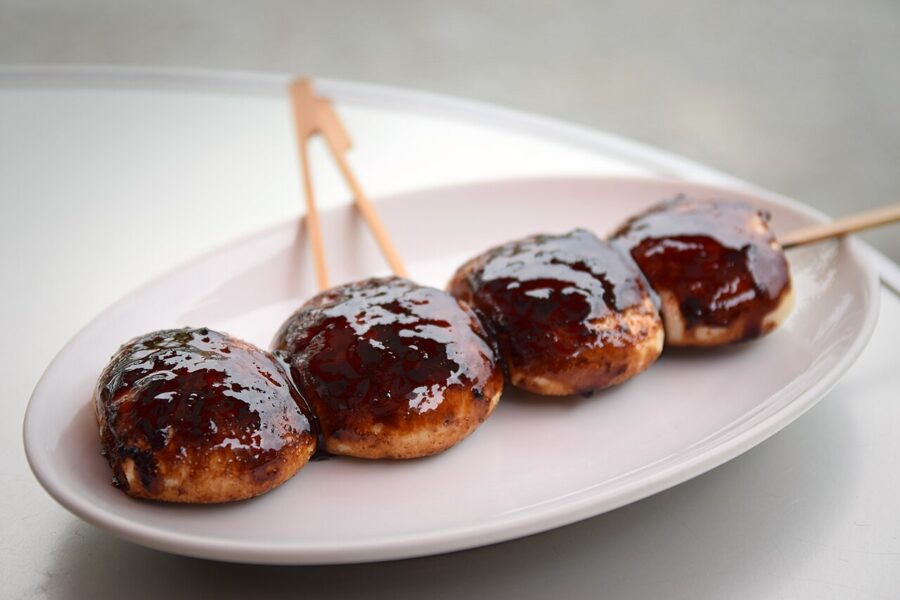
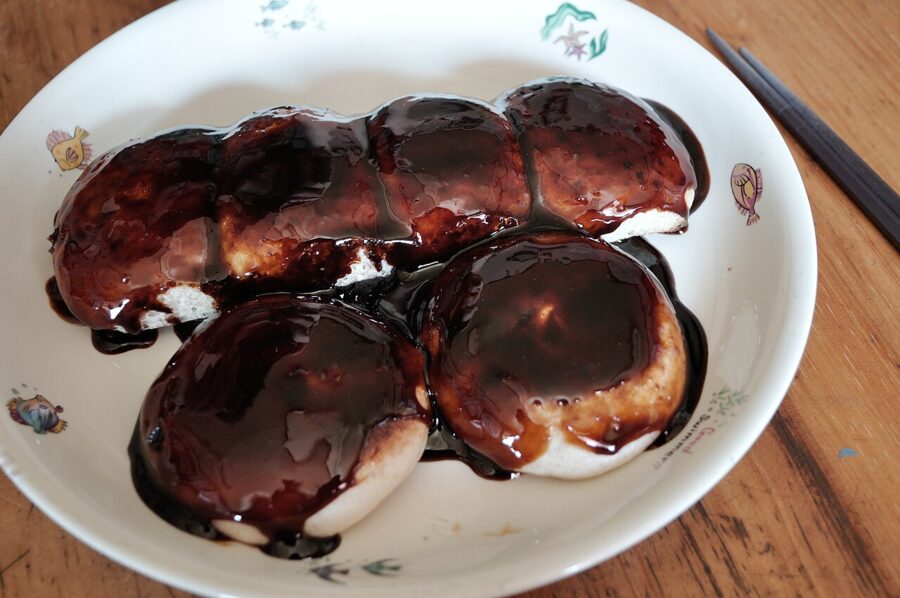
The prefecture’s tourism association calls yakimanju Gunma’s soul food. The bun has no filling. Dough raised the old sakamanju way, with koji or unrefined sake, is steamed into soft rounds, pushed four to a bamboo skewer, painted with a thick, sweet miso sauce and grilled over charcoal or gas until the glaze catches.
The result is crisp at the edges and chewy inside, sweet and salty at once, and it smells like burnt sugar from fifty meters away. Locals slide the buns off the skewer and eat them one at a time with chopsticks. In the north, around Numata and the Tone district, you will also find versions with red bean paste inside, and the argument over filled or plain has no end.
The dish goes back to the late Edo period. The national agriculture ministry’s record of regional cooking credits a Maebashi man, Harajima Ruizō, with a “miso-dipped manju” sold on skewers, a novelty at the time. Several shops in the prefecture are more than 150 years old, among them Harajimaya Sōhonke in Maebashi, founded in 1857, and older houses in Numata and Isesaki that go back to the 1820s and the last years of the Edo era.

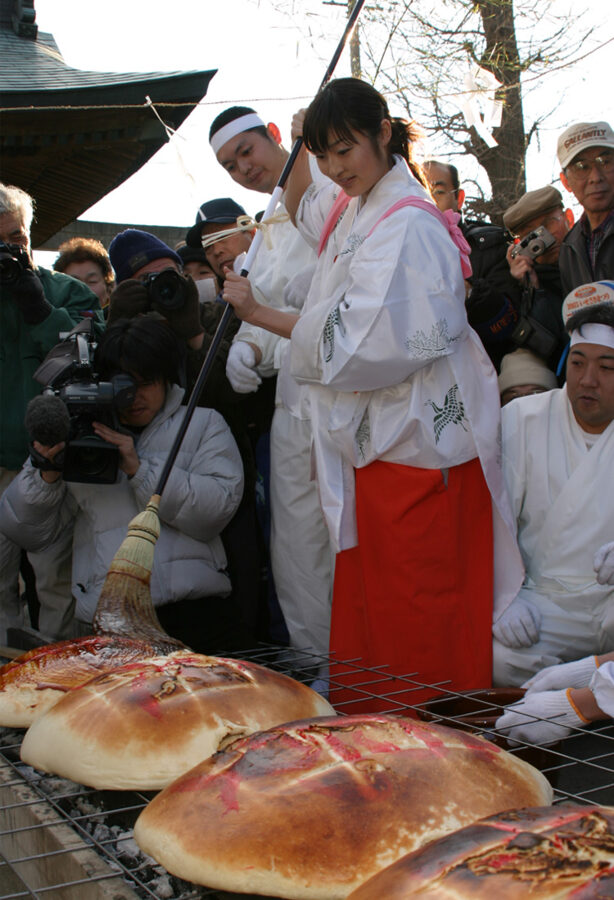
Yakimanju used to be bigger, five buns to a skewer, and it was the snack of farm workers and of the women in Gunma’s silk mills and weaving sheds. It is still the smell of every shrine fair. At Isesaki Shrine, the Jōshū Yakimanju Festival on January 11 grills one giant bun about 55 centimeters across and hands it out to the crowd.

Mizusawa udon (水沢うどん)
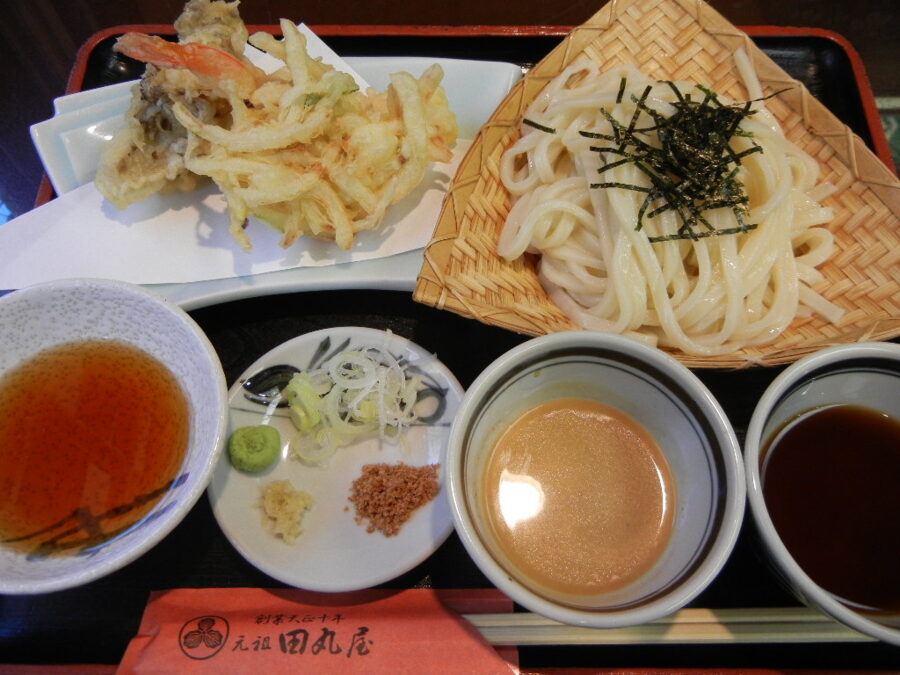
Japan names three great udon: Sanuki from Kagawa, Inaniwa from Akita, and Mizusawa from the slopes above Shibukawa. Mizusawa udon is made from wheat flour, salt and the local water, and nothing else. The noodles are thick, glossy and firm, and they are almost always served cold on a bamboo tray (zaru) so you taste the noodle and not a broth.
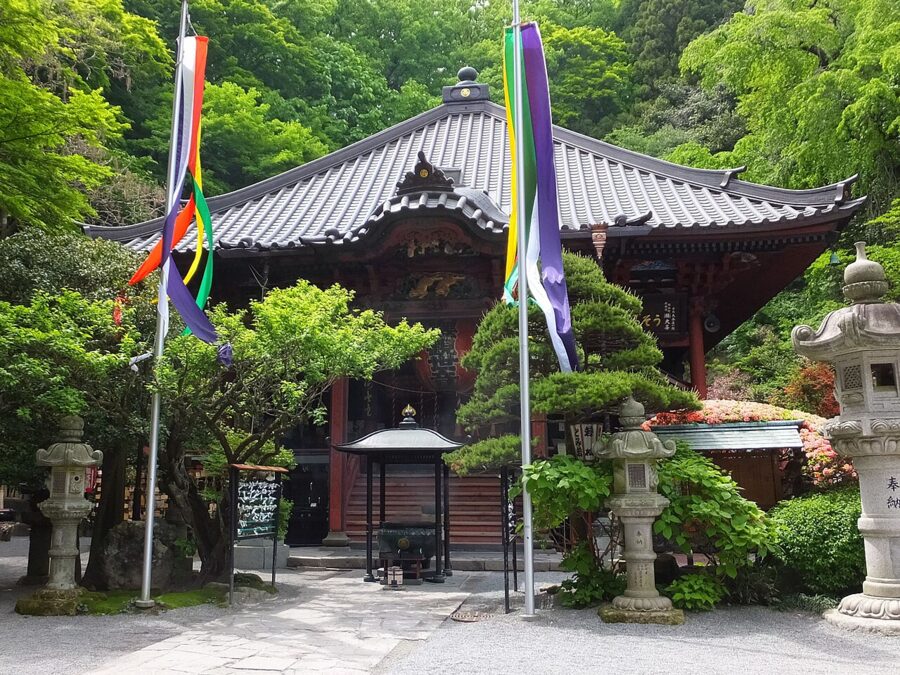
The story starts at Mizusawa-dera, the temple better known as Mizusawa Kannon, the sixteenth stop on the Bandō pilgrimage of 33 Kannon temples. Udon is said to have been served to pilgrims and travelers here from around 1582. Today more than a dozen udon houses line the road below the temple, and the trade association prints a shared map of them.

The usual order is a tray of noodles with two dipping sauces, sesame and soy, plus a plate of tempura or maitake mushrooms. Shops open mid-morning and close when the day’s noodles run out, often by four in the afternoon, so Mizusawa is a lunch place, not a dinner one.
Okkirikomi (おっきりこみ)
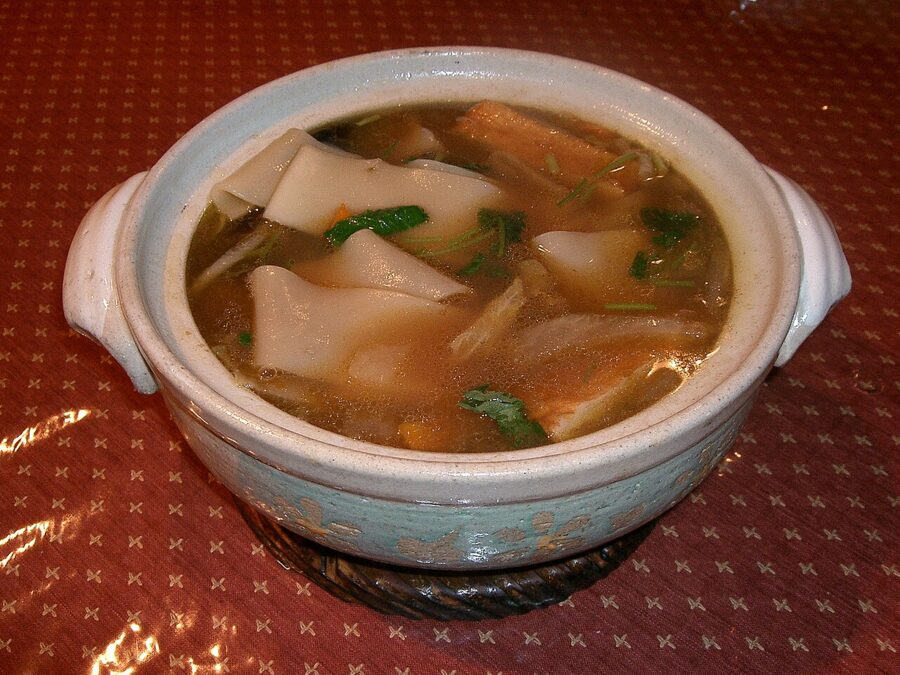
Okkirikomi is what a Gunma family ate on a weeknight. Wide, unsalted noodles are cut straight into a pot of vegetables and broth without boiling them first, which is what the name means: “cut and drop in”. The starch from the raw noodles thickens the soup until it is nearly a stew.
There is no fixed recipe. Carrot, daikon, taro, leek, burdock and shiitake are common, the seasoning is miso or soy sauce, and each house has its own. It is thought to date from the middle of the Edo period, when stone mills put flour within reach of ordinary farm families, and it stayed the fast supper of women who worked the fields and raised silkworms.

Because it is home food, okkirikomi is harder to find in restaurants than yakimanju. The prefecture’s tourism association keeps a list of the places that serve it, and the list is worth reading for one detail: some serve it all year, while others make it only from September to April. In summer, check before you go.
Himokawa and Tatebayashi udon
Gunma has two more udon traditions of its own. In Kiryu, himokawa (ひもかわ) is cut so wide that some shops serve ribbons more than ten centimeters across, slippery sheets of noodle that you fold with your chopsticks. It comes cold with a dipping sauce, or simmered in a soy-based broth, and some shops make a curry version.
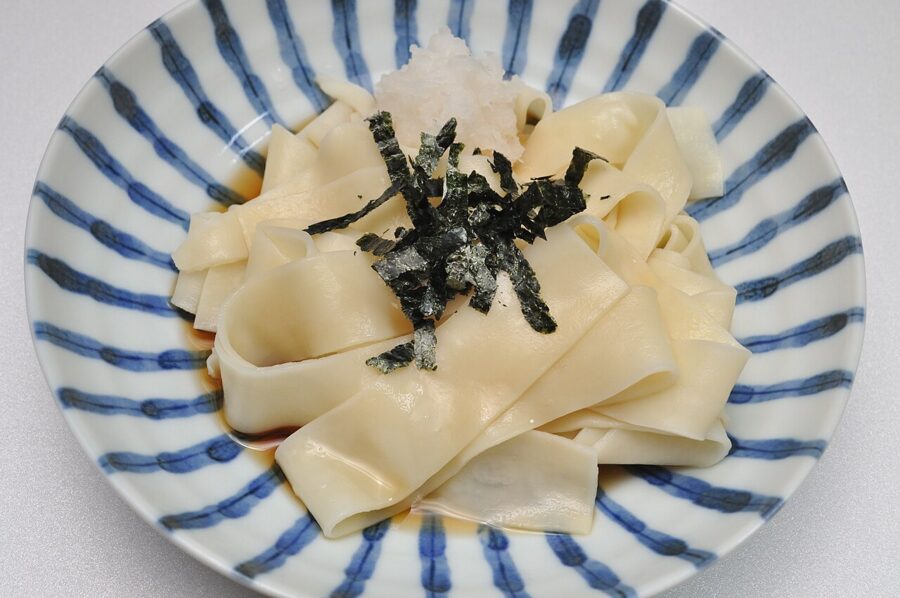
Tatebayashi, in the far southeast of the prefecture, makes its udon from a local wheat called Hyakunen Komugi, “hundred-year wheat”. A Tatebayashi entry won the grand prix at the national regional-udon summit in 2019, and the town’s signature is kamatama, hot noodles tossed with raw egg straight from the pot.
Sauce katsudon (ソースカツ丼)
In most of Japan, katsudon means a pork cutlet simmered with egg and onion over rice. In Kiryu, it means something else: a freshly fried cutlet dipped in a sweet, dark sauce and laid on rice, no egg at all. Ask for katsudon in Kiryu and this is what arrives.
The town’s own sauce katsudon association defines it as pork fillet, fried to order and dipped in sauce. The origin is credited to an unnamed eel restaurant that mixed its eel glaze with Worcestershire-style sauce. It stayed popular because it tastes good cold, and Kiryu’s textile workshops ordered it in for lunch.
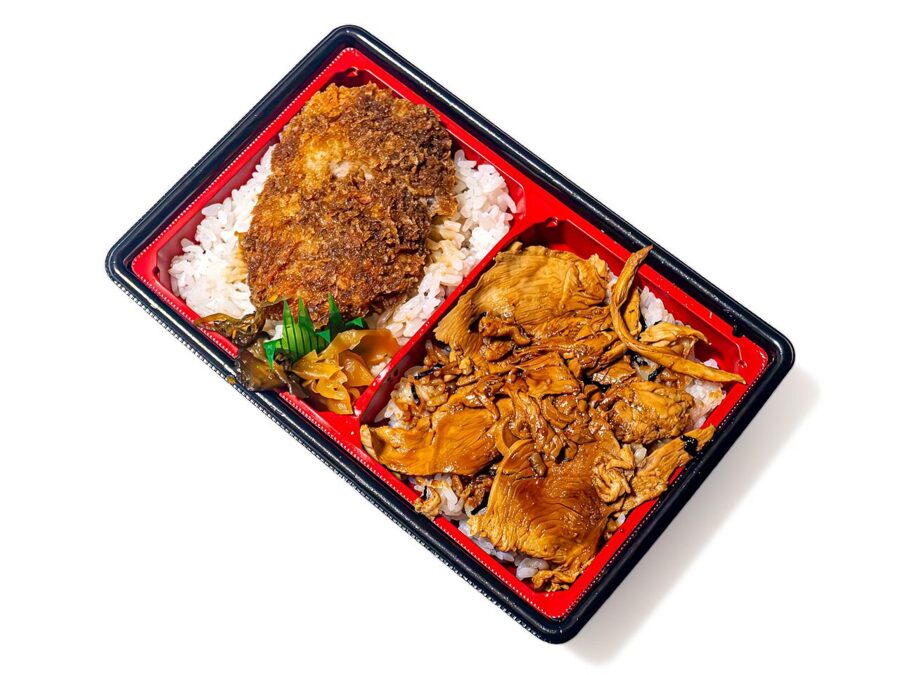

There are no rules on the sauce or the breed of pig, so every shop tastes different, and some use loin or thigh instead of fillet. You will also find sauce katsudon in Maebashi and Isesaki, but Kiryu is where it belongs.
Konnyaku (こんにゃく)
Konnyaku is a firm, grey, almost flavorless jelly made from the corm of the konjac plant, and Gunma grows nearly all of it. It shows up in oden, in sukiyaki as shirataki noodles, sliced raw as sashimi konnyaku with vinegared miso, and in Gunma’s own winter dish, konnyaku miso oden.
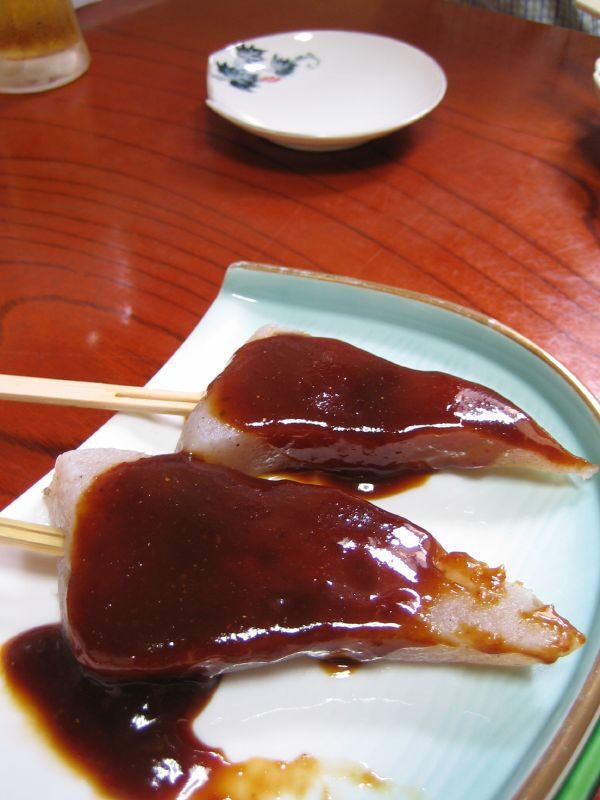

For miso oden, blocks of konnyaku are threaded on long sticks, boiled, drained and spread with miso. It is simple food, and the point is the miso, so take the extra spoonful when it is offered.
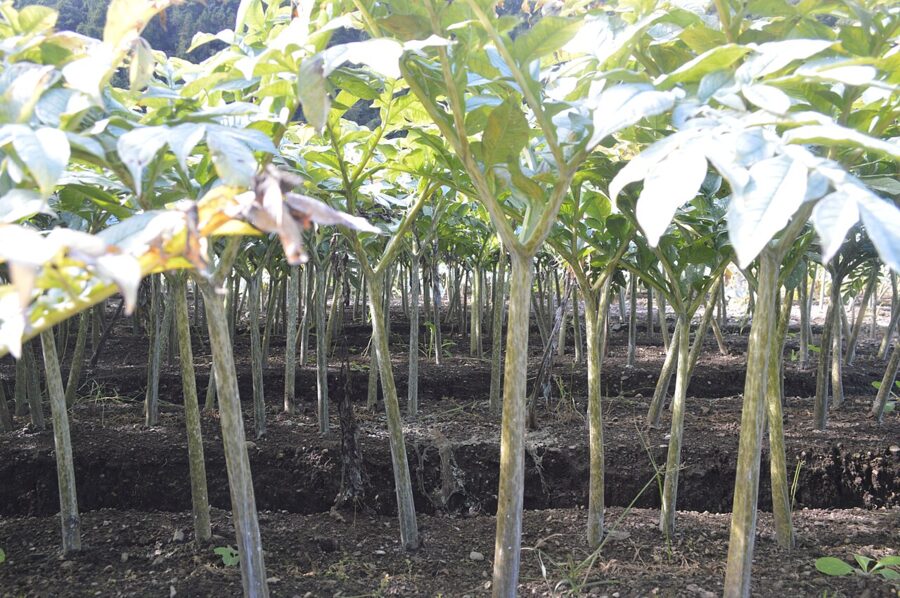
The plant itself takes years to grow. Farmers lift the corms in autumn, store them over winter and replant them, and a corm is only ready to process after two or three seasons. Shimonita, in the hills of western Gunma, is the town most closely tied to it, and its fields grow both konnyaku and the leeks below.

Shimonita negi and Gunma sukiyaki
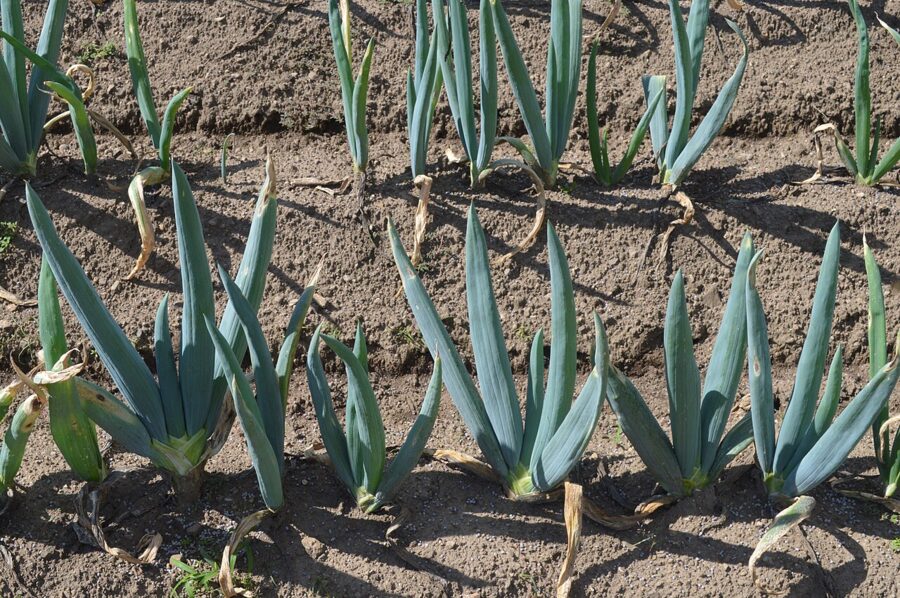
Shimonita negi (下仁田ネギ) is a short, fat leek grown in the town of Shimonita. Raw, it is too pungent to enjoy. Cooked, it turns soft and sweet, and that is the only way to eat it.
It is a winter vegetable. The harvest runs from about November into February, the growers’ association releases its official boxes from December 1, and December is when the leeks are at their best. Outside those months you will mostly meet it in pickles and dried soups.
The best use is sukiyaki, and Gunma has made a cause of that. In 2014 the prefecture declared itself a “sukiyaki-supporting prefecture” on the grounds that every ingredient can come from Gunma: Jōshū beef, the first Japanese beef exported to the European Union; Shimonita negi; shirataki from Gunma konnyaku; and Gunma hakusai cabbage, shungiku and shiitake. November 29 is “Gunma Sukiyaki Day”, and many school lunches serve it.
Torimeshi and the station bentos
Torimeshi is thin-sliced chicken, grilled and soaked in a sweet soy glaze, laid over rice. It is a boxed-lunch dish more than a restaurant one, and Gunma people buy it for outings and train rides. The best-known version is the Jōshū Goyō Torimeshi from Toriheii (登利平), a Gunma chain with take-out counters across the prefecture, sold in sizes named matsu and take, pine and bamboo.
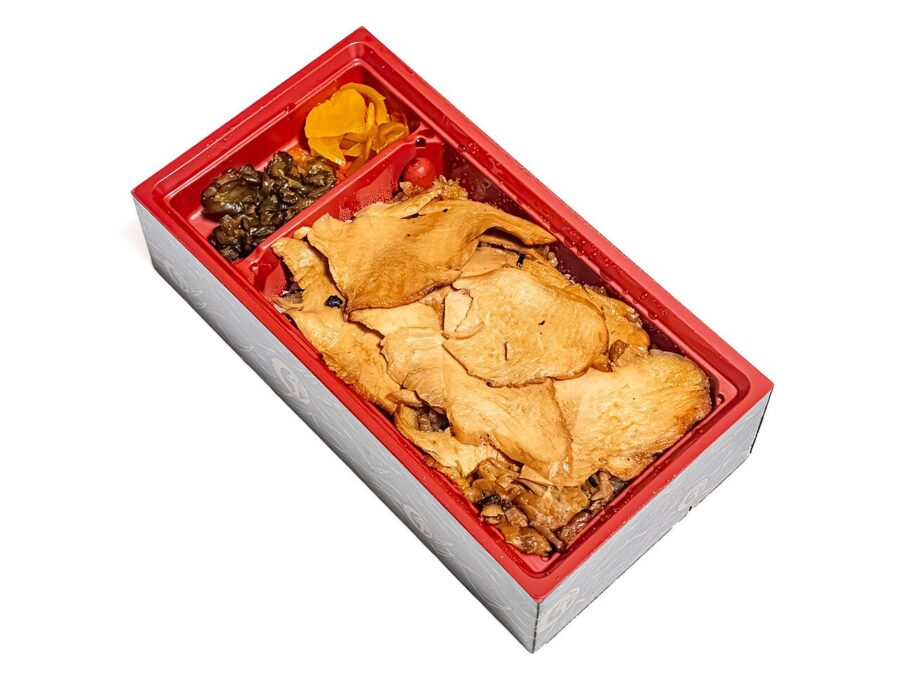

Gunma is also a station-bento (ekiben) prefecture. Takasaki Station’s caterer, Takaben, has sold its own Torimeshi Bentō since 1934, at ¥1,400 (about $9) as of November 2026. Its better-known box is the Daruma Bentō, sold since 1960 in a red plastic container shaped like a daruma doll, at ¥1,500 (about $10).
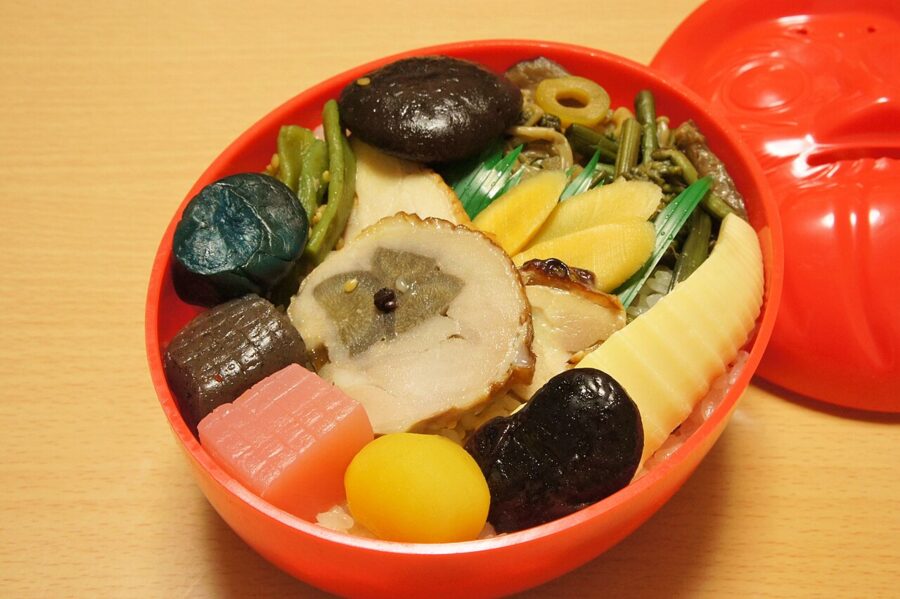

The daruma box copies the lucky daruma dolls sold at the Daruma Market of Shōrinzan Daruma-ji, a temple on the edge of Takasaki, every January 6 and 7. It was first made of china; the plastic version came later, for weight and hygiene. Takaben sells both boxes at Takasaki Station from 6:30 a.m. to 8:30 p.m.
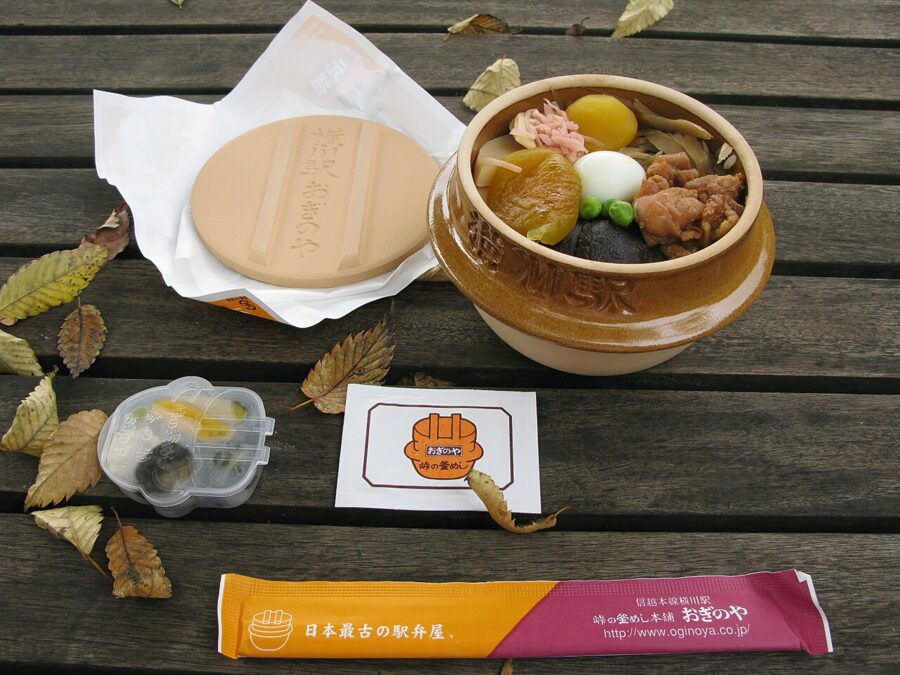
The other famous Gunma bento comes from Yokokawa, at the foot of the old Usui Pass in Annaka. Oginoya’s Tōge no Kamameshi, “rice pot of the pass”, went on sale at Yokokawa Station on February 1, 1958, and the company counts about 170 million sold since. It is seasoned rice topped with chicken, a quail egg, chestnut and mountain vegetables, packed in a small clay pot that most people take home.
Where to eat them, town by town
Takasaki
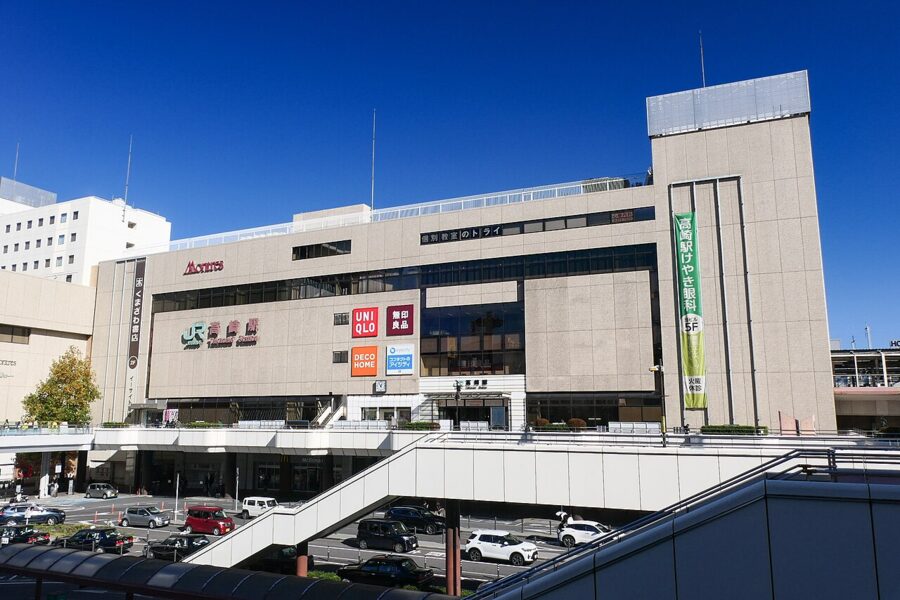
Takasaki is the gate. The Jōetsu and Hokuriku Shinkansen both stop here, about an hour from Tokyo, and the station is where most visitors meet Gunma food for the first time: the Daruma Bentō and Takaben’s torimeshi, eaten on the platform or saved for the ride.
For yakimanju, Orita (オリタ焼きまんじゅう店) is a small old shop near the station, grilling to order. It sells out often, so call before you make a special trip.
Takasaki also has a surprising number of pasta restaurants, enough that the city holds a contest for them. King of Pasta runs every November near the station: the 18th edition was on November 15, 2026, with 18 shops, and an advance all-day ticket of ¥2,800 (about $19) bought five tasting plates and a vote. It fits a wheat prefecture: the flour came first, and the pasta followed.
Maebashi
Maebashi, the prefectural capital, is where yakimanju began by the most-cited account, and Harajimaya Sōhonke (原嶋屋総本家), founded in 1857, still grills it. The shop has an old-fashioned room for eating in on weekdays; on weekends it is too busy, so it sells to take away only. Like most yakimanju shops, it closes when the day’s buns are gone.
Maebashi also hosts the Yakimanju Fest each spring. The 2026 edition, on April 11 and 12 in Shikishima Park, gathered ten shops from around the prefecture, including Chūji Chaya and Hotakaya, with grill-your-own stalls, for an entry fee of ¥500 (about $3). Watch the prefecture’s tourism site in early spring for the next dates.
In Isesaki, next door, Chūji Chaya Honpo (忠治茶屋本舗) sells yakimanju in a building moved from the last hideout of Kunisada Chūji, the gambler-outlaw who was finally arrested there. The building is half the reason to go.
Kiryu
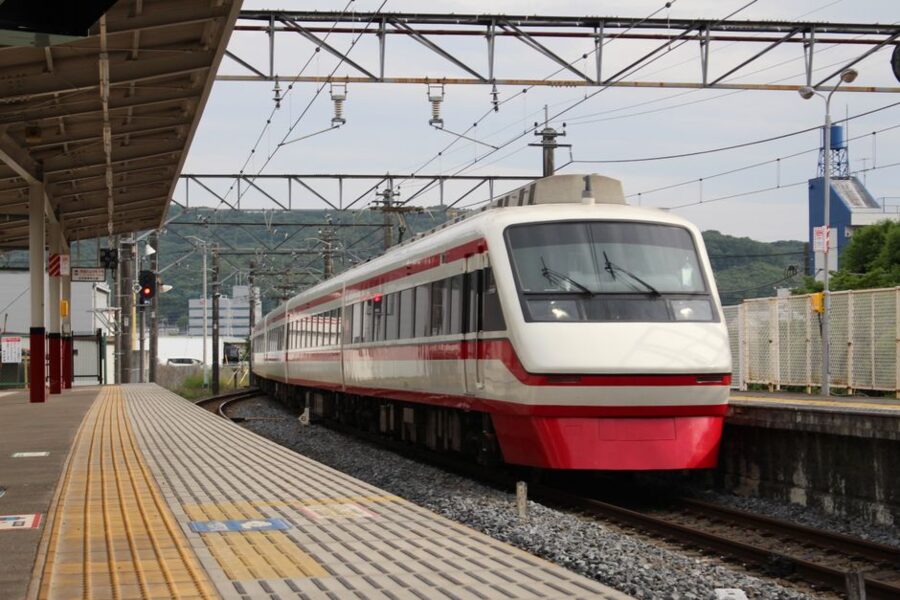
Kiryu was a weaving town for centuries, and its food still follows the workshop clock: filling, cheap and quick. It is the place for both sauce katsudon and himokawa, and it is an easy trip from Tokyo on Tōbu’s Ryōmō limited express from Asakusa, about 1 hour 45 minutes to Shin-Kiryu.
For himokawa, Mendokoro Sakadokoro Furukawa Kureroku in Aioi (めん処酒処ふる川 暮六つ 相生店) is six minutes on foot from Aioi Station on the Tōbu Kiryu Line. Himokawa with pork and eggplant is ¥1,220 (about $8), and the cold version with shrimp tempura is ¥1,700 (about $11). It opens 11:00 to 14:00 and 17:30 to 22:00 (last entry 21:15), and closes on Mondays and the fourth Tuesday of the month.
For sauce katsudon, Hoshinoya (ほ志のや) is twelve minutes on foot from Shin-Kiryu Station and serves it for ¥850 (about $6). Hours are 11:00 to 14:30 (last order 14:00) and 17:00 to 20:00, closed Mondays. Prices and hours for both are as of September 2026.
Ikaho and Mizusawa
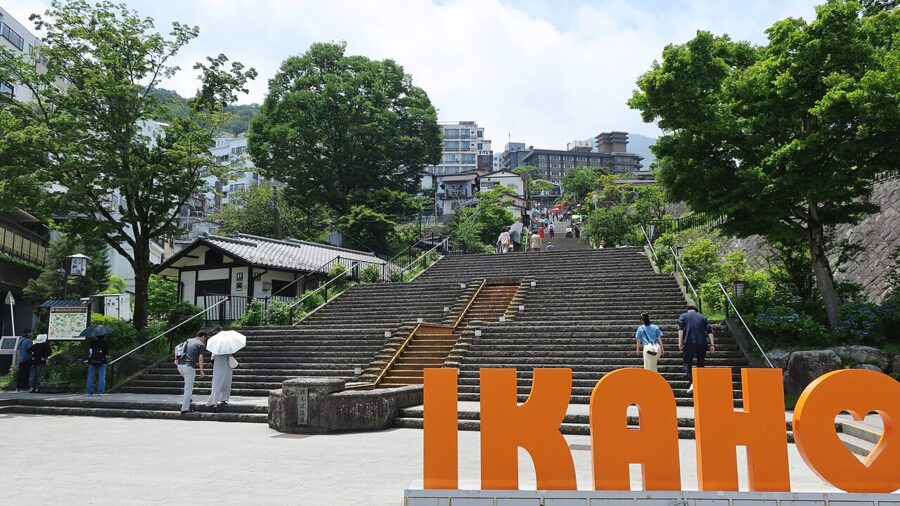
Ikaho Onsen climbs a hillside above Shibukawa on a single stone stairway lined with inns and snack shops. Its spring water runs brown with iron, and that color gave the town its sweet: the yu-no-hana manju, a brown-skinned bun filled with red bean paste.

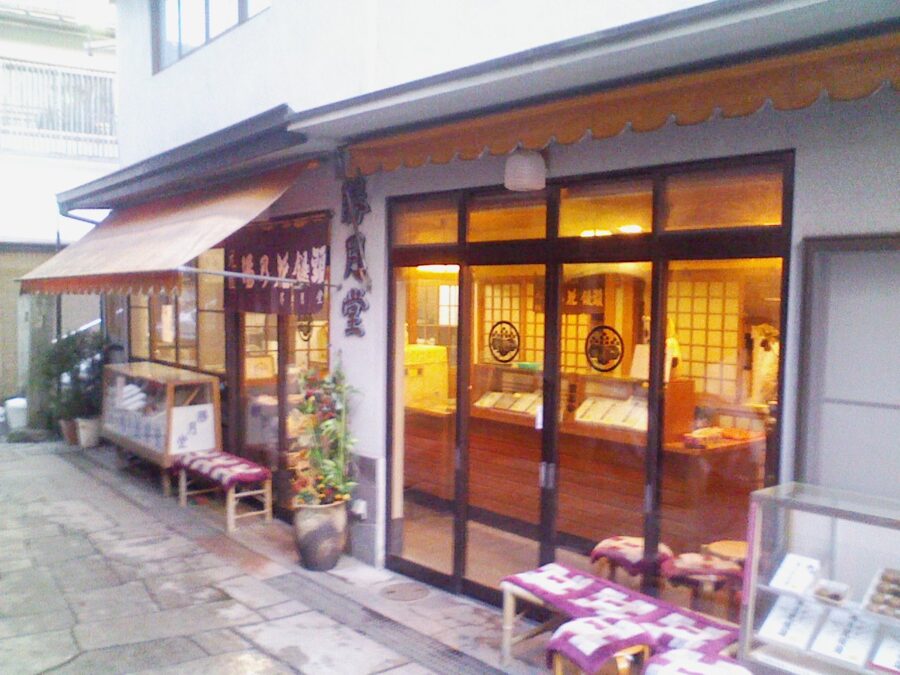
Shōgetsudō (勝月堂), founded in 1910, made the first ones, and its brown onsen manju is widely held to be the original of the steamed buns now sold at hot springs all over Japan. The founder, Handa Katsuzō, modeled the color on Ikaho’s brown water. It makes them by hand, with no machines and no branches, at ¥140 (about $1) each as of August 2026.
The line forms when the shop opens at about 9 a.m., and on busy days the buns are gone before noon. Go early, and buy a box as well as one to eat on the steps.

Mizusawa is a few kilometers south, down the mountain road toward Takasaki. Ōsawaya (大澤屋), founded in 1970, runs two udon houses at Mizusawa and a counter at step 166 of the Ikaho stairway. Its main Mizusawa shop (第一店舗) is open 10:00 to 16:00 on weekdays and 9:30 to 16:00 on weekends and holidays until January 15, 2027, and closes on most Thursdays, with the dates posted on its website; the stairway counter has no fixed closing day.
On the same road, Ankodo (庵古堂) in Yoshioka grills yakimanju and steams yu-no-hana manju in its own kitchens, and makes a good stop if you are driving or in a taxi between Ikaho and Mizusawa.
Kusatsu
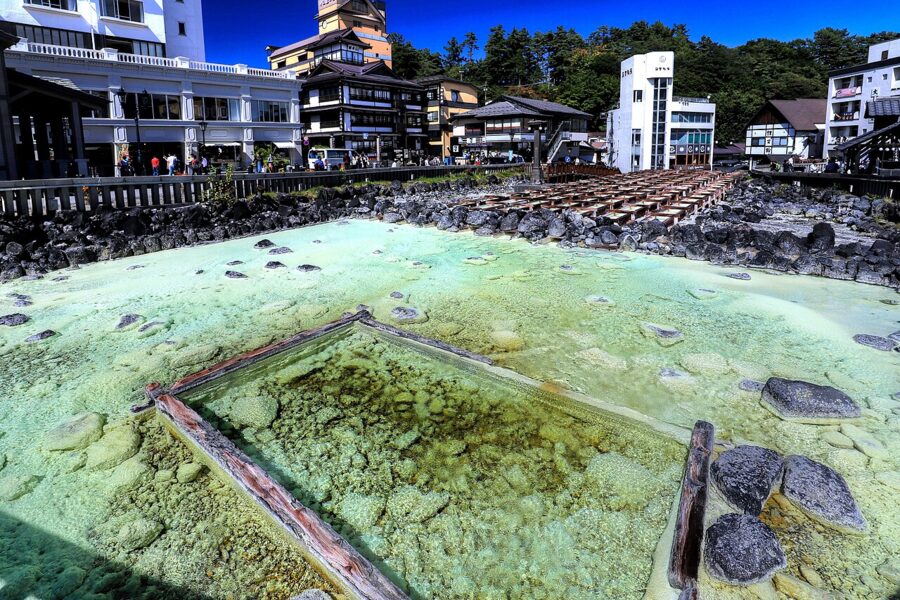
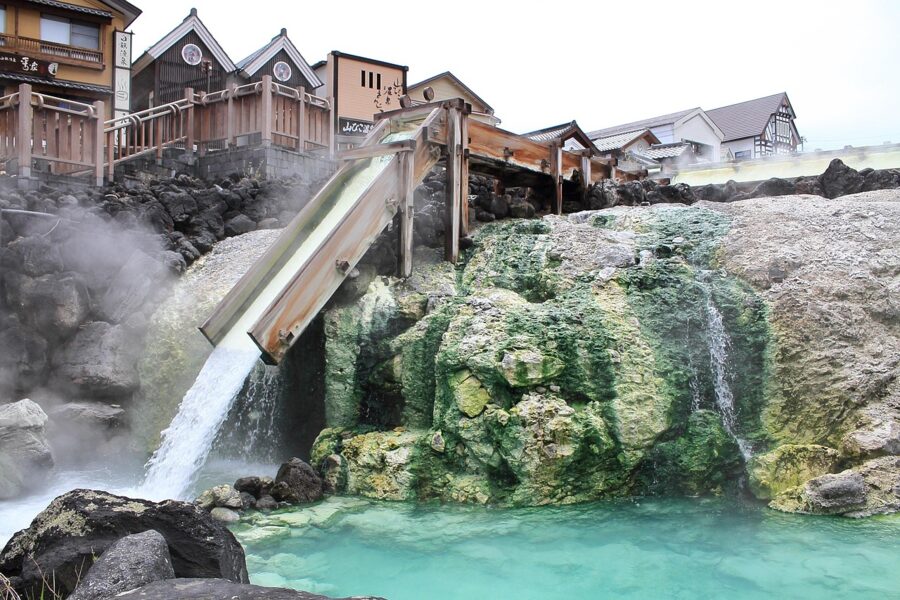
Kusatsu is the most famous hot spring in Gunma, high in the mountains near the Nagano border, and its food is snack food for walking between baths. The street from the Yubatake down to the Sainokawara park is lined with manju shops, many of them handing out warm samples at the counter.
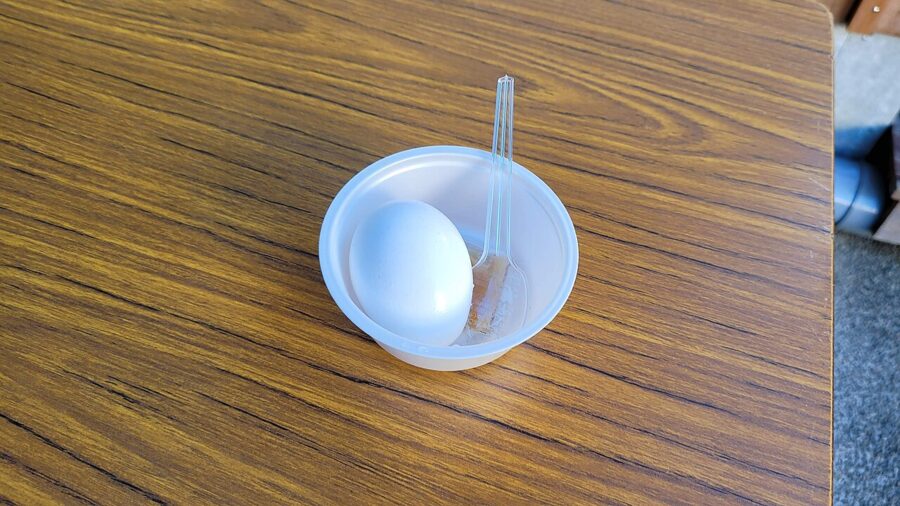
The other Kusatsu habit is onsen tamago, eggs cooked slowly in water from the springs until the yolk sets and the white stays soft. Eat one standing up, then another with a manju. Kusatsu is a long way from Gunma’s other food towns, about four hours by direct bus from Busta Shinjuku, so I would pair it with a night in a ryokan rather than a day trip.
Souvenirs and markets
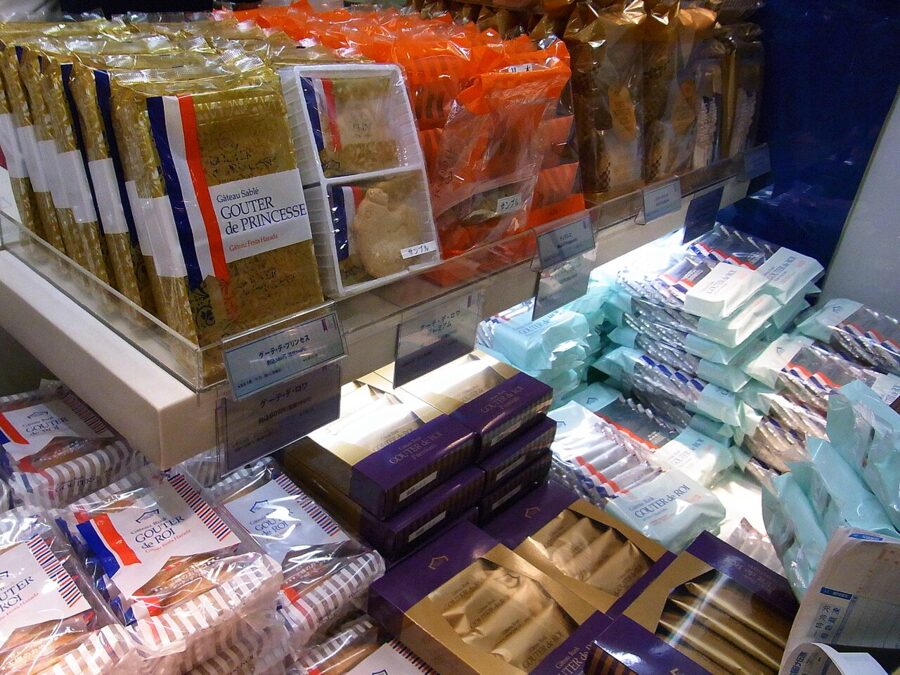
The best-known edible souvenir from Gunma may be one you have already seen in Tokyo. Gâteau Festa Harada, a bakery from the Shinmachi district of Takasaki, sells a buttery rusk called Goûter de Roi in shops at Tokyo Station and in department stores around Kanto, and its home store is a short trip from Takasaki.

The main store, Château du Bonheur, is two stops from Takasaki on the JR Takasaki Line, about ten minutes, then fifteen minutes on foot from Shinmachi Station. It is open 10:00 to 19:00 and closed only on January 1. The factory gallery at the head office is free, Monday to Saturday from 10:00 to 17:00 (last entry 16:40), and closed on Sundays.
For konnyaku, go to the source. Konnyaku Park in Kanra, a konnyaku maker’s factory and shop, has free entry, a free factory tour and a free buffet of about fifteen konnyaku dishes, from oden to dessert jelly. It opens 9:00 to 18:00 (last entry 17:30), with shorter hours on some days on its calendar, and the factory lines usually stand still on weekends. It is five minutes by taxi from Jōshū-Fukushima Station on the Jōshin Electric Railway.
Yakimanju travels better than you would expect. Shops sell kits of plain buns, a bag of miso sauce, a brush and skewers so you can grill them at home, and vacuum-packed buns that need only a few minutes in a hot pan. Mizusawa udon comes dried or half-dried in gift boxes from the udon houses, and Shimonita negi is sold in season by the box, soil still on.
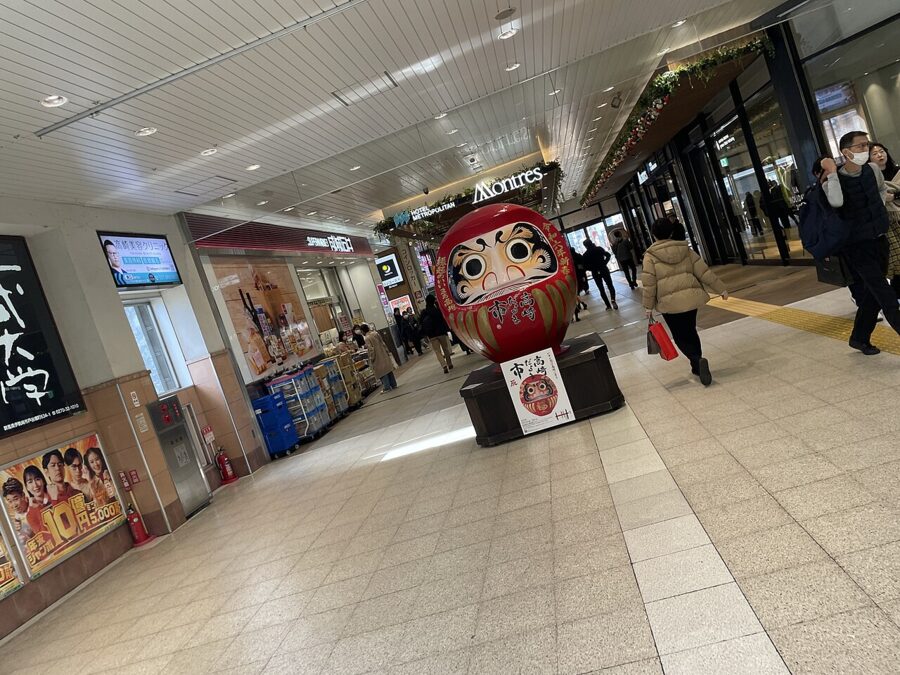

If you want something that is not food, buy a daruma. Takasaki is Japan’s best-known daruma town, and the station and the Daruma Market at Shōrinzan Daruma-ji each January are the places to choose one. Roadside stations (michi-no-eki) such as Michi-no-Eki Kanra, near Konnyaku Park, are where locals buy vegetables, konnyaku and pickles at farm prices.
A food day trip from Tokyo
The easiest food day in Gunma strings together Ikaho, Mizusawa and Takasaki: buns for a late breakfast, udon for lunch, a bento for the ride home. It works best on a weekday, when the queues are short, and it needs no car.
| Time | Where | What to eat |
|---|---|---|
| 8:05 | JR Bus from Busta Shinjuku | Coffee; save your appetite |
| 10:37 | Ikaho stone steps | Yu-no-hana manju at Shōgetsudō |
| 12:30 | Mizusawa | Cold Mizusawa udon, then the temple |
| Afternoon | Takasaki | Yakimanju; Daruma Bentō for the train |
| Evening | Shinkansen to Tokyo | The bento |
Start on the Jōshū Yumeguri highway bus run by JR Bus Kanto. Under the timetable in force since December 15, 2025, the 8:05 from Busta Shinjuku reaches the Ikaho Ishidangai stop, at the stone steps, at 10:37. Fares change on December 1, 2026 and vary by date, so book on the operator’s site, where the fare calendar for each departure is posted.
At Ikaho, go straight to Shōgetsudō before the manju sell out, then walk the steps. For the hop down to Mizusawa, take a taxi or the Gunma Bus Takasaki Ikaho Line, which runs between Ikaho, Mizusawa and Takasaki Station’s west exit. Eat at Mizusawa before 3 p.m.; the shops close when the noodles are gone.
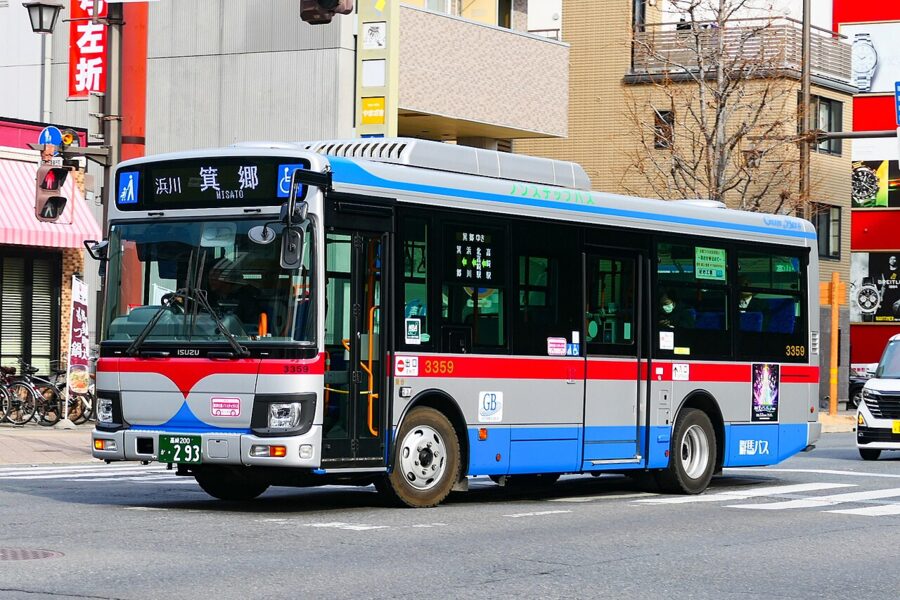
From Mizusawa, ride the same bus line down to Takasaki. Buy a skewer of yakimanju in town if Orita is open, pick up a Daruma Bentō at the station before 8:30 p.m., and take the Shinkansen back to Tokyo, about an hour. A reserved seat from Takasaki to Tokyo is about ¥5,100 (about $34) in the regular season under JR East’s March 2026 fares; the JR Pass covers it.
If you would rather see konnyaku than steps, swap the morning: Shinkansen to Takasaki, then the Jōshin Electric Railway to Jōshū-Fukushima and a taxi to Konnyaku Park for the free buffet. In December, ride on to the end of the line at Shimonita, where the leeks come from, and carry a bundle home for sukiyaki.
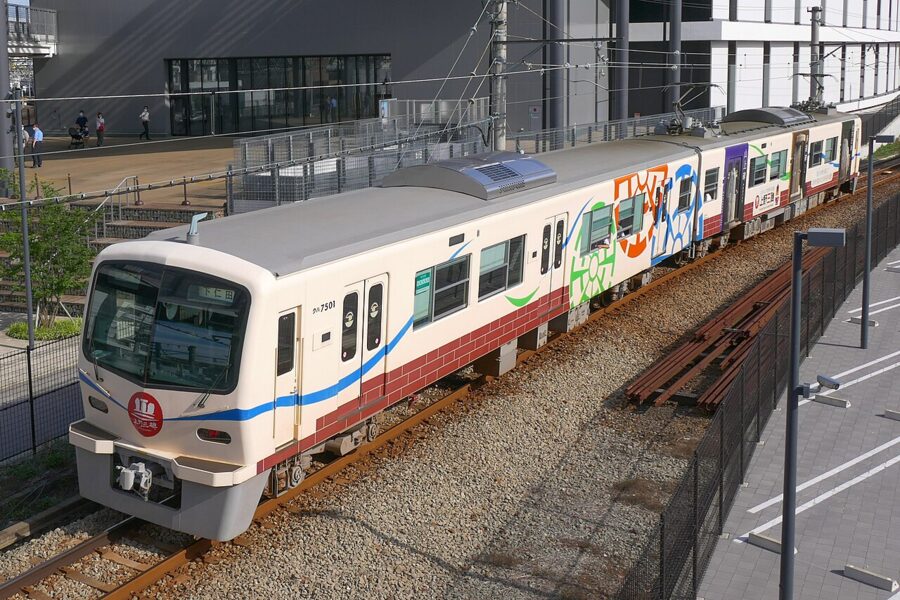

Either way, carry the konnyaku home and eat the wheat on the spot. Yakimanju is a bun that will not wait.