

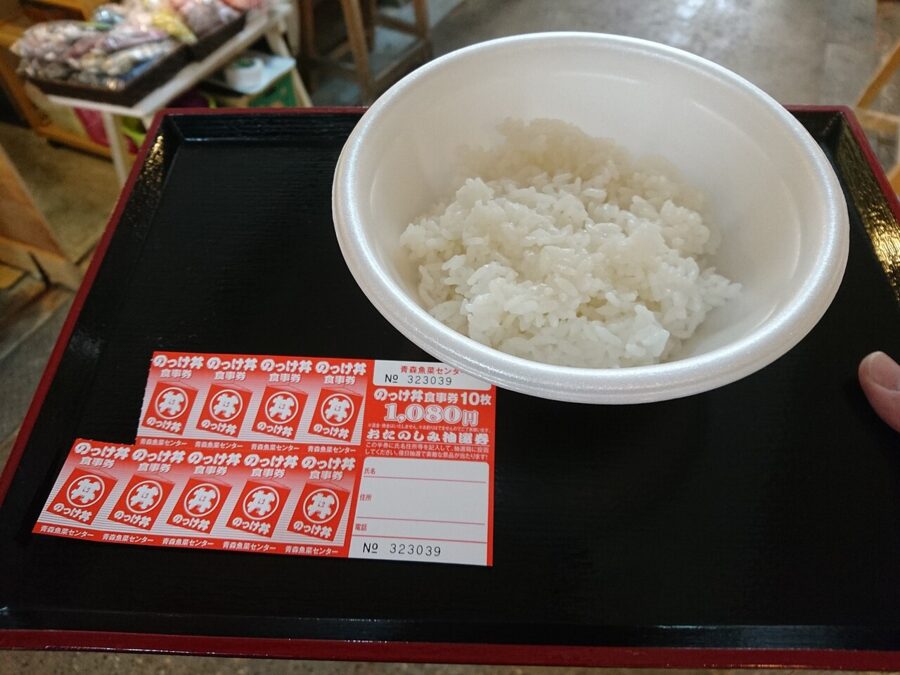
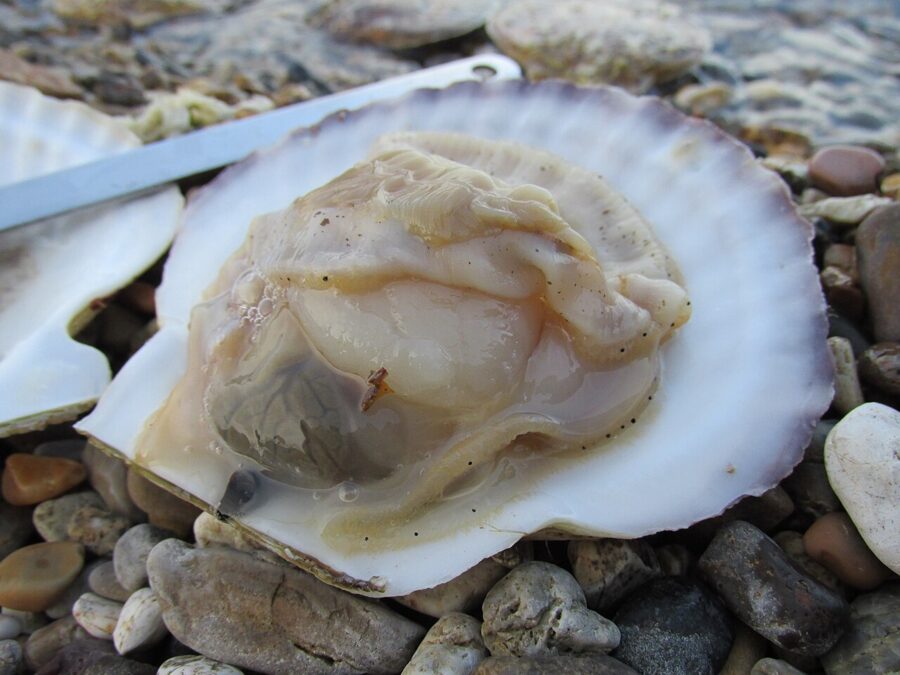
At Furukawa Market in Aomori City, ¥2,200 (about $14) buys a strip of twelve paper tickets, and the first one goes on a bowl of plain rice. Then you walk the aisles and hand over the rest one at a time: a ticket for lean tuna, three for the fatty belly, and so on down the counters. By seven in the morning the stalls are already trading tickets for scallops from the bay just past the station.

That bowl, nokke-don, is the easy introduction to Aomori food. The rest of the prefecture’s table is stranger and better: wheat crackers simmered in soup in Hachinohe, a ramen built on miso, curry powder and milk, fried noodles drowned in broth in Kuroishi, and a whole region of apple orchards that turns its fruit into pies, cider and curry. Most of these dishes are cheap, local and tied to one town, which is why they are worth the train ride.

Locals call the cheap end of this food B-kyū gurume (B級グルメ), “B-grade gourmet”: everyday dishes with a hometown attached. Aomori takes the category seriously. Hachinohe hosted the first B-1 Grand Prix, the national festival of these dishes, in 2006, and two Aomori towns have since won it.

Contents8 sections
- Tsugaru and Nanbu: why the menu changes halfway across
- The local dishes, one by one
- Seafood: the markets and the rice bowl you build yourself
- Apples, cider and Hirosaki's apple pies
- Ramen and noodles of the prefecture
- Festivals and seasons for food
- What Aomori food is famous for
- Getting there and two days of eating
Tsugaru and Nanbu: why the menu changes halfway across
Aomori is two old domains stitched together. In 1871 the Tsugaru lands in the west and the Nanbu lands in the east were folded into one prefecture, and the line between them still shows up in dialect, festivals and food. Tsugaru (Aomori City, Hirosaki, Kuroishi, Goshogawara) is rice, apples and Mutsu Bay scallops. Nanbu (Hachinohe, Towada, Misawa) faces the Pacific.
The Pacific side has a cold early-summer wind called the yamase, which ruined rice harvests often enough that families leaned on wheat and other grains. That is where the hard Nanbu wheat cracker comes from, and with it Hachinohe’s best-known soup. The Shimokita Peninsula in the far north, with Oma at its tip, is its own world of tuna, monkfish and long drives.
If you only have time for one side, I would pick Tsugaru for a first trip, since Aomori City and Hirosaki are close together on one rail line. Add Hachinohe if your dates include a Sunday.
The local dishes, one by one
Hachinohe senbei-jiru
Senbei-jiru (せんべい汁) is a soy-based soup with chicken or pork, mushrooms, burdock and leeks, into which you break a special Nanbu wheat cracker made for cooking. The cracker does not dissolve. It turns soft and chewy, closer to a dumpling than to soggy bread, and soaks up the broth.
The dish is said to date from the Tenpō famine of the 1830s in the old Hachinohe domain. A group of local promoters, the Hachinohe Senbei-jiru Kenkyūjo, formed in 2003 to push it beyond the region, helped launch the B-1 Grand Prix in Hachinohe in 2006, and took the top prize with it in 2012. Today it is on menus all over the city, from set-meal diners to market food courts.
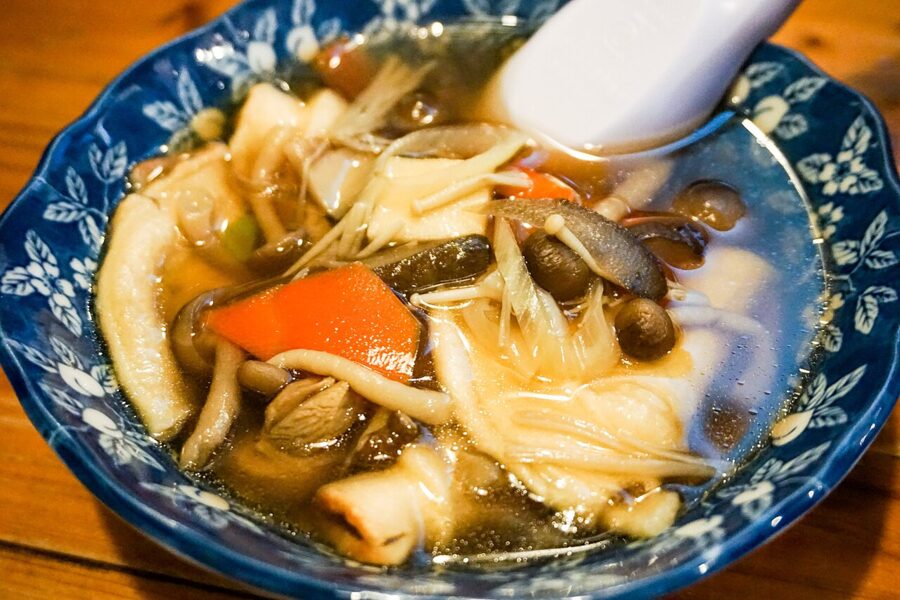

The easiest bowl for a visitor is at Hasshoku Center, the big fish market on the edge of Hachinohe, where the charcoal-grill hall serves it alongside rice and grilled rice balls.
Towada barayaki
Barayaki (バラ焼き) is thin-sliced beef belly and a heap of onions, soaked in a sweet soy sauce and cooked down on an iron griddle until the onions go soft and the sauce sticks. It is credited to Misawa, the base town east of Towada, after the war, and spread inland. Towada adopted it, formed a promotion group called the Towada Barayaki Zemināru in 2008, and won the B-1 Grand Prix’s Gold Grand Prix with it in 2014.
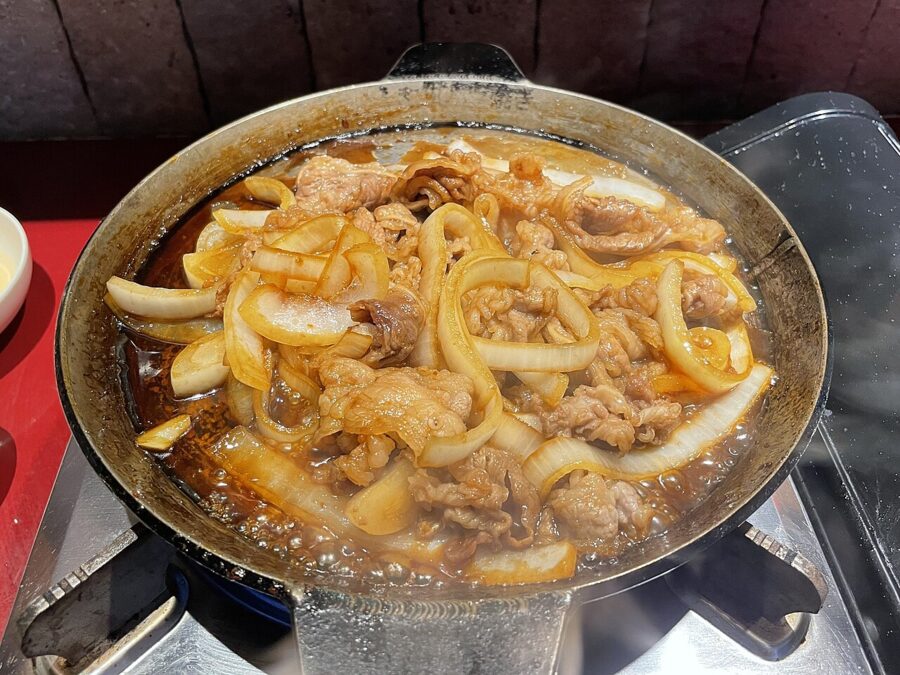

Around 80 places in Towada serve it. The one to aim for is Tsukasa Barayaki Taishū Shokudō (司 バラ焼き大衆食堂) on Inaoi-chō, the promotion group’s own shop, in the town center. Towada is about 30 minutes by car from Shichinohe-Towada Station on the Tohoku Shinkansen, so it pairs well with a day at Lake Towada or the Oirase Gorge.
Miso curry milk ramen
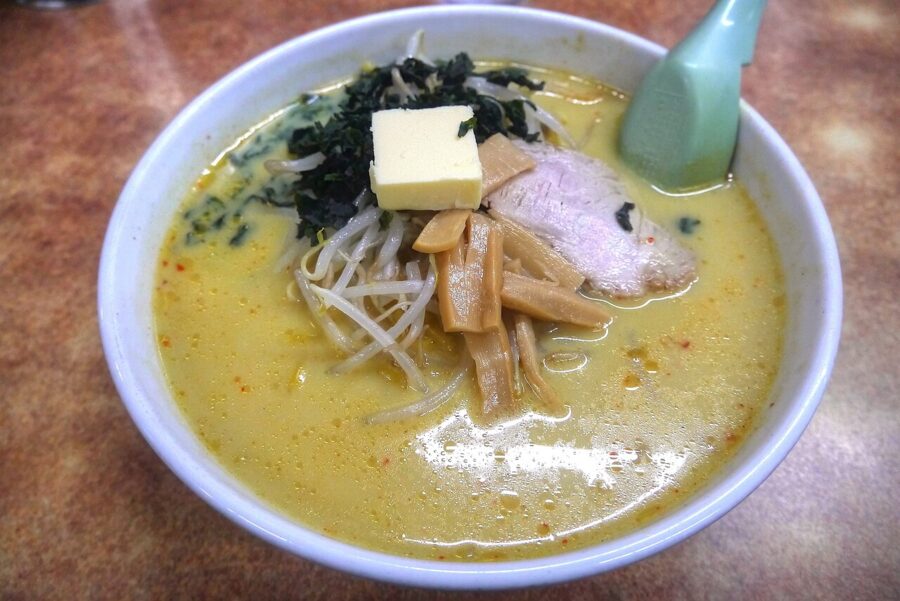
This is the one people dare each other to order, and it is better than it sounds. Miso karē gyūnyū rāmen (味噌カレー牛乳ラーメン) is a miso broth with curry powder and milk stirred in, topped with butter, bean sprouts, bamboo shoots and wakame. The milk softens the salt, the curry adds warmth rather than heat, and the butter melts into the lot.
It started at Aji no Sapporo, a ramen shop opened in Aomori City in 1968 by a cook from Sapporo. In the 1970s, students at its branch in a cinema building made a game of adding things to their bowls, and the miso, curry and milk combination stuck; the shop put it on the menu in 1978. Several shops in the city now serve it, but the line of descent runs to Aji no Sapporo Ōnishi (味の札幌 大西), about ten minutes’ walk from Aomori Station near Furukawa Market.
Aomori ginger miso oden
Shōga miso oden (生姜味噌おでん) is ordinary oden, the simmered daikon, eggs and fish cakes sold all over Japan, finished with a thick miso sauce loaded with grated ginger. The prefecture’s tourism body traces it to a food stall near Aomori Station after the war, which sold it to passengers waiting for the Seikan ferry to Hokkaido in midwinter. The ginger was there to warm them up.
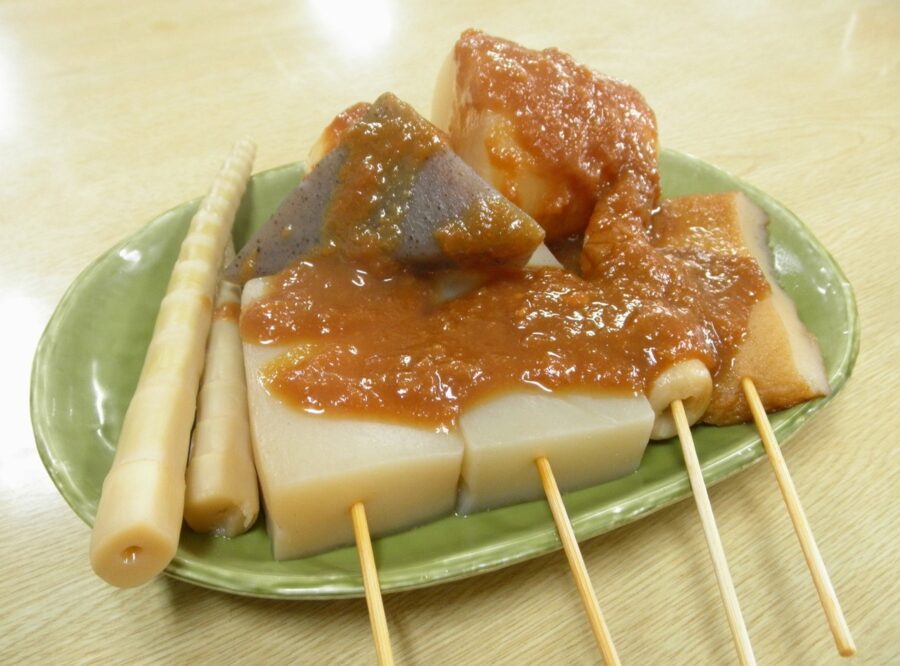

You will find it at izakaya and oden counters around Aomori Station, especially from late autumn. It is a dish for the evening, after the market and the ramen.
Kuroishi tsuyu-yakisoba
Kuroishi, a small town east of Hirosaki, has its own fried noodles: Kuroishi yakisoba, made with wide, flat noodles and sauce. In the early 1960s a shop called Mimasu in the town’s Nakagō district poured hot broth over a plate of them, and tsuyu-yakisoba (つゆやきそば), fried noodles in soup, was born.
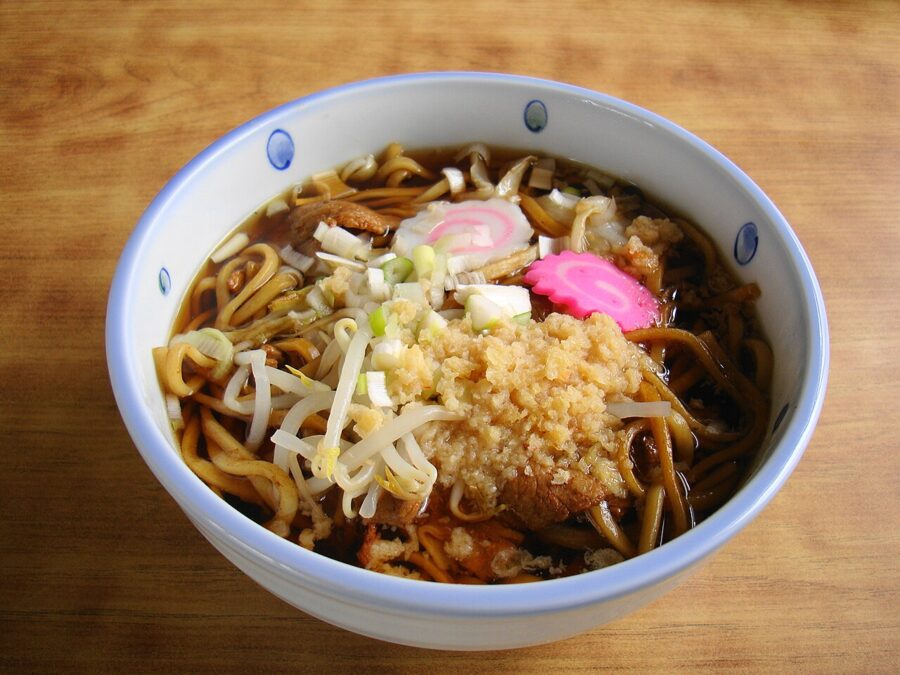
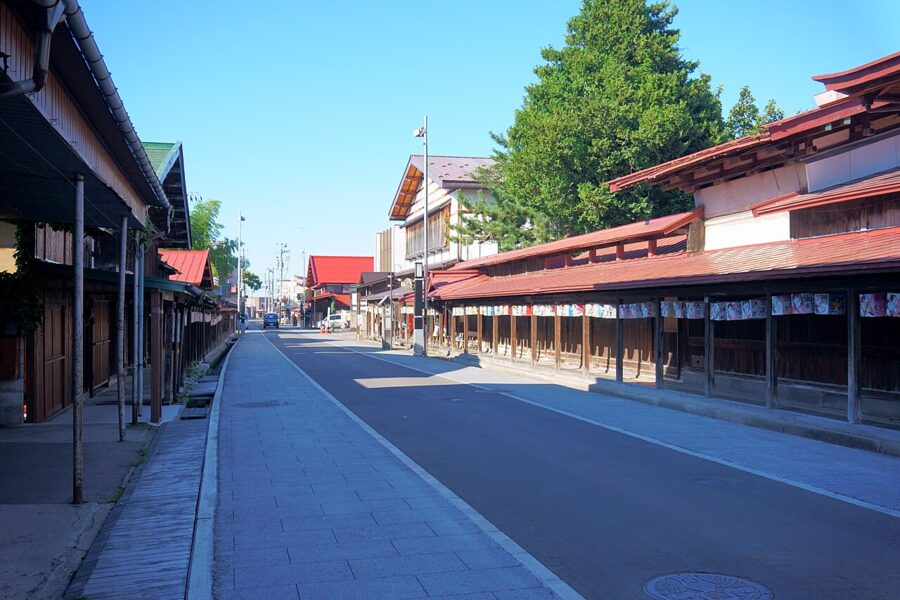
More than 70 places in Kuroishi serve one or both versions, each a little different. The town’s promotion group, the Kuroishi Tsuyu-yakisoba Denshōkai, works out of the Kuroishi Chamber of Commerce and can point you to current shops. Combine it with a walk along Nakamachi’s covered wooden sidewalks, the komise.

Hirosaki igamenchi
Igamenchi (いがめんち) is Tsugaru home cooking from inland Hirosaki, where seafood was once precious. Squid tentacles are chopped with a knife, mixed with whatever vegetables are in season, bound with flour and fried into small patties. In Tsugaru dialect, iga means squid.
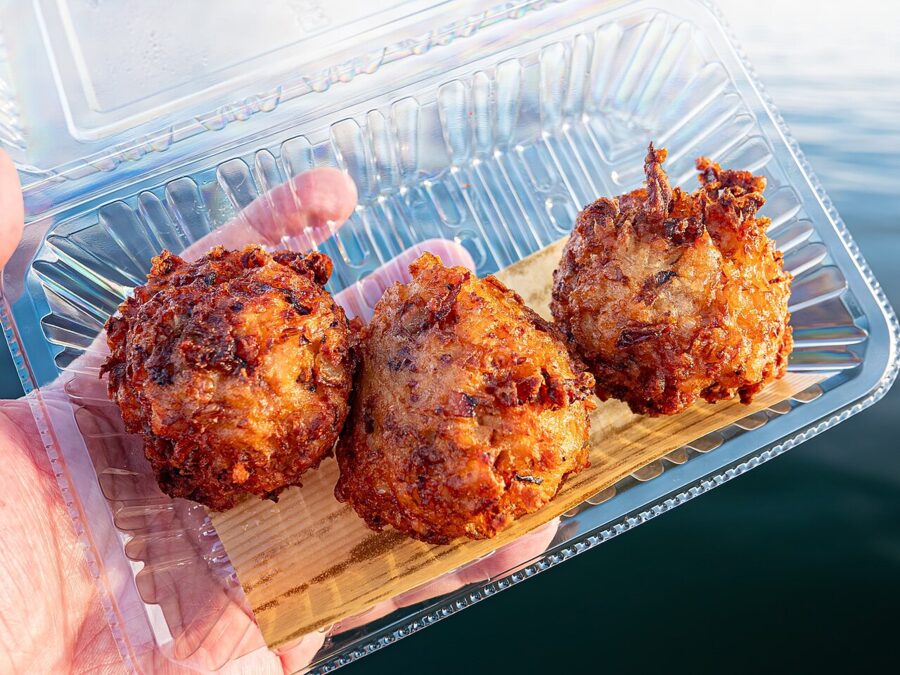

Look for it on izakaya menus in Hirosaki and at market stalls. Try one hot, with a beer.
Ichigo-ni
The name means “simmered strawberries”, and there is no fruit in it. Ichigo-ni (いちご煮) is a clear soup of sea urchin and thin-sliced abalone from the Pacific coast around Hachinohe and Hashikami, finished with a little shiso. The orange lumps of urchin in the cloudy broth were thought to look like wild strawberries.
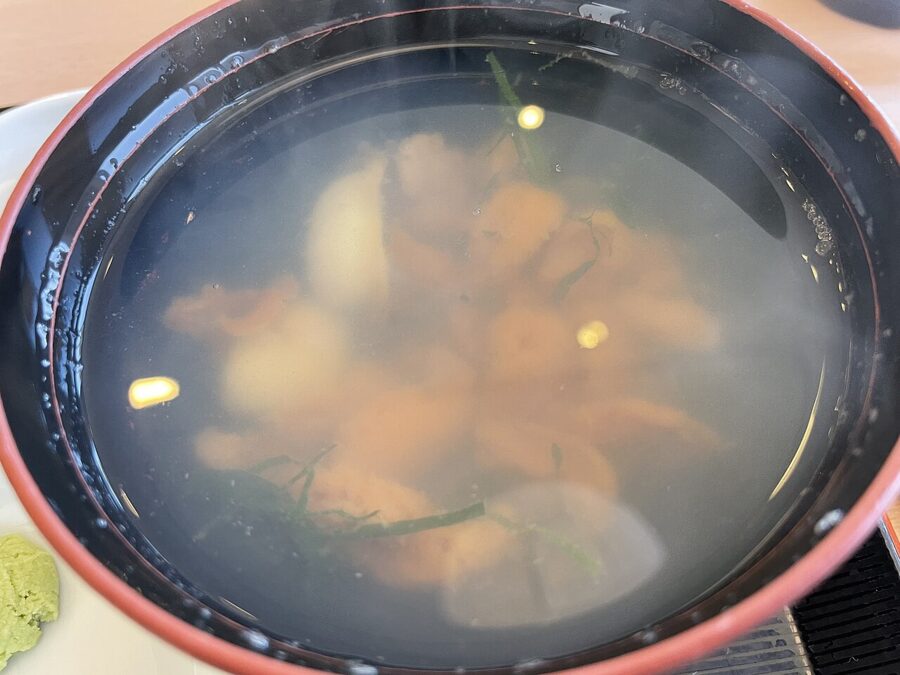

It is a celebration dish, served at New Year and on special occasions, and with urchin and abalone in it, it is never cheap. In Hachinohe it appears on the menus of seafood restaurants.
Kaiyaki miso
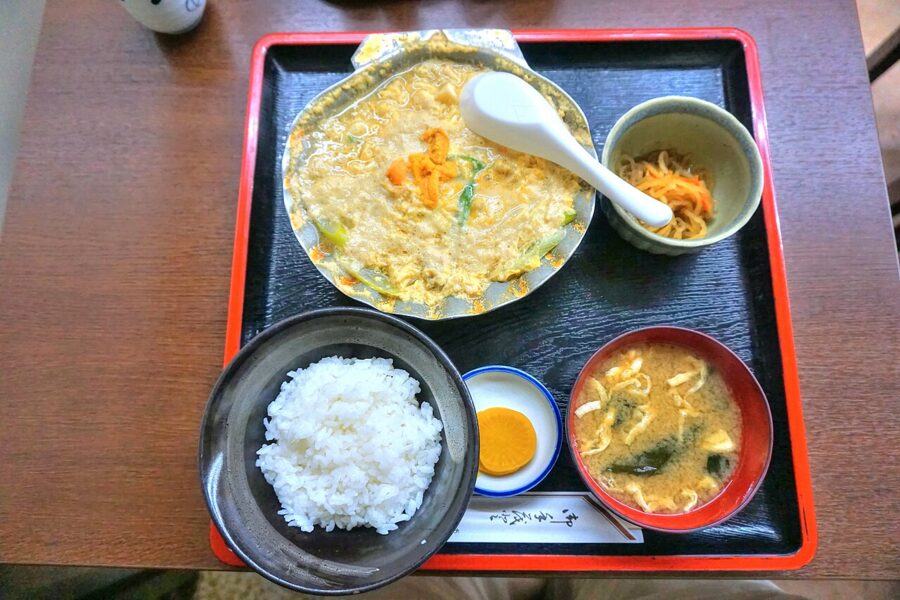
Kaiyaki miso (貝焼き味噌) uses a large scallop shell as a pan. Broth and miso go in, then scallop or fish, spring onion and a beaten egg, and the shell sits over the heat until the egg sets. Fishermen on Mutsu Bay are said to have cooked this way for centuries, and the dish is still home food in Tsugaru and Shimokita.

Keiran and jappa-jiru
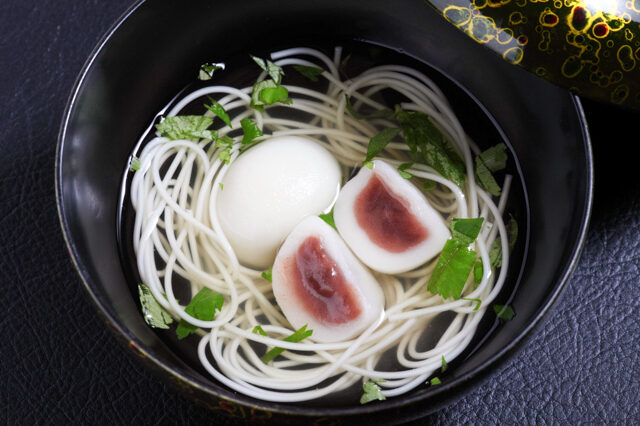
Two quieter dishes are worth knowing by name. Keiran (けいらん), from the Shimokita region, looks like boiled eggs in a clear soup; the “eggs” are rice cakes filled with sweet bean paste, in a salty kelp and shiitake broth. It came north from Kyoto in the Edo period and is still served at ceremonies.

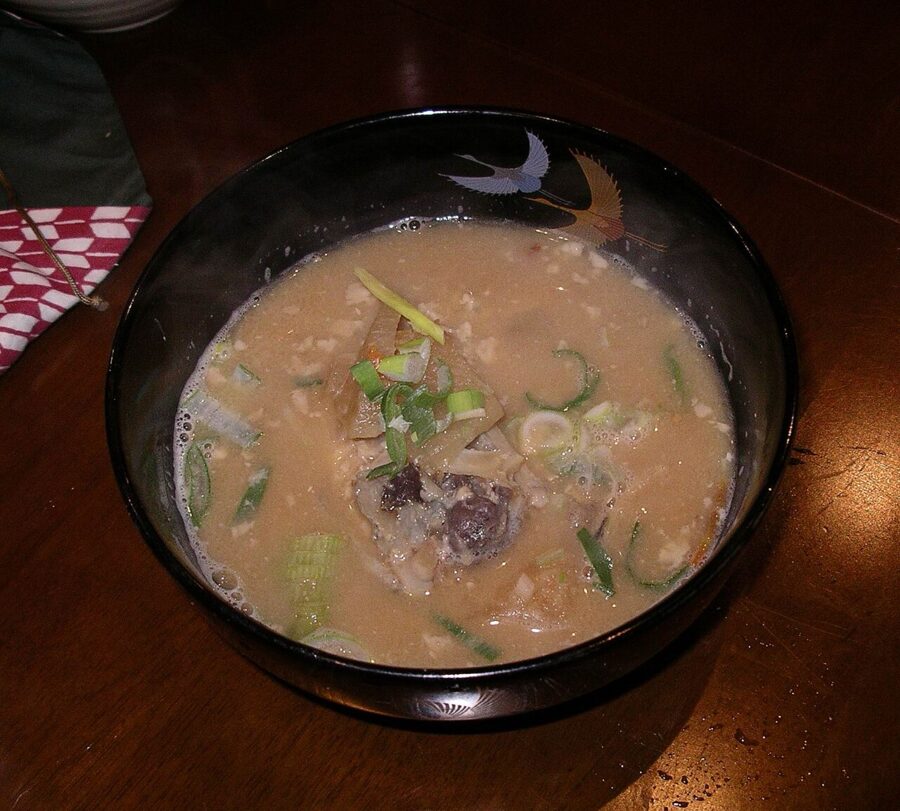
Jappa-jiru (じゃっぱ汁) is the winter one: a miso soup made with the head, bones and innards of cod, simmered with daikon, Chinese cabbage, tofu and konnyaku. Nothing of the fish is wasted, and the broth is rich. Look for it on izakaya menus from December.

Seafood: the markets and the rice bowl you build yourself
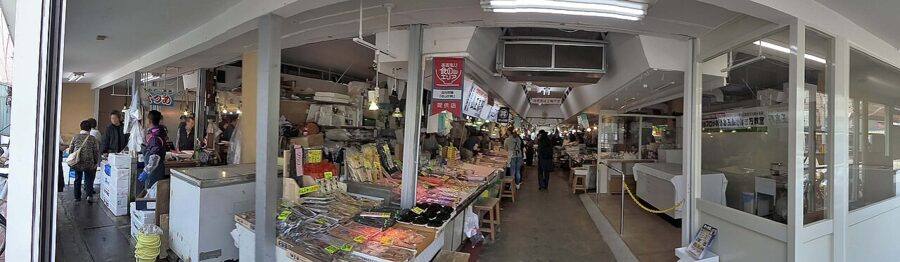
Nokke-don at Furukawa Market, Aomori City
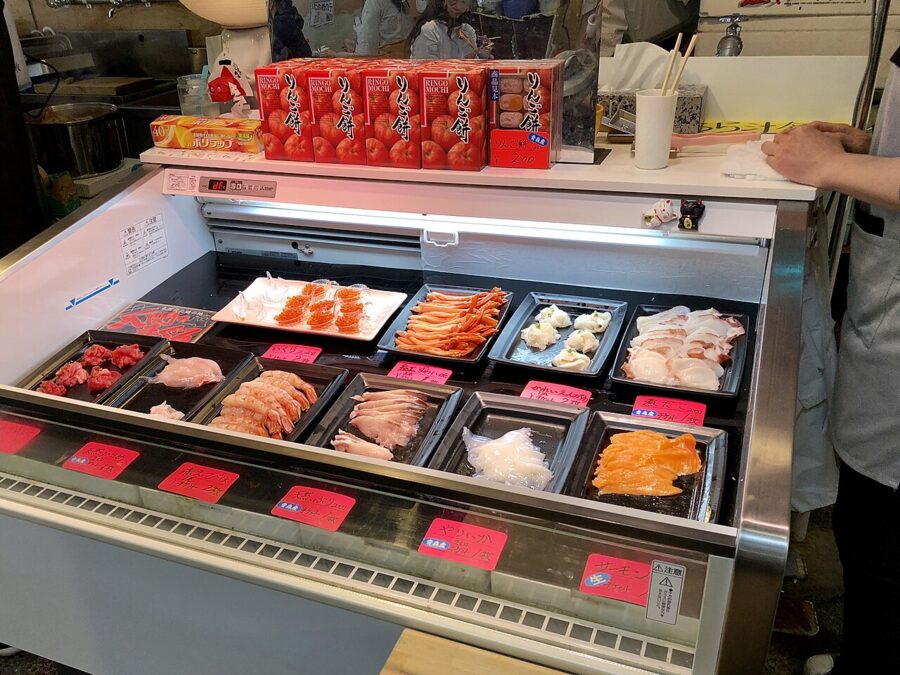
Furukawa Market, officially the Aomori Gyosai Center (青森魚菜センター), is a five-minute walk from JR Aomori Station. About 30 shops take part in nokke-don, which simply means “topped bowl”. It is the best breakfast in the city and, for most people, the first thing they eat here.

How it works, as of November 2026:
- Tickets: buy them at the nokke-don information counter. A booklet of 12 costs ¥2,200; single tickets are ¥190 (about $1) each.
- Rice: swap one ticket for a regular bowl, or two for a large one, at a stall with a red sign. Staff walk you to whichever rice stall has a fresh batch.
- Toppings: walk the three aisles and swap tickets for what you want. Lean tuna is one ticket, fatty ōtoro three. Miso soup, pickles and side dishes are on tickets too, and the butcher grills meat to order.
- Hours: 7am to 4pm, closed Tuesdays. Some days close at 3pm, and hours change around Golden Week, the Nebuta Festival, Obon and New Year, so check the calendar on the official nokke-don site.
- Rules: eat it in the market’s rest areas (there are 120 seats upstairs). No takeaway. There is no parking; use a coin lot nearby.
Leftover tickets cannot be cashed in, so plan your bowl. My advice: spend one ticket on Mutsu Bay scallops, one on whatever the counters say is in season, and leave one for miso soup. I think twelve tickets is about right for one hungry adult. Draft beer is sold for ¥500 (about $3) in cash.

Tatehana Wharf Sunday Morning Market, Hachinohe
The Tatehana Ganpeki Asaichi (館鼻岸壁朝市) is the reason to be in Hachinohe on a Sunday. Between March and December, about 300 stalls set up every Sunday along roughly 800 meters of fishing wharf at sunrise and pack away by about 8:30am. There is fish, produce from across northern Tohoku, and a lot of hot food to eat on the spot: coffee, ramen, soba and udon.
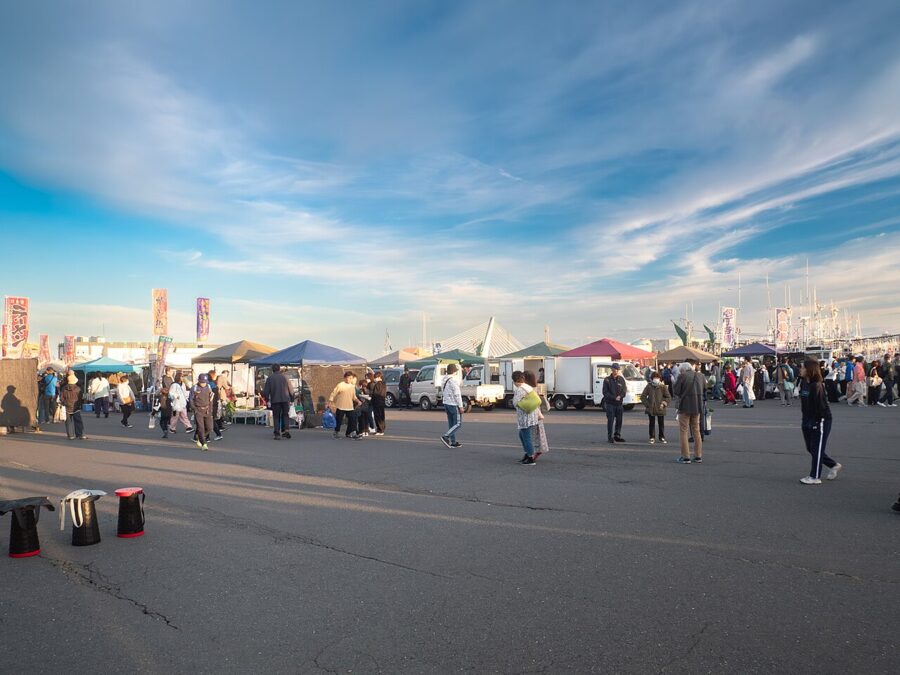

Getting there takes planning. The market’s own site lists a special early JR Hachinohe Line train, the Tatehana Ganpeki Asaichi-gō, leaving Hachinohe Station at 5:33am and reaching Mutsu-Minato at 5:46am, then a 20-minute walk (check the site for the dates it runs); a Sunday loop bus, the Isaba-gō, stops at Tatehana Gyokō-mae. As well as Sundays, the market opens on May 5, August 13 and December 30, and the 2026 season ends in December. Dress warmly in March and December: the wind comes straight off the Pacific.
Hasshoku Center, Hachinohe
If you miss the Sunday market, Hasshoku Center (八食センター) is open six days a week. It is a big market hall of 40 to 50 shops on the outskirts of the city selling fish, dried squid, seaweed and local sweets, with a food court attached.
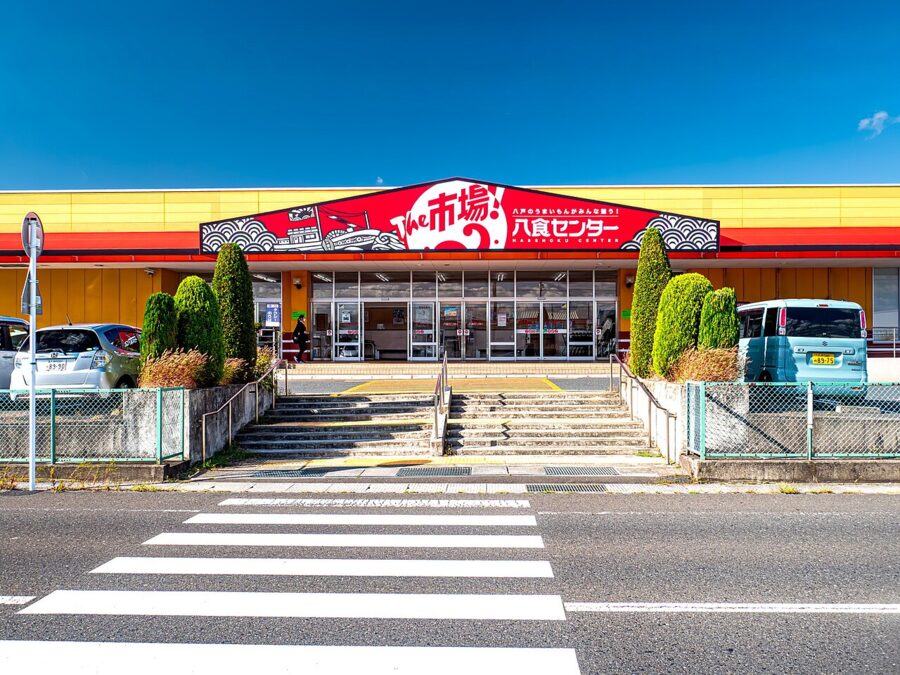

The draw is Shichirin-mura (七厘村), where you buy scallops, squid and fish at the stalls and grill them yourself on a charcoal shichirin at your table. Grills are ¥500 (about $3) per adult for two hours, with reception from 9am to 5pm. The market hall is open 9am to 6pm and closes on Wednesdays and New Year’s Day. A ¥150 (about $1) shuttle bus runs from stop 4 at the east exit of Hachinohe Station, as of the April 2026 timetable.
Oma tuna, Fukaura tuna and Ajigasawa flounder
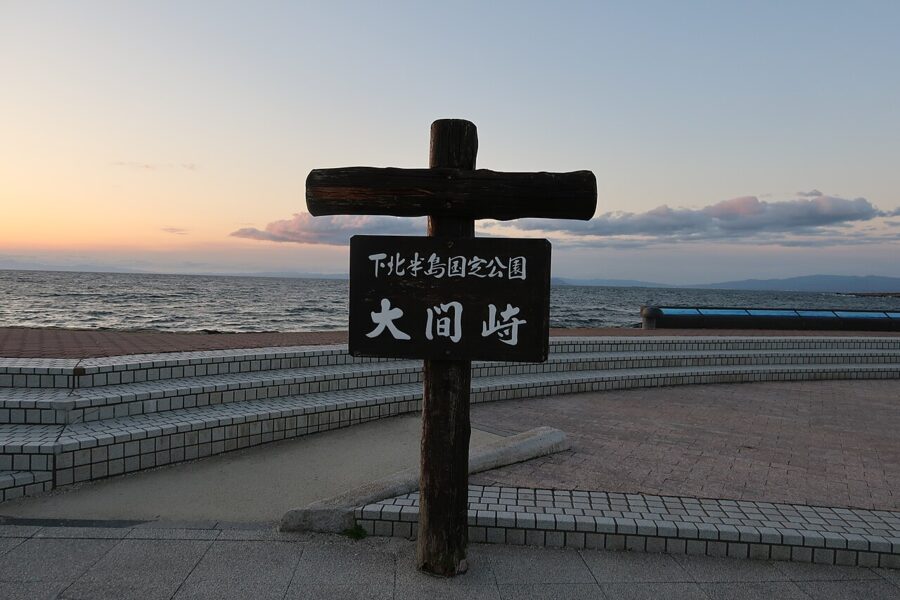
Oma, at the northern tip of the Shimokita Peninsula, is the name on Japan’s most expensive tuna. Its fishermen catch Pacific bluefin in the Tsugaru Strait one at a time on a pole or hand line, and the fish often top the first auction of the year in Tokyo. The prefecture’s tourism body records a 222kg fish from Oma sold for ¥155.4 million (about $970,000 at today’s rate) at Tsukiji in 2013.
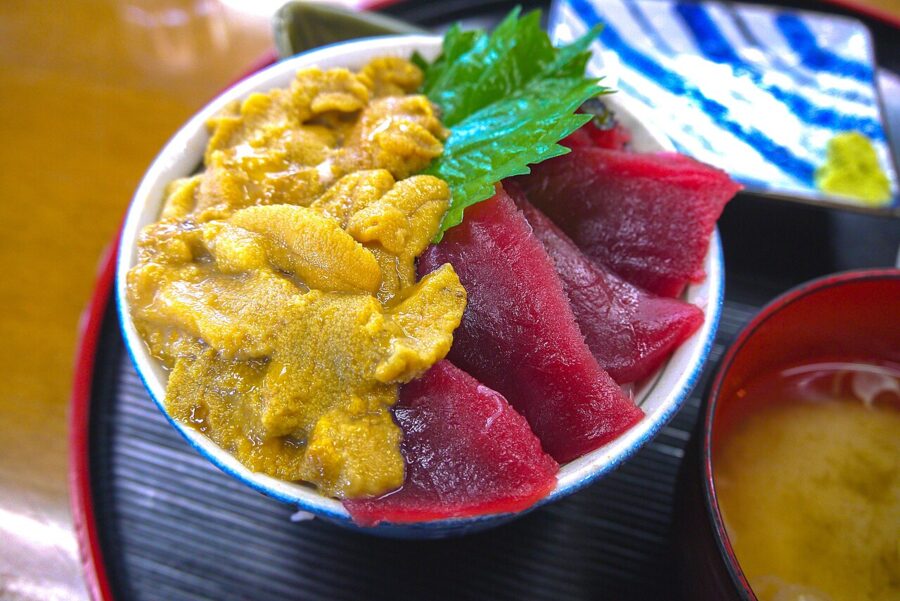

Oma is far: plan on a rental car or a long bus ride from Shimokita Station, and a night on the peninsula. For a cheaper taste of Aomori tuna, the Sea of Japan coast is easier.

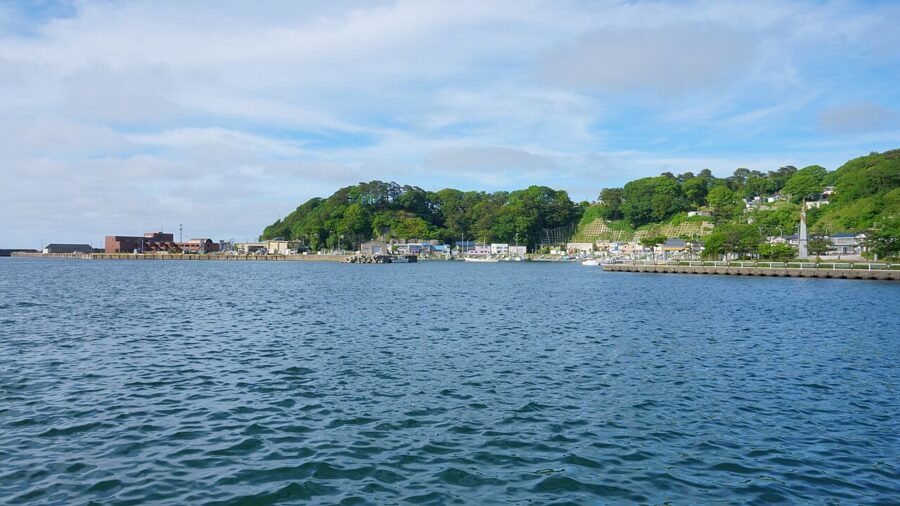
Fukaura, which lands more tuna than any other port in the prefecture, serves the Fukaura maguro steak-don, three small bowls of tuna (raw, seared on one side, seared on both) with three sauces. Ajigasawa, nearby on the Gonō Line, has the hirame no zuke-don, marinated flounder on rice, served by several restaurants in their own sauce. Both depend on the catch, so call ahead.

Apples, cider and Hirosaki’s apple pies
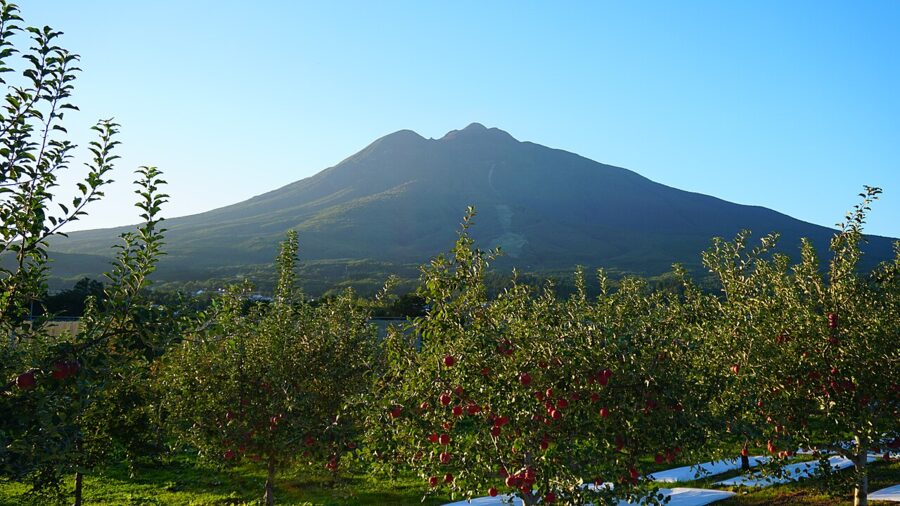
Aomori grows most of Japan’s apples. In the 2025 harvest the prefecture produced 351,400 tonnes, 61 percent of the national crop, according to the agriculture ministry. The orchards are thickest on the Tsugaru Plain around Hirosaki, where cool nights and warm days build sugar in the fruit. The season runs from early varieties in August to late Fuji in November, and stored apples are on sale all year.
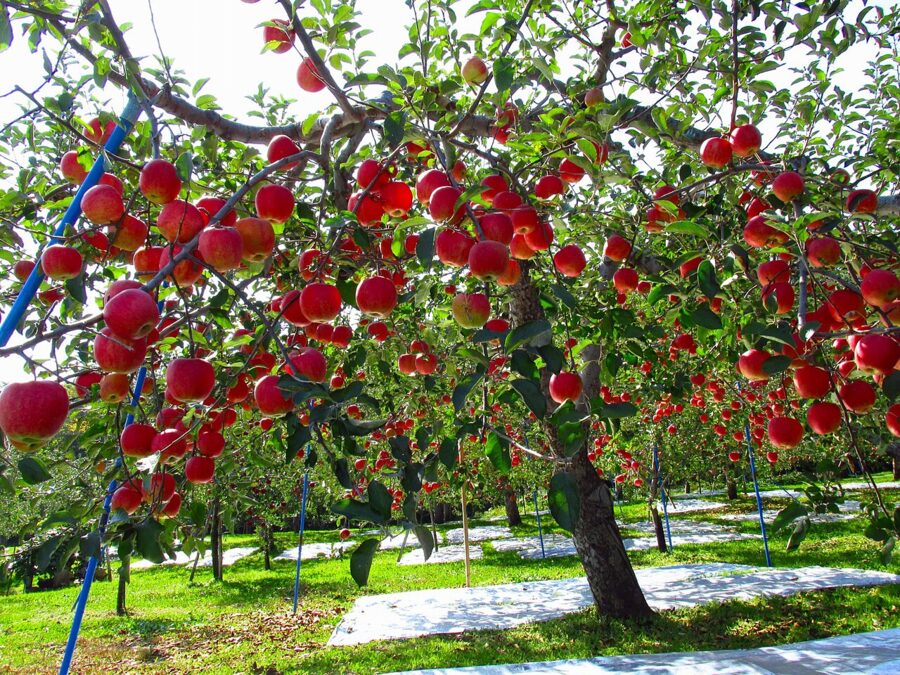

Hirosaki City Apple Park (弘前市りんご公園) is the easiest orchard visit: about 5.2 hectares with some 2,300 trees of around 80 varieties, and Mount Iwaki behind them. You can pick apples in its demonstration orchard from August to about mid-November, depending on the year’s crop. The Apple House shop sells around 1,200 apple products, the café does apple curry and apple sundaes, and the park’s cider works, Kimori, pours tastings.
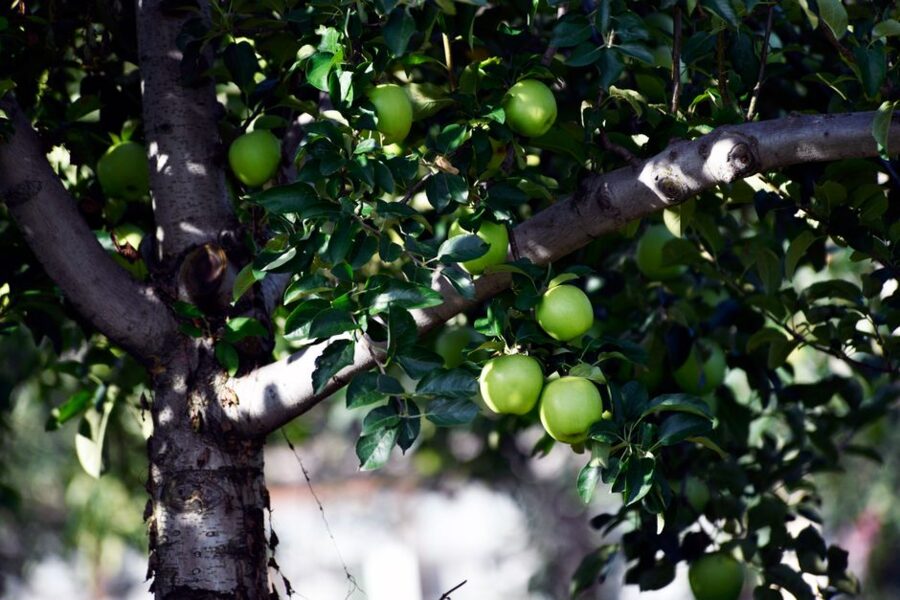
Hirosaki also takes apple pie seriously. The Hirosaki Tourism and Convention Bureau publishes an apple pie guide map that covers the city’s pies shop by shop; pick it up at the city’s tourist center or download it from the bureau’s site. I would buy slices from two bakeries and compare.
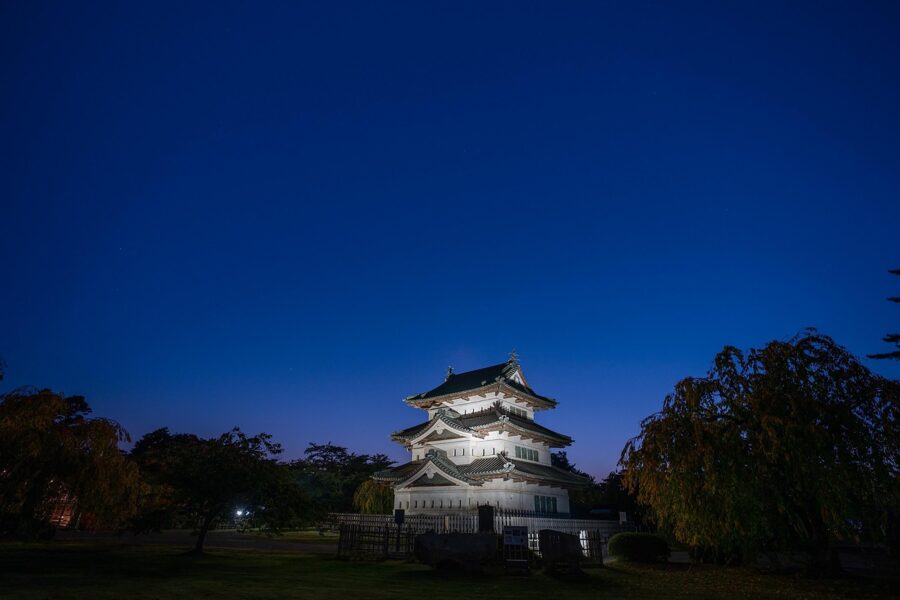
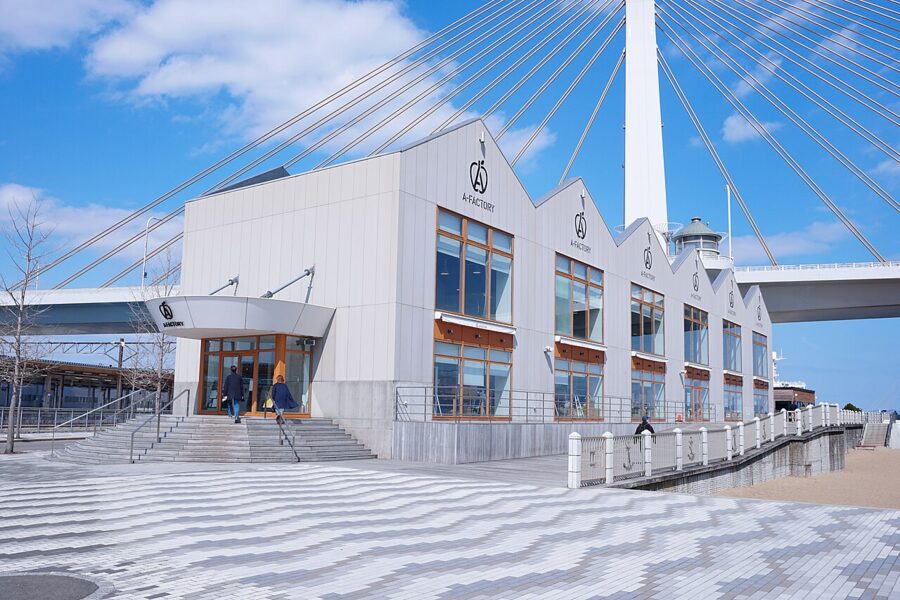
In Aomori City, A-Factory (エーファクトリー) is a one-minute walk from Aomori Station on the waterfront. It is a market hall for local sweets, juice and produce, built around a small cider works where you can watch the bottling through glass and buy tasting cards. As of October 2026 the shops open 10am to 7pm and the restaurants 11am to 6pm.

Ramen and noodles of the prefecture
Aomori has more ramen styles than its size suggests, and three of them are worth a detour. The miso curry milk bowl and Kuroishi’s noodles in soup are above; these are the rest.
Tsugaru niboshi ramen
Tsugaru ramen is built on niboshi, dried baby sardines, which give the soy broth a deep, slightly bitter fish flavor. The old style is light and clear. Newer shops in Aomori City push it much further, with thick, cloudy broths that taste powerfully of fish, and the city now has a reputation among ramen fans for exactly that.
Hachinohe ramen
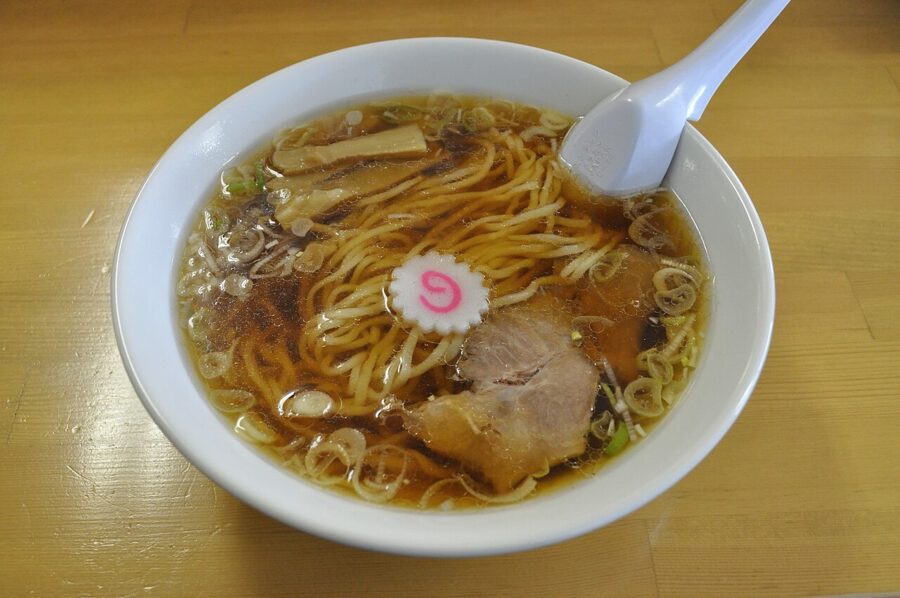
On the Nanbu side, Hachinohe ramen has been a city staple since the first half of the twentieth century. Thin, curly noodles sit in a light soy broth made from local sardines, chicken bones and pork bones. It is a gentler bowl than Tsugaru’s.

Jūsanko shijimi ramen and Owani bean-sprout ramen
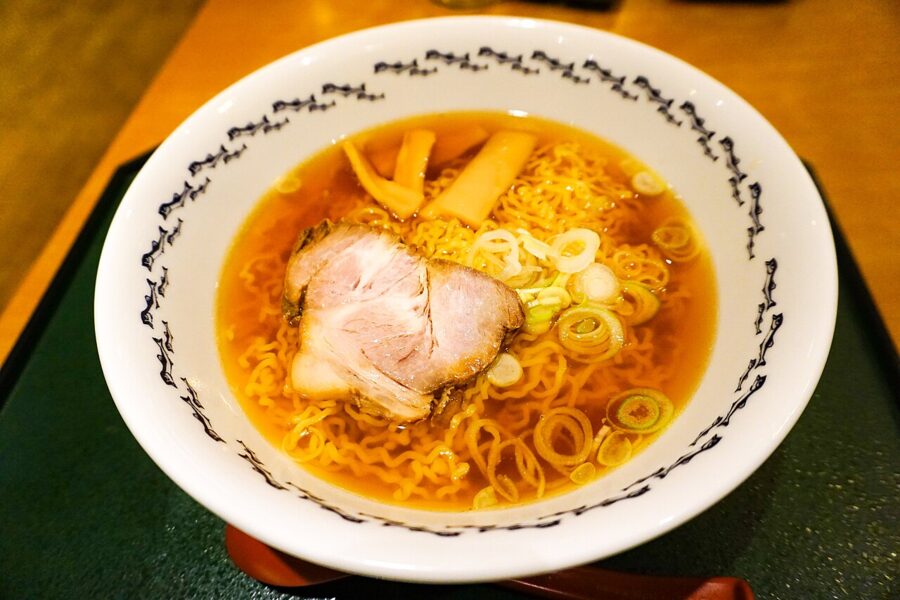
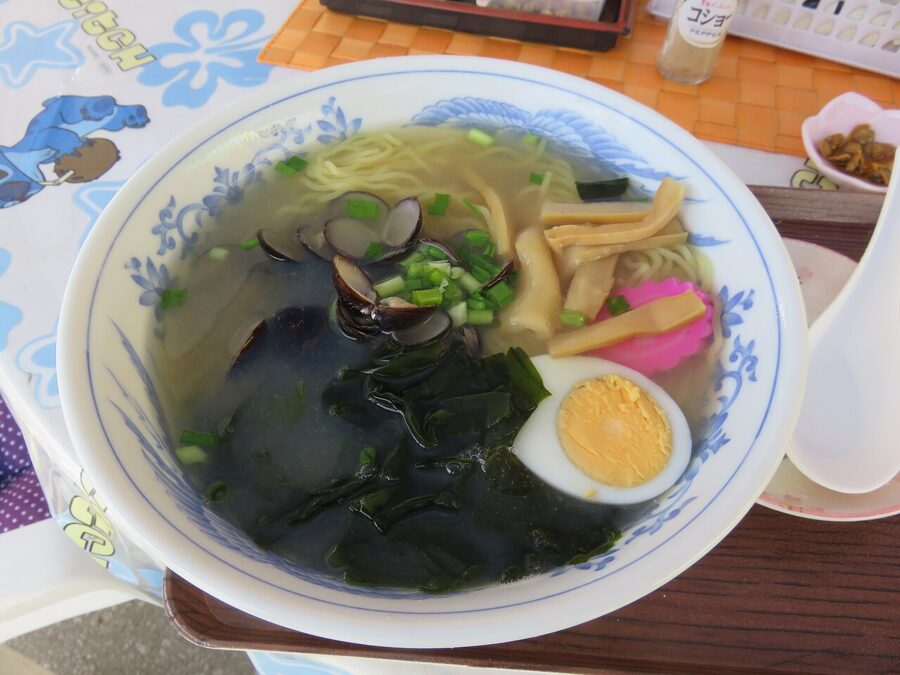
Lake Jūsan (十三湖), a brackish lagoon on the Tsugaru Peninsula north of Goshogawara, is known for shijimi, small freshwater clams. The local ramen uses a large amount of them both in the stock and on top, with egg, spring onion and wakame.
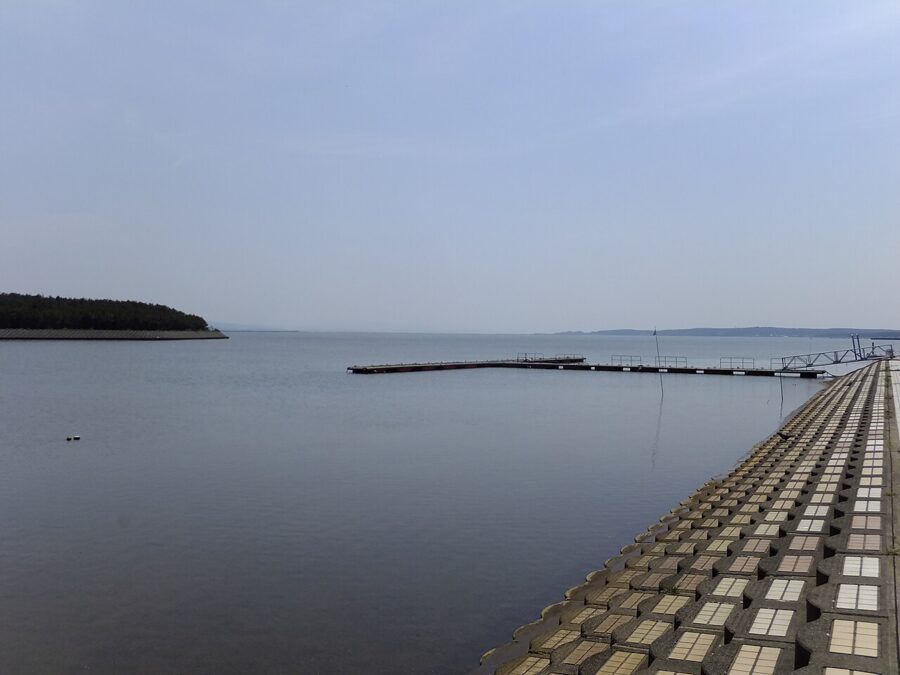

The clams also turn up on rice, as shijimi-don.

South of Hirosaki, the hot-spring town of Owani has grown bean sprouts in soil warmed by its springs for more than 400 years, using only hot-spring heat and water. The sprouts grow for seven days and stay crunchy and faintly earthy. Ramen in Owani comes piled with them.
Festivals and seasons for food
Aomori’s food shifts with the season more than most of Japan’s, and a few dates are worth building a trip around.
- Winter (December to March): jappa-jiru, ginger miso oden and monkfish from Kazamaura on the Shimokita Peninsula, in season from about November to early spring, with the liver at its best from December to February.
- Spring: the Tatehana market reopens in March and runs every Sunday until December.
- Summer: early apples from August, sea urchin season on the Pacific coast, and the Nebuta Festival.
- Autumn: apple harvest and picking, Oma tuna coming into its fattest season, and new-crop rice.
The stove train and its dried squid
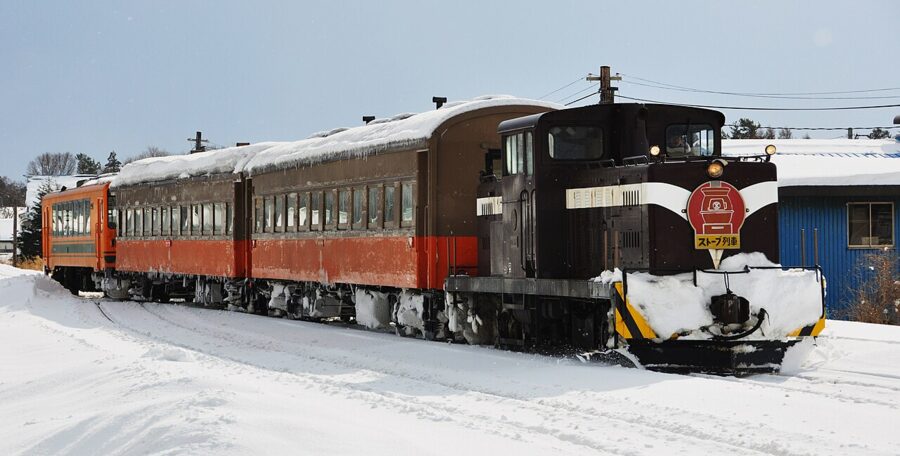
The Tsugaru Railway’s sutōbu ressha (ストーブ列車), the stove train, runs between Tsugaru-Goshogawara and Tsugaru-Nakasato with coal-fired pot-bellied stoves in its old carriages. Staff grill dried squid on the stove top, tear it into strips and hand it back to you, and many riders add a cup of local sake. It is the best snack on any train in Japan.
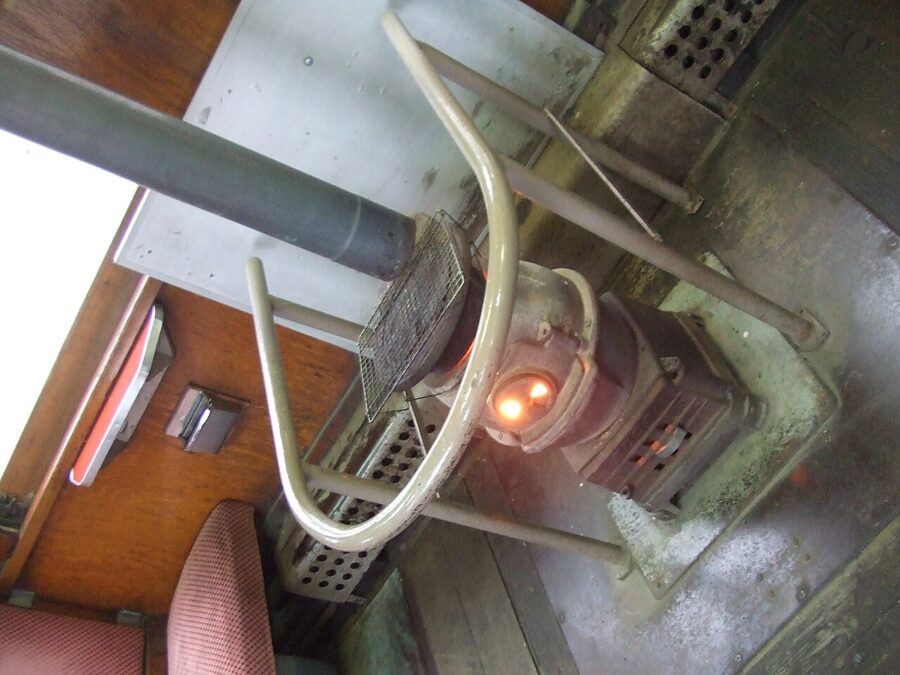

After a long suspension last winter, the railway says the stove train returns on December 1, 2026 and runs daily until March 31, 2027, three round trips a day.
Departures from Tsugaru-Goshogawara are at 9:35am, 12:00pm and 2:40pm. No reservations: buy the fare plus a ¥1,000 (about $6) stove-train ticket at the station window, cash only. Tsugaru-Goshogawara to Kanagi is ¥560 (about $4) each way, and the whole line is ¥870 (about $5). The noon train is the one that fills on weekends.

Nebuta in August
The Aomori Nebuta Festival runs every year from August 2 to 7, with huge lit paper floats pulled through the city at night. It is the busiest week of the year. Book a room early, and expect Furukawa Market to change its hours that week.
What Aomori food is famous for
What is the most famous food in Aomori? Apples, then Oma tuna. Among dishes, the ones locals name first are nokke-don, senbei-jiru, barayaki, ichigo-ni and miso curry milk ramen.
What is Aomori’s soul food? It depends which side you ask. In Aomori City it is ginger miso oden or miso curry milk ramen; in Hachinohe, senbei-jiru; in Towada, barayaki; in Kuroishi, tsuyu-yakisoba.
What can you only eat in Aomori? Miso curry milk ramen, Kuroishi tsuyu-yakisoba, igamenchi, keiran and Owani’s hot-spring bean sprouts are hard to find anywhere else. Nokke-don has imitators, but the ticket system started at Furukawa Market.
What should I bring home? Apple juice and cider, dried scallops, a pack of Nanbu soup crackers, canned ichigo-ni and local sake. A-Factory and Hasshoku Center cover most of it.
Getting there and two days of eating
The Tohoku Shinkansen’s Hayabusa runs from Tokyo to Shin-Aomori in about three hours, stopping at Hachinohe on the way. A reserved seat booked as a Shinkansen e-ticket costs ¥17,910 (about $112) in the regular season, as of JR East’s March 2026 fare change. The national JR Pass covers the route. From Shin-Aomori, local trains reach Aomori Station in a few minutes, and the Ōu Line continues to Hirosaki in about 40 minutes.
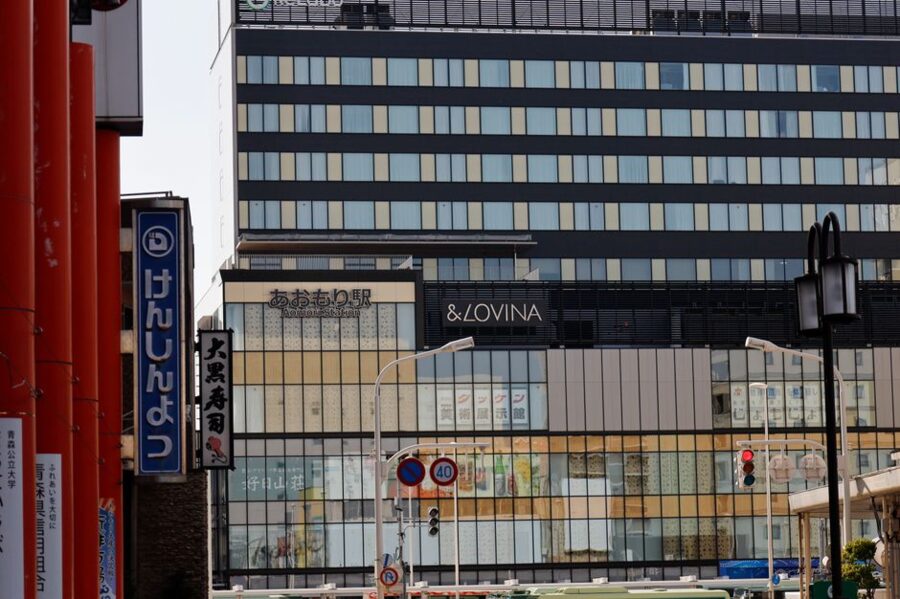
Day one, Aomori City and Hirosaki: nokke-don at Furukawa Market at 7am; the train to Hirosaki for apples, Apple Park and an apple-pie comparison; back to Aomori for miso curry milk ramen, then A-Factory; ginger miso oden near the station for dinner. Kuroishi is a short Kōnan Railway ride from Hirosaki if you would rather have tsuyu-yakisoba for lunch.
Day two, Hachinohe on a Sunday: the 5:33am train to the Tatehana market, breakfast from the stalls, then Hasshoku Center to grill scallops and order senbei-jiru. In the afternoon, take the shinkansen one stop to Shichinohe-Towada and head to Towada for barayaki.

Start with the rice. One ticket, then the scallops.