
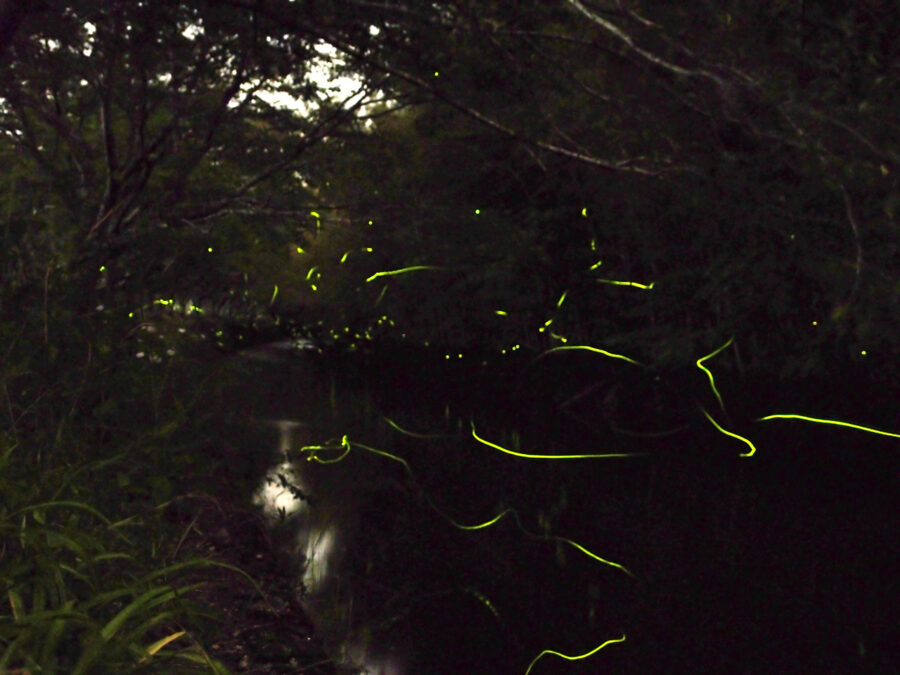

In June, the river valleys of Wakayama go dark at eight and then start to blink. The lights are Genji fireflies, males flashing green over the water about once every two seconds, and for two or three weeks a year they turn small mountain rivers across the prefecture into places people drive an hour to stand beside in silence.
Wakayama is one of the better places in Kansai to see them because it has what fireflies need: clean, fast streams and the snails that live in them. It also has volunteer groups who clear the banks, rear larvae and post updates on how many are flying each night. What it lacks is public transport after dark, and that decides which spot you should pick.
The best of them run from the Kishi River, a ten-minute walk from a station famous for its cat stationmaster, to the Kumano valleys in the south. Down there the season starts a couple of weeks earlier.


Contents7 sections
When the fireflies fly
The short answer is mid-May to late June, earlier the farther south you go. A Genji firefly lives as an adult for only two to three weeks, so each river has a peak of a week or so inside that window, and it shifts with the weather. A warm spring brings it forward. In 2026 the Kishi River volunteers moved their opening night up by a week.
The south goes first. Around Aridagawa, Hidakagawa and Tanabe the season usually runs from mid-May into early June. The Kishi River in Kinokawa follows in late May and early June, and the cooler mountain streams of the north, around Katsuragi and the Tomobuchi valley, are at their best through June.
| Spot | Usual window | What 2026 looked like |
|---|---|---|
| Taguchi Sabo Park, Aridagawa | Mid to late May | Peak forecast for May 15 to 19 |
| Gengo, Takatsuo and Sōgawa, Hidakagawa | Mid-May to early June | Gengo firefly evening on May 30; all three past peak by mid-June |
| Nagano, Tanabe | Late May to mid-June | First two seen in late April, about 20 by May 8 |
| Kishibe no Sato, Kinokawa | Late May to early June | Viewing opened May 25 and closed June 1 |
| Amano and Shiga, Katsuragi | Early to mid-June | Fewer than usual; past peak by June 22 |
| Tomobuchi and Hosono, Kinokawa | Mid to late June | Tomobuchi still at its peak on June 19; Hosono festival June 20 |
The rainy season matters as much as the calendar. By the Japan Meteorological Agency’s figures, Kinki’s rainy season starts around June 6 in an average year, and in 2026 it began around June 2. The best firefly nights fall inside it: warm, muggy and still, ideally after a day of rain. A cold night, a windy one or a downpour keeps them down in the grass.

Where each year’s dates are announced
There’s no single calendar. Each town posts its own updates in Japanese from mid-May, and these are the ones worth watching:
- Hidakagawa Town Tourism Association (日高川町観光協会) posts a flight report for its three firefly districts, rated from zero to five stars and updated through the season.
- Kinokawa City’s tourism promotion division (紀の川市観光振興課) publishes a list and a map of the city’s viewing spots each year, with dates and hours, and posts changes such as early closures.
- Katsuragi Tourism Association (かつらぎ観光協会) posts a firefly bulletin for Amano and Shiga.
- Wakayama Prefecture Tourism Federation (和歌山県観光連盟) lists Taguchi Sabo Park with a forecast peak, and rounds up each month’s events.
- The local papers, the Wakayama Shimpo, the Hidaka Shimpo and the Kii Minpo, report first sightings and festival nights.
Search for ホタル (firefly) plus the place name and you’ll find them. Read the dates against the weather. If the posts say it’s peak week and it rained yesterday, go tonight.
Genji and heike: telling them apart
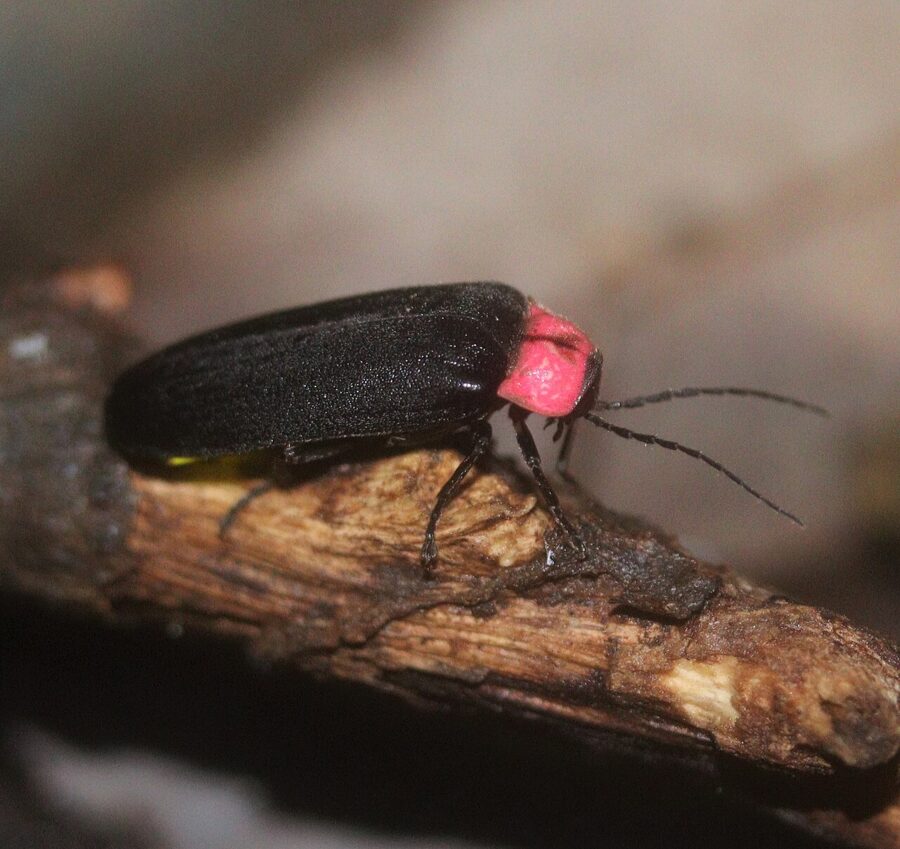
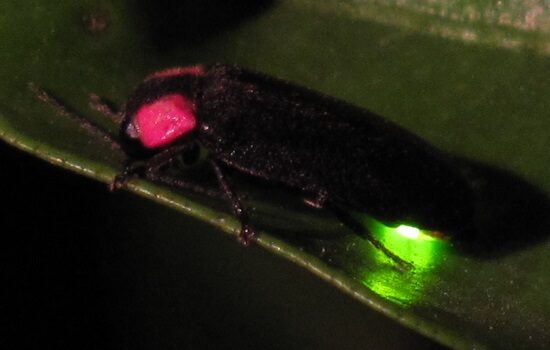
Wakayama’s rivers have two fireflies worth knowing. The Genji-botaru (ゲンジボタル), Nipponoluciola cruciata, is the big one, about 15 millimeters long and found only in Japan. Almost every spot below is known for it.
Its larvae live in clean, fast water and eat kawanina (カワニナ), a freshwater snail, which is why the volunteer groups farm snails as carefully as fireflies. In spring the grown larvae crawl out on rainy nights, dig into the soft riverbank and pupate there. The adults that come out in May and June drink only water, live two to three weeks, and spend the day in long grass by the river.
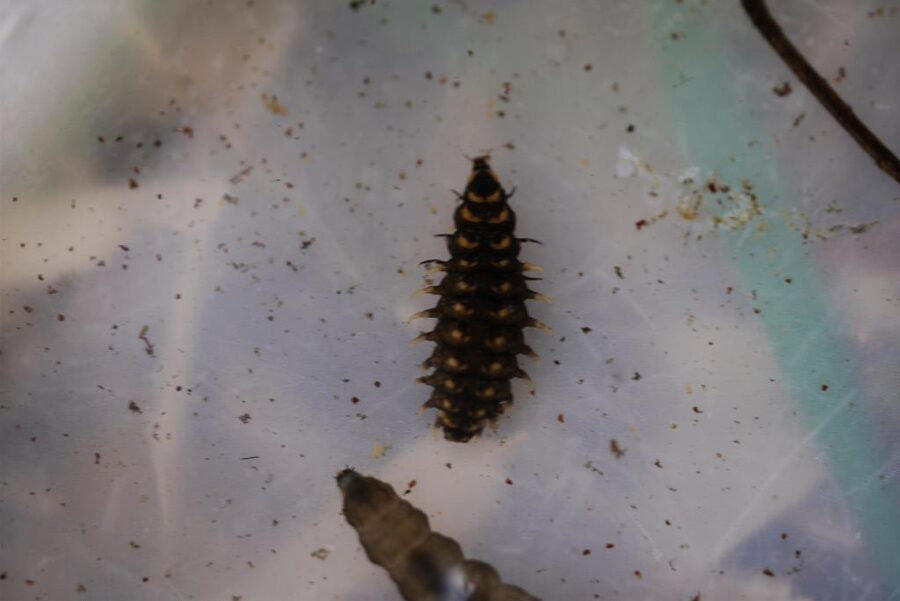

The flash is the easy tell. Western Japan’s Genji fireflies flash about once every two seconds, twice as fast as eastern Japan’s, which flash about every four, with the dividing line running roughly through central Honshu. The males fly over the water. The females stay low on the plants along the bank and answer them.
The Heike-botaru (ヘイケボタル), Aquatica lateralis, is smaller, and its light is a quick twinkle rather than a slow pulse. It breeds in still water, rice paddies and marshes, and its season is longer and less concentrated than the Genji’s. In Wakayama the place to see both on one night is Egawanaka in Kinokawa, which the city lists for both species.

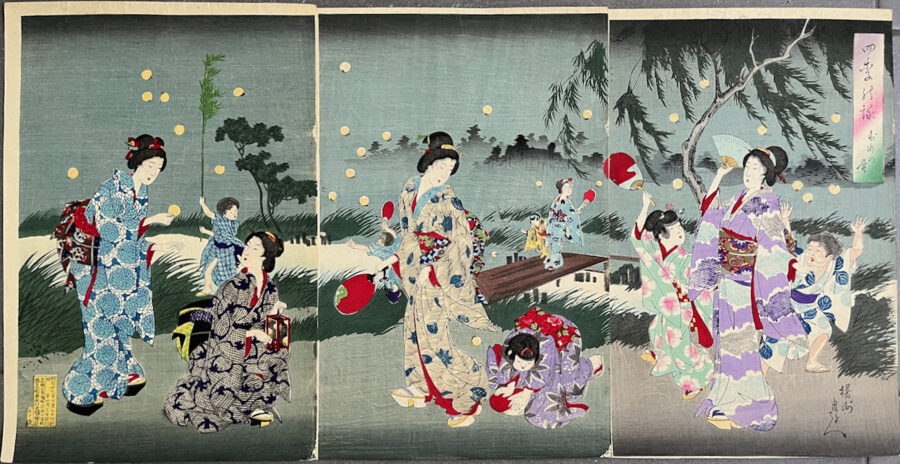
The names come from the Genpei War of the 1180s, the Minamoto clan (Genji) against the Taira (Heike). One story makes the bigger firefly the spirit of Minamoto no Yorimasa, who died fighting the Taira and kept fighting as a firefly. Another ties “Genji” to the shining prince of The Tale of Genji. Either way, the side that won the war got the bigger insect.

The spots, north to south
Eight places, from a station-side pond you can reach by train to valleys you can only reach by car. Access details come from each town’s own listing. Check the year’s dates before you set off.
Kishibe no Sato, Kinokawa: the one you can reach by train
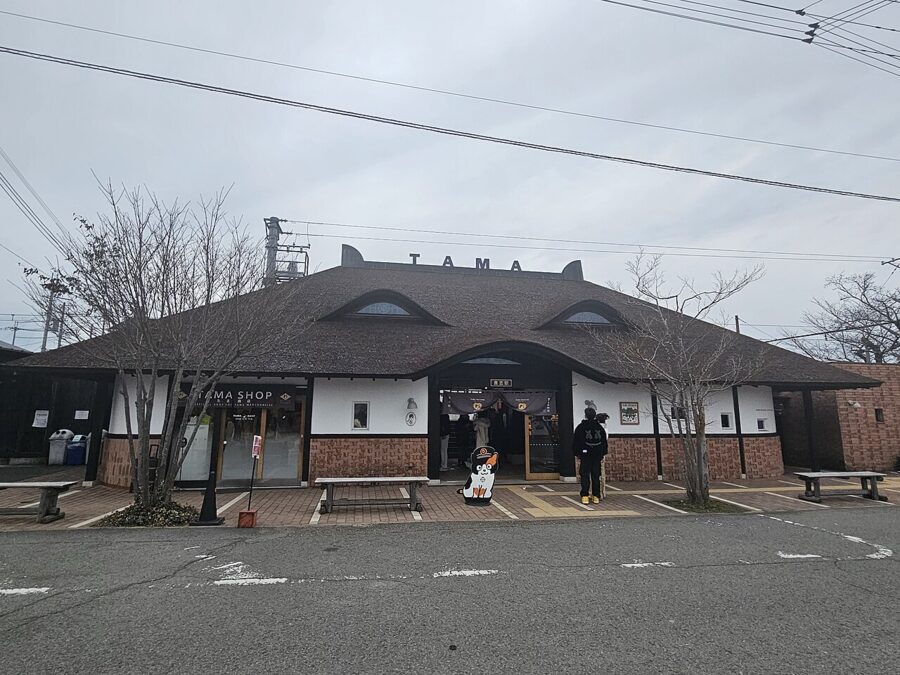
Kishibe no Sato (きしべの里) is a riverside park on the Kishi River (貴志川) in the Kishigawa district of Kinokawa, just upstream of the Shin-Moroi Bridge. It’s about ten minutes on foot from Kishi Station, the last stop on the Wakayama Electric Railway’s Kishigawa Line. No other spot below lets you step off a train and be at the fireflies before they start.
These fireflies are reared, not wild. A volunteer group, the Kishigawa Genji-botaru o Sodateru Kai (貴志川ゲンジボタルを育てる会), raises the larvae in a breeding pond, releases the adults at a viewing pond above the park, and runs the viewing evenings every year. During the season the small Hotaru no Yakata (ほたるの館), a firefly house, opens with displays on the insects. It’s a managed show rather than a wild one, and I’d still go here first if I had one night and no car.
In 2026 viewing ran nightly from 8:00 to 9:30 pm. The fireflies came out early, so the group brought the start forward to May 25, then ended the season on June 1 with a typhoon approaching. Parking on the riverbed is limited, and the city asks visitors to come by train or share a car.
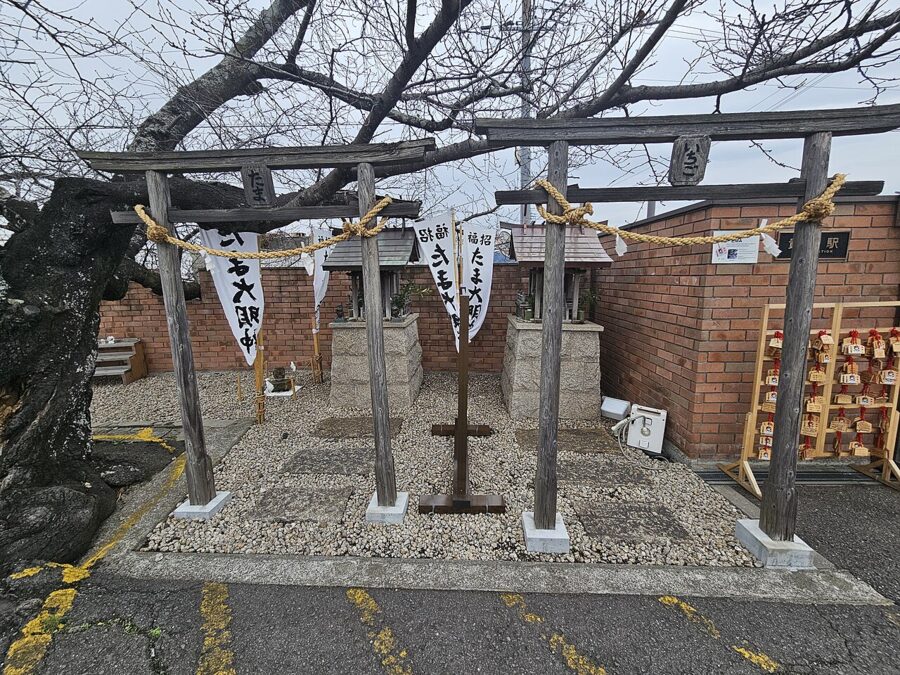

Come in the afternoon and make a half day of it. The station’s current cat stationmaster, Yontama, works at Kishi on a schedule the railway posts online, and the station café sells drinks, gelato and snacks from 10:00 to 4:00 (as of November 2026). It closes hours before the fireflies come out, so plan dinner elsewhere.
From JR Wakayama Station the Kishigawa Line takes about half an hour to Kishi. The fare is ¥480 (about $3) each way since the July 2026 fare rise, and a one-day pass is ¥1,200 (about $8), worth it only if you stop along the way. In the evening, trains back from Kishi run roughly every half hour, with departures around 9:45 and 10:15 pm on the November 2026 timetable; check the summer one before you go.

Tomobuchi, Hosono and Egawanaka: Kinokawa’s wilder rivers
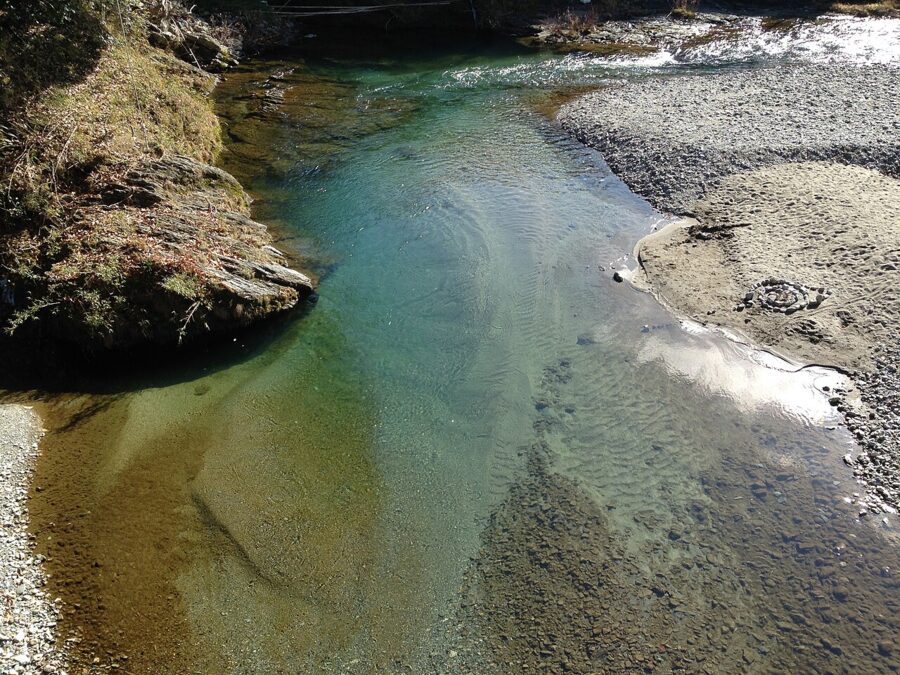
The rest of Kinokawa’s spots need a car, and they’re the wilder ones. The Makuni River (真国川) runs through the Tomobuchi (鞆渕) valley and past the Hosono Keiryū Campground (細野渓流キャンプ場) in Momoyama. On June 19, 2026, residents told the Wakayama Shimpo the Tomobuchi fireflies were at their peak along the river from about 8 pm and would stay that way into the following week.
The campground holds a firefly festival on a Saturday in June; in 2026 it was June 20 from 4 pm, with a singing show before dark. It’s about 30 minutes by car from Kishi Station. If you camp, the river runs right past your pitch.
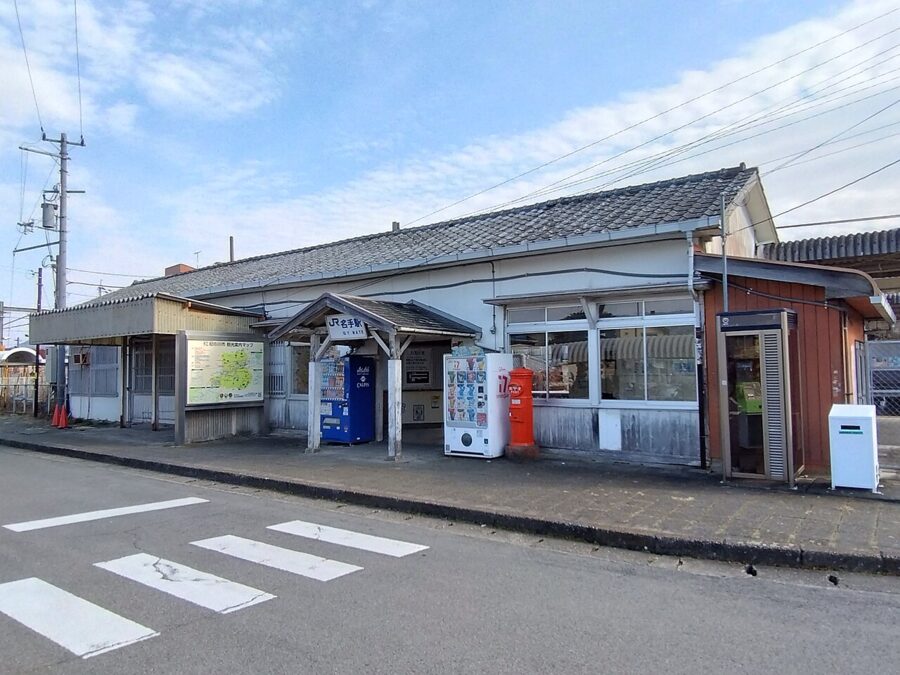
Egawanaka (江川中), on a small stream north of the Kinokawa, is the place to see Genji and Heike fireflies together. The city listed it for June 1 to 12 in 2026, from 7:30 to 9:00 pm. It’s about ten minutes by car from Nate Station on the JR Wakayama Line, and parking is tight.
Amano and Shiga, Katsuragi
The Amano (天野) and Shiga (志賀) districts of Katsuragi call themselves hotaru no sato (ほたるの里), the firefly village, and the Genji fireflies here breed naturally in the streams. The usual window is early to mid-June, on muggy nights with no wind or rain. In 2026 the Katsuragi Tourism Association reported fewer fireflies than usual, and by June 22 the peak was over.
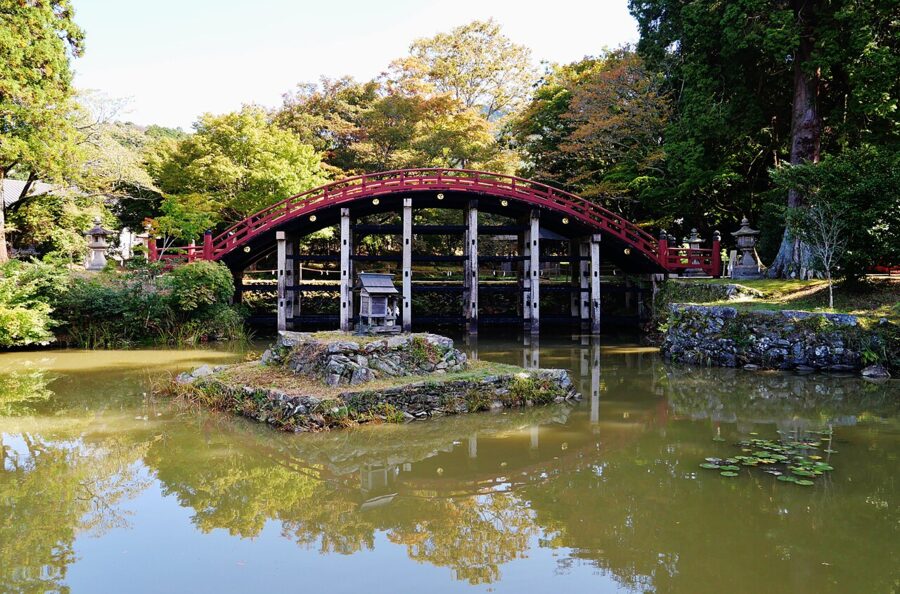
Amano is a high basin on the way up toward Koyasan, and its daytime draw is Niutsuhime Shrine (丹生都比売神社), part of the Kii Mountain Range World Heritage Site. Spend the afternoon at the shrine, eat early, and walk down to the streams once it’s dark. From Kaseda Station on the JR Wakayama Line it’s about 20 minutes by car.

The tourism association’s requests hold for every spot in the prefecture, so learn them here. Don’t catch fireflies. Take your rubbish home, keep car lights off near the water, don’t park for long or make noise by the houses that line the streams, and watch your footing on the dark roads.
Tamagawa-kyō and Kimitōge, Hashimoto
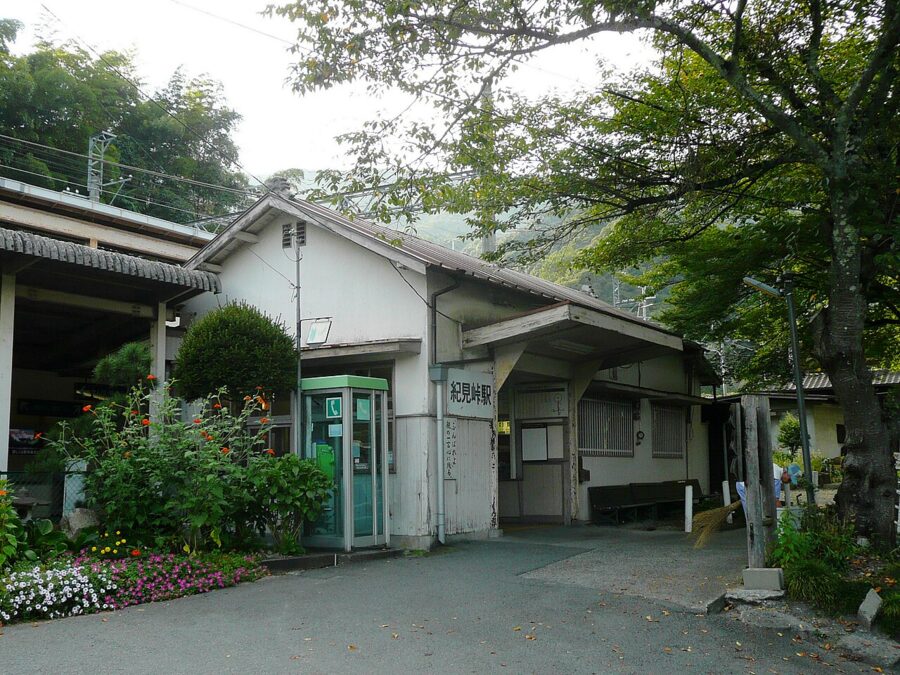
Two spots in the northeast suit anyone coming from Osaka on the Nankai Koya Line. Tamagawa-kyō (玉川峡), the gorge of the Nyū River between Hashimoto and Kudoyama, is a prefectural scenic spot that Hashimoto City lists for its summer fireflies. Near Kimitōge Station (紀見峠駅), on the Koya Line itself, a local group has spent about two decades breeding Genji fireflies in the small rivers around the village.
Ask the Hashimoto City tourist information office about the year’s timing before you go. The Kimitōge rivers have flooded badly twice and the fireflies have come back both times, but numbers from one year to the next are anyone’s guess.

Taguchi Sabo Park, Aridagawa
If you’re early in the season, go south. Taguchi Sabo Park (田口砂防公園) in Aridagawa is often one of the earliest in the prefecture, and in 2026 the Wakayama Prefecture Tourism Federation forecast its peak for May 15 to 19, earlier than usual. A volunteer group, the Taguchi-gawa Hotaru Yūyū Kurabu (田口川ホタル遊々倶楽部), raises the fireflies, and they fly best from 8 to 9 pm.
It’s a car trip: about 15 minutes from the Arida interchange, with a parking area and then a fair walk to the viewing points, so wear proper shoes. On busy nights volunteers direct traffic. Do what they say; the mountain road in is narrow.
Gengo, Takatsuo and Sōgawa, Hidakagawa
Hidakagawa has three firefly districts and the most useful update system in the prefecture: the town tourism association rates Gengo (玄子), Takatsuo-Hirose (高津尾 広瀬) and Sōgawa (寒川) with stars as the season goes on. Its 2026 notice gave mid-May to early June for the season, with fireflies out from a little after 7 pm until about 8:30.
Gengo is the easy one. The fireflies gather along the Nakatsu River (中津川) around Gengo Bridge, and on a Saturday in late May the town chamber of commerce’s youth group runs the Hotaru Kanshō no Yūbe (ホタル観賞の夕べ), a firefly evening with stalls, music and games; in 2026 it fell on May 30. Parking for about 50 cars opens at Gengo Hiroba on that night only. It’s about 10 minutes by car from JR Gobō Station, or 5 minutes from the Kawabe interchange.
Sōgawa, far up the valley, is the one I’d plan a trip around. On June 6, 2026, the Sōgawa Wonderful Night set about 4,000 bamboo candles around a thatched farmhouse, the rice fields and the grounds of Sōgawa Shrine, opened with the lion dance from the shrine’s autumn festival, and left the rest to the fireflies. It’s a long drive, so go by car, and fill the tank in Gobō.
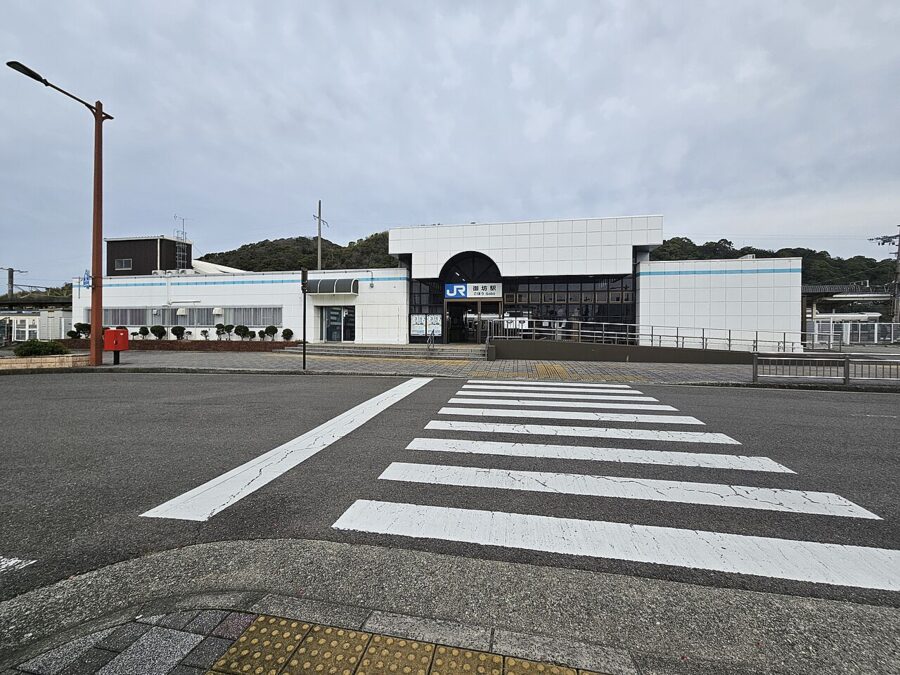

Nagano, Tanabe: the fireflies that came back
In September 2011 the Kii Peninsula flood nearly wiped out the Genji fireflies of the Hidari-Aizu River (左会津川) at Nagano (長野), in the hills above Tanabe. A local community group has spent the years since breeding and protecting them. In May 2026 its chairman told the Kii Minpo that they were finally flying along the main stream the way they used to.
The first two of 2026 were seen in late April, and about 20 were flying on May 8. Viewing usually runs from late May to mid-June. The group marks a route from the bridge by Nagano Elementary School and hangs about 70 handmade bamboo lanterns along it.
Buses run up the valley from JR Kii-Tanabe Station. Check the last one back before you commit, or plan on a taxi home.
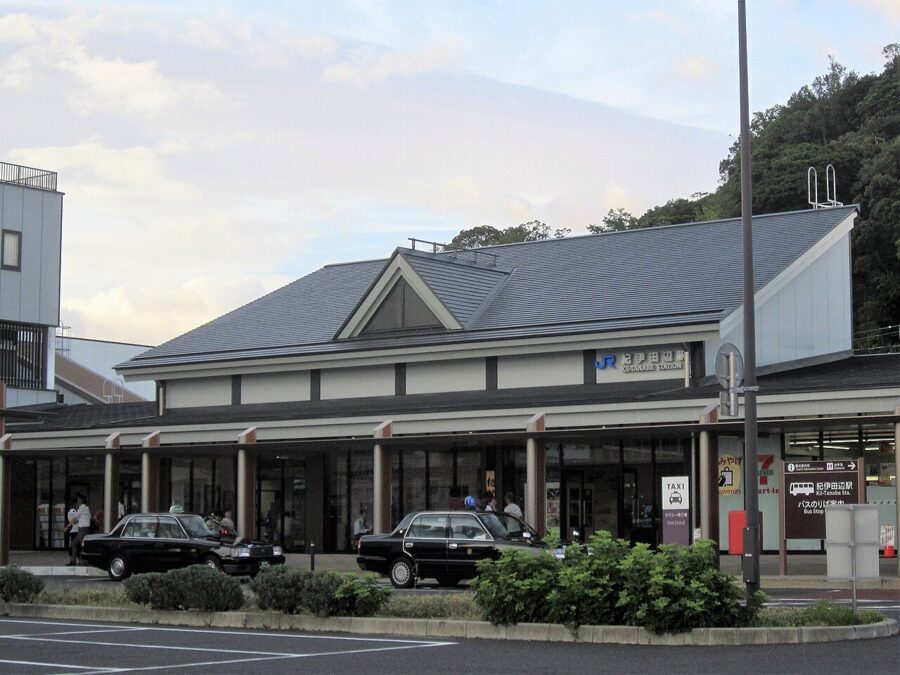

Ichinose, Kamitonda: fireflies on the Kumano Kodo
Ichinose (市ノ瀬) in Kamitonda sits on the Nakahechi route of the Kumano Kodo between Tanabe and Takijiri, and the small streams that feed the Tonda River (富田川) here have fireflies from late May into June, at their best around 8 pm. The prefecture’s guide puts them five minutes on foot from the Inabane-ōji (稲葉根王子) bus stop, served by Ryūjin and Meikō buses from Kii-Tanabe. Route 311 runs close by, so it’s an easy stop by car as well.
If you’re walking the Kodo, this is the firefly stop that fits the route. Stay in Tanabe, eat early, and come out for an hour after dark.
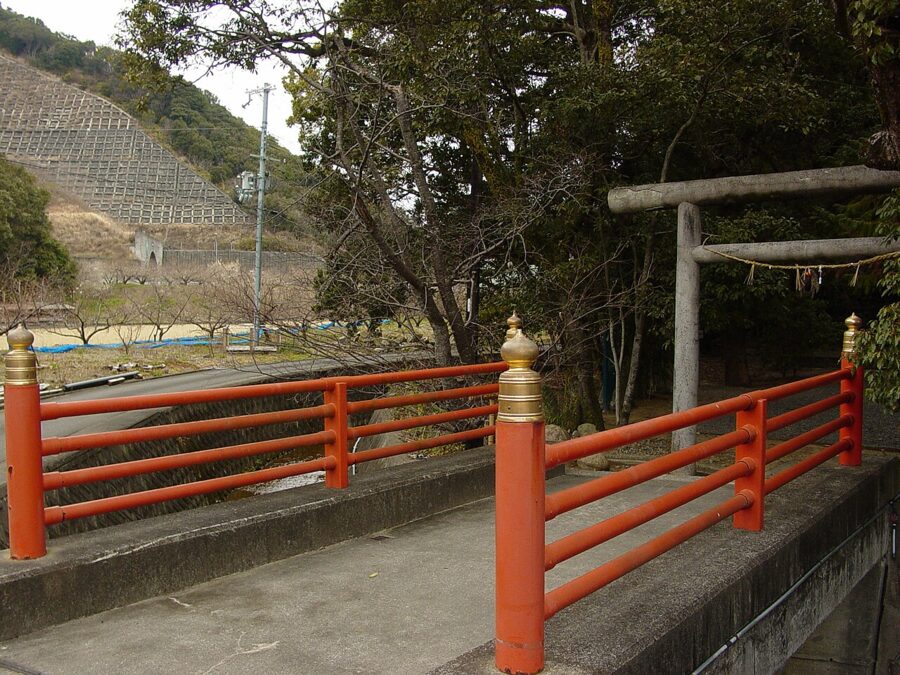

A few more for drivers
Hirogawa Dam (広川ダム), inland from Yuasa, has Genji fireflies from late May. Ryūjin, deep in the mountains east of Tanabe, has them in early to mid-June, and Shirahama has a spot on the Takase River around Sōdōji. Kimino, in the hills south of the Kishi River, peaked alongside Tomobuchi in late June 2026.
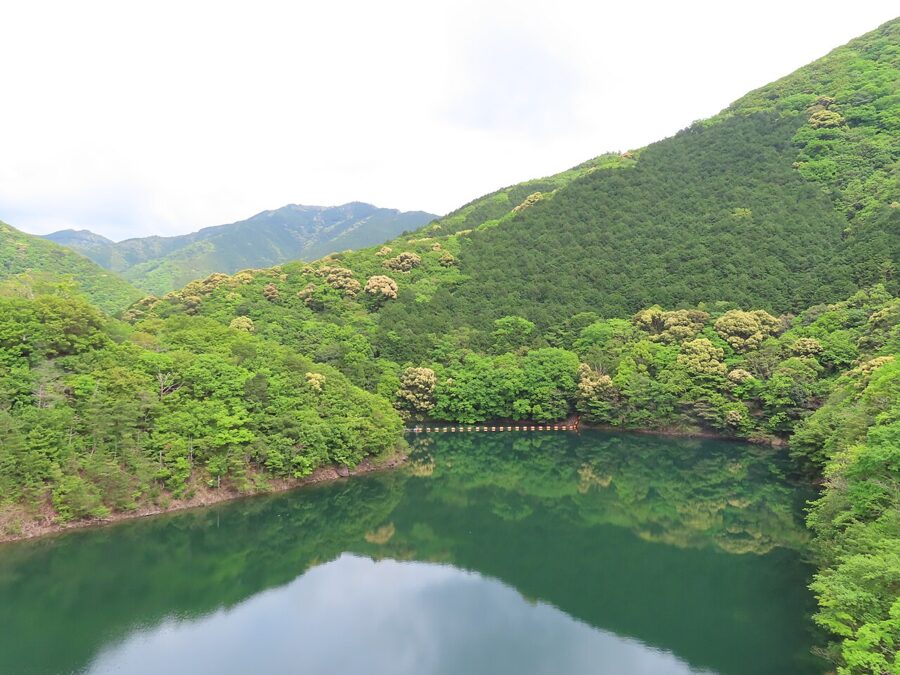

How to watch fireflies well
Arrive before dark and let your eyes adjust. Fireflies start around 7:30 or 8 pm, a little earlier in May, and at most spots the best hour is 8 to 9. Stand still, face the water, and give it ten minutes before deciding nothing’s there.
Light is the problem. A firefly’s flash is how it finds a mate, and a phone screen or a flashlight over the water drowns it out. Keep your phone in your pocket, use a dim light pointed at the ground only while you’re walking, and turn off your headlights as soon as you’ve parked. Never use a flash.
Pick your night if you can. Warm, humid and windless is ideal, and I’d take a cloudy night with no moon over a clear one. A day of rain followed by a still evening is the classic firefly night; heavy rain, wind or a cold snap can mean almost nothing flies.
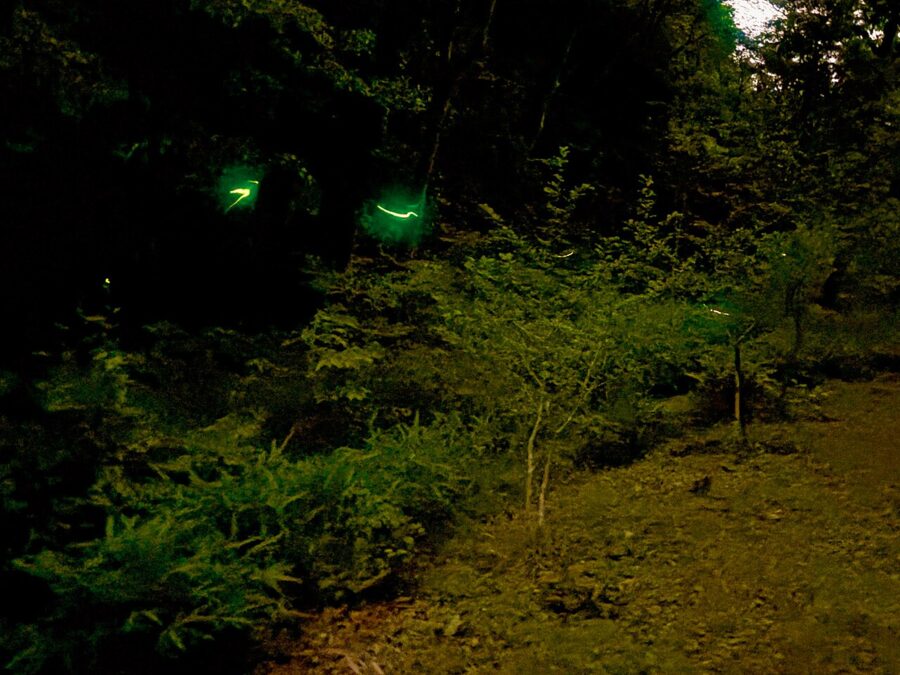

Stay on the paths and roads. The females sit in the grass on the bank, and next year’s fireflies pupate in that soil, so trampling the edge of the river costs you the following summer. Don’t catch them, even to look. Most of these spots are in front of somebody’s house, so keep your voice down and don’t block the lane.
Bring long sleeves and insect repellent. The mosquitoes like the same muggy nights the fireflies do.
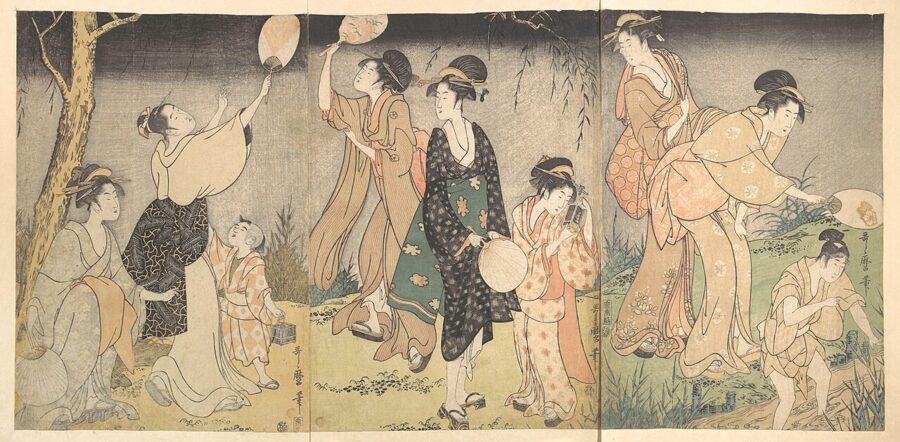
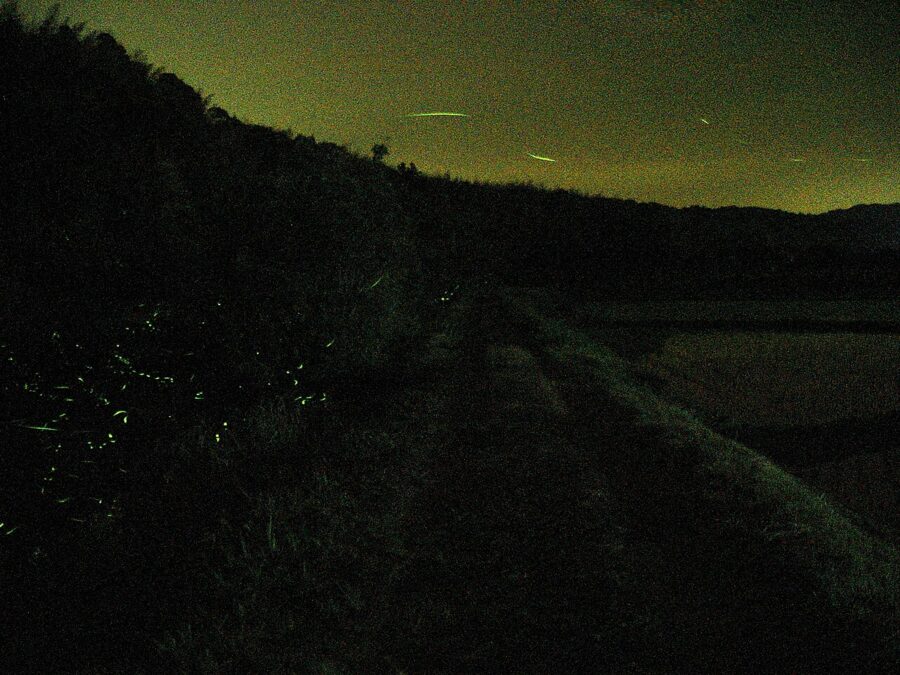
For photos, bring a tripod and shoot long exposures of 10 to 30 seconds at a wide aperture, then stack several frames if you want a dense picture. Set up while there’s still light, and turn off the camera’s screen and focus-assist lamp.
Getting there without a car
Fireflies live where buses don’t run at 9 pm, so be realistic. Kishibe no Sato is the only spot here with a station a short walk away and trains home afterward. Gengo, Nagano and Ichinose have a station or bus stop within reach, but you’ll probably need a taxi for one leg.
| Spot | Nearest station or stop | Then |
|---|---|---|
| Kishibe no Sato | Kishi (Kishigawa Line) | About 10 minutes on foot |
| Egawanaka | Nate (JR Wakayama Line) | About 10 minutes by car |
| Amano and Shiga | Kaseda (JR Wakayama Line) | About 20 minutes by car |
| Gengo | Gobō (JR Kisei Line) | About 10 minutes by car |
| Nagano | Kii-Tanabe (JR Kisei Line) | Bus up the valley, or taxi |
| Ichinose | Inabane-ōji bus stop | About 5 minutes on foot |
| Taguchi, Hosono, Tomobuchi, Sōgawa | None practical | Car |
From Osaka, JR rapid trains on the Hanwa Line reach Wakayama in about an hour from Tennoji, and the Kuroshio limited express runs from Shin-Osaka down the coast to Gobō and Kii-Tanabe. The Japan Rail Pass covers those JR trains but not the Kishigawa Line or the Nankai Koya Line. If you rent a car, pick it up in Wakayama or Tanabe, and remember you’ll be driving narrow valley roads in the dark.

Where to stay
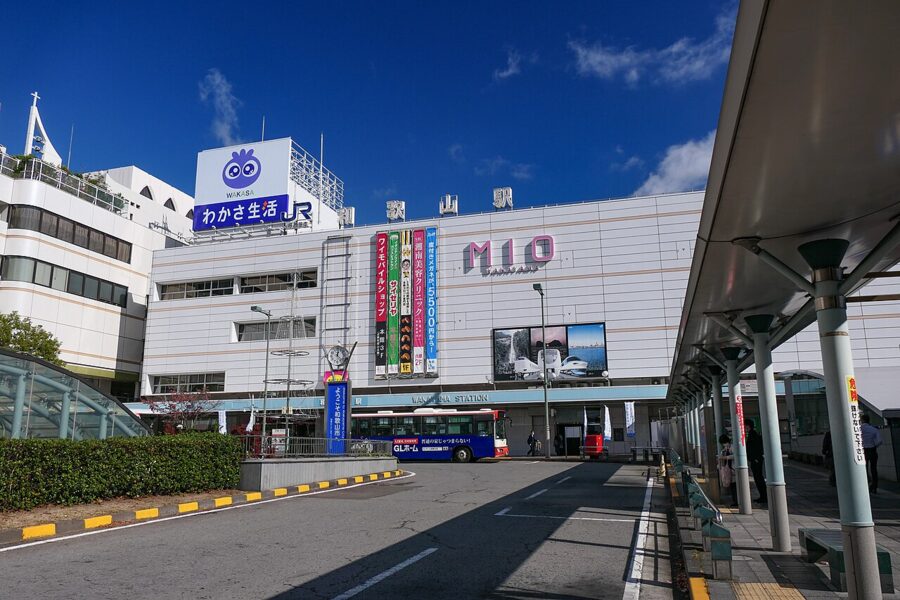
Base yourself where the trains are. For Kishibe no Sato and the Kinokawa rivers, stay near JR Wakayama Station: it has plenty of hotels and the Kishigawa Line platform under the same roof. For Katsuragi and Hashimoto, Wakayama works too, and Hashimoto puts you closer.
For Hidakagawa and Aridagawa, Gobō is the nearest town on the main line. For Nagano and Ichinose, stay in Tanabe, or at the hot springs of Shirahama a short ride farther south, and you can pair the fireflies with the Kumano Kodo the next day.
What else is in season
Firefly season is also ume season, rainy season and the start of peach season in Wakayama. You can build a few good days around all of it.
Ume in Minabe and Tanabe
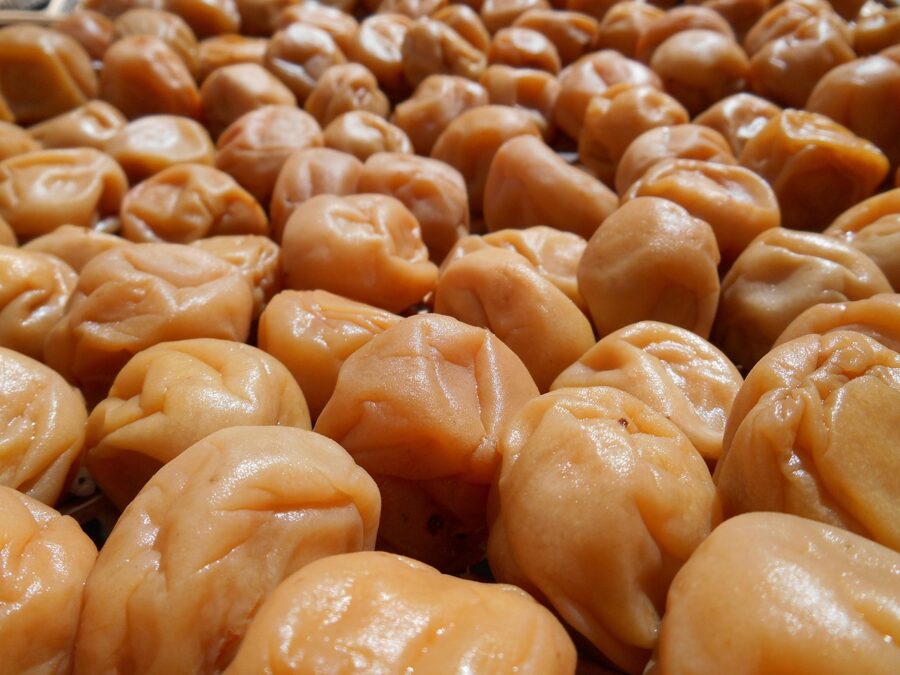
Wakayama grows more ume (梅), the Japanese apricot sold as “plum”, than anywhere else in Japan, and Minabe and Tanabe are the center of it: the Minabe-Tanabe Ume System, farmed for about 400 years, is recognized as a Globally Important Agricultural Heritage System. Green ume for umeshu liqueur are hand-picked from late May to mid-June. The Nankō ume for umeboshi, salted dried ume, are left to ripen and fall in late June.
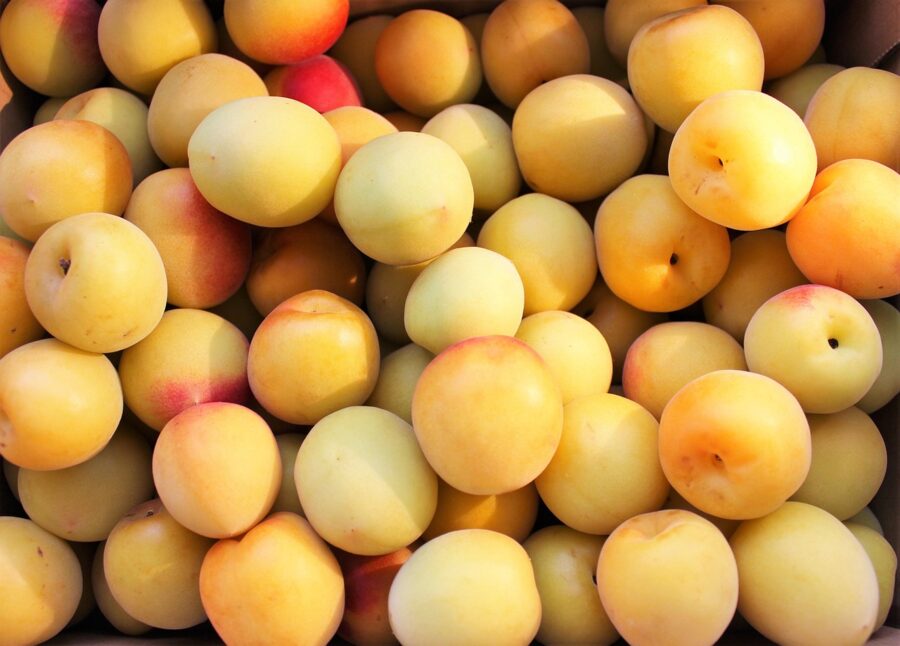
In 2026 the harvest in southern Wakayama peaked around June 5, with a small crop of large, good fruit after a warm winter. By the end of July the salted ume were out drying in the sun around Tanabe and Minabe. A jar of umeboshi from the town where it was made is the best thing to carry home from a firefly trip south.
Peaches in Momoyama
Momoyama, the district the Hosono campground sits in, means “peach mountain”, and its Arakawa peaches (あら川の桃) start in late June with the early varieties, with the main white peaches in July. A late-June night on the Makuni River can end with peaches from a roadside stall the next morning.
Nachi in the rain
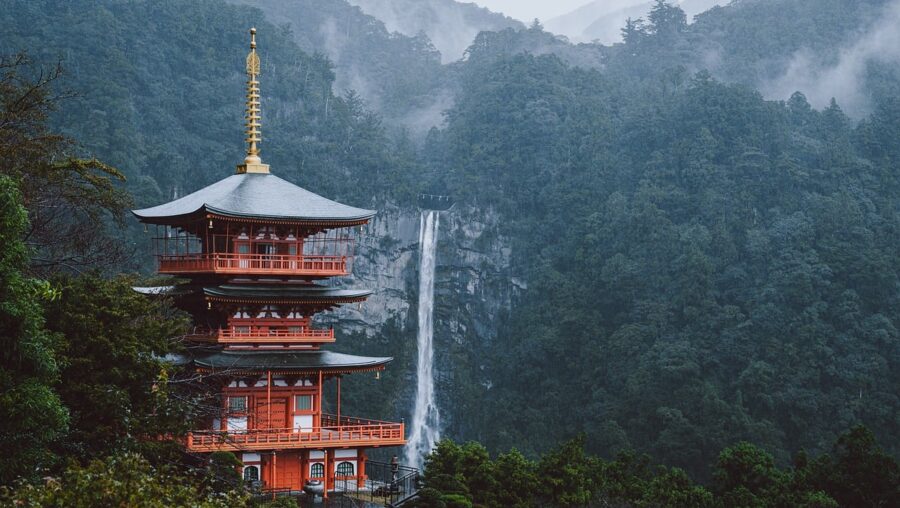
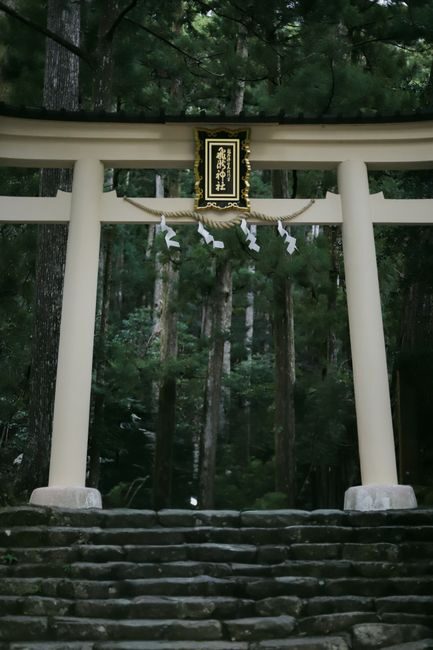
The rainy season is when Nachi Falls runs fullest and the moss on the old stone steps is greenest, and the hydrangeas at Kumano Nachi Taisha bloom in June. It’s a long way south of most firefly spots, so treat it as its own day, from Kii-Katsuura.
Ukui, just north of Nachi, has an evening walk that pairs well with fireflies: a nature school’s tour to see shiinotomoshibitake (シイノトモシビタケ), a tiny mushroom that glows green on dead chinquapin wood in the rainy season. In 2026 it ran on Saturdays from May 9 to June 27 and again in September, from 7:30 to 8:30 pm, for ¥500 (about $3) per adult, with 20 places a night. Book ahead with the Ukui Umi to Mori no Shizenjuku (宇久井海と森の自然塾); the meeting point is the old ferry terminal, about 20 minutes on foot from JR Ukui Station.

Dinner before the river
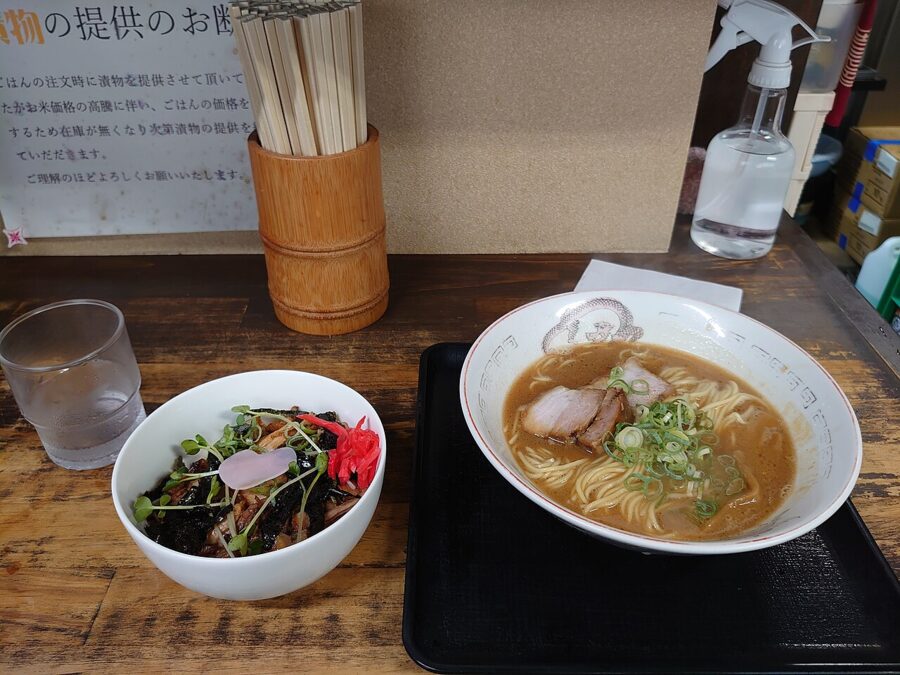
Wakayama’s own ramen, a pork-bone and soy broth that locals call simply chūka soba (中華そば), is the dinner to eat before a night at the river. Many shops keep hayazushi (早すし), pressed mackerel sushi, on the counter to eat while you wait, and you tell them how many you took when you pay. Eat at six, and be at the water by half past seven.
Then walk down to the bank before eight and put the phone away. Wait for the first green light to come on over the water.